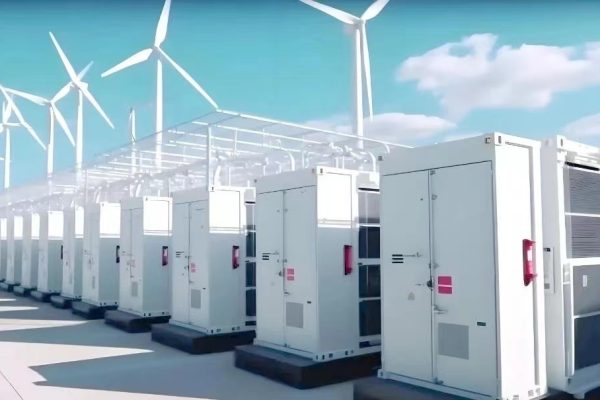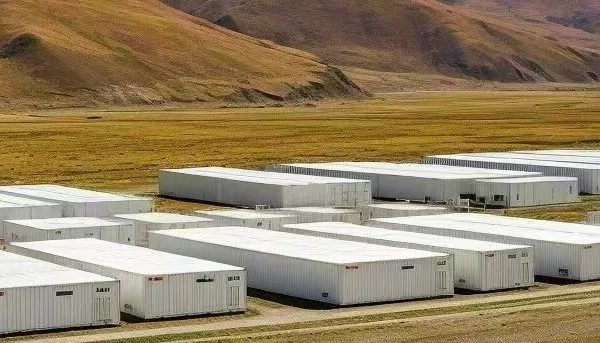
As renewable energy deployment accelerates worldwide, energy storage systems have become essential for ensuring grid stability, energy reliability, and efficient renewable utilization. Solar and wind power are inherently intermittent, meaning energy generation does not always align with electricity demand. Energy storage bridges this gap by storing excess renewable energy and delivering it when needed.
Today, energy storage is no longer just a supporting technology—it is becoming a core component of modern renewable energy infrastructure.
Why Energy Storage Is Critical for Renewable Energy
Renewable energy sources such as solar and wind are highly dependent on environmental conditions:
- Solar power varies with sunlight availability
- Wind power fluctuates based on weather patterns
Without energy storage:
- Excess energy may be wasted
- Grid instability may increase
- Renewable curtailment becomes more common
Energy storage solves these challenges by balancing generation and demand in real time.
Key Functions of Energy Storage in Renewable Systems
1. Energy Time Shifting
Store renewable energy when generation is high and release it during peak demand periods.
Example:
- Solar energy stored during the day
- Discharged during evening peak hours
2. Grid Stabilization
Energy storage helps maintain:
- Frequency stability
- Voltage regulation
- Power quality
This is especially important in grids with high renewable penetration.
3. Peak Shaving and Load Balancing
Storage systems reduce peak electricity demand by:
- Supplying stored power during high-load periods
- Lowering stress on grid infrastructure
4. Renewable Energy Smoothing
Rapid renewable fluctuations can destabilize grids.
Energy storage smooths:
- Solar intermittency caused by cloud cover
- Wind generation variability
5. Backup Power and Resilience
Storage systems provide:
- Emergency backup power
- Microgrid support
- Energy security during outages
Core Components of Renewable Energy Storage Systems
1. Battery Storage System
The central energy storage component:
- Battery cells and modules
- Battery racks and packs
- High-voltage systems
Common battery technologies:
- LFP (Lithium Iron Phosphate)
- NMC (Nickel Manganese Cobalt)
- Sodium-ion batteries (emerging)
2. Power Conversion System (PCS)
The PCS manages:
- DC ↔ AC conversion
- Grid synchronization
- Charging/discharging control
It connects renewable generation, storage, and the utility grid.
3. Battery Management System (BMS)
The BMS ensures:
- Cell monitoring and balancing
- Thermal management coordination
- Safety protection and diagnostics
4. Energy Management System (EMS)
The EMS optimizes:
- Renewable dispatch strategies
- Energy flow and storage scheduling
- Grid interaction and demand response
5. Thermal Management System
Thermal control maintains:
- Battery performance
- Safety and lifecycle stability
- Uniform operating temperatures
Cooling solutions may include:
- Air cooling
- Liquid cooling
- Hybrid thermal systems
Typical Renewable + Storage Configurations
Solar + Battery Storage
The most common renewable storage configuration.
Applications:
- Residential solar systems
- Commercial energy management
- Utility-scale solar farms
Wind + Energy Storage
Storage compensates for:
- Wind speed variability
- Frequency fluctuations
Used in:
- Offshore wind projects
- Grid-scale renewable integration
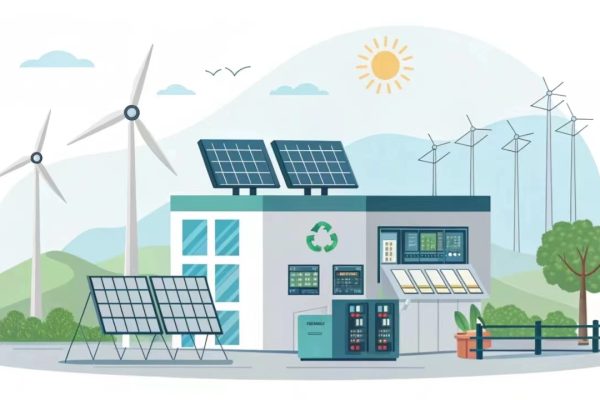
Hybrid Renewable Systems
Combining:
- Solar
- Wind
- Battery storage
- EMS optimization
These systems improve overall energy reliability and utilization.
Key Design Considerations
System Scalability
Energy storage systems must support:
- Future expansion
- Increasing renewable penetration
- Flexible deployment
Thermal and Safety Design
Large-scale storage requires:
- Thermal runaway prevention
- Fire suppression systems
- Environmental protection
Communication and Grid Integration
Renewable storage systems rely on:
- Real-time monitoring
- Smart grid communication
- Remote diagnostics and control
Lifecycle and Reliability
System design must consider:
- Battery degradation
- Cycling performance
- Long-term operational stability
Challenges in Renewable Energy Integration
Intermittent Power Generation
Renewables produce variable output depending on weather conditions.
Grid Infrastructure Limitations
Traditional grids were not designed for decentralized renewable systems.
Thermal and Safety Risks
High-density battery systems require advanced safety architecture.
Cost Optimization
Balancing performance, lifecycle, and economic return remains critical.
Emerging Trends
1. Grid-Scale Battery Storage Expansion
Large utility-scale ESS deployments are increasing rapidly.
2. AI-Based Energy Optimization
Smart EMS platforms optimize renewable dispatch and battery usage.
3. Hybrid Energy Systems
Integration of:
- Solar
- Wind
- Battery storage
- Hydrogen systems
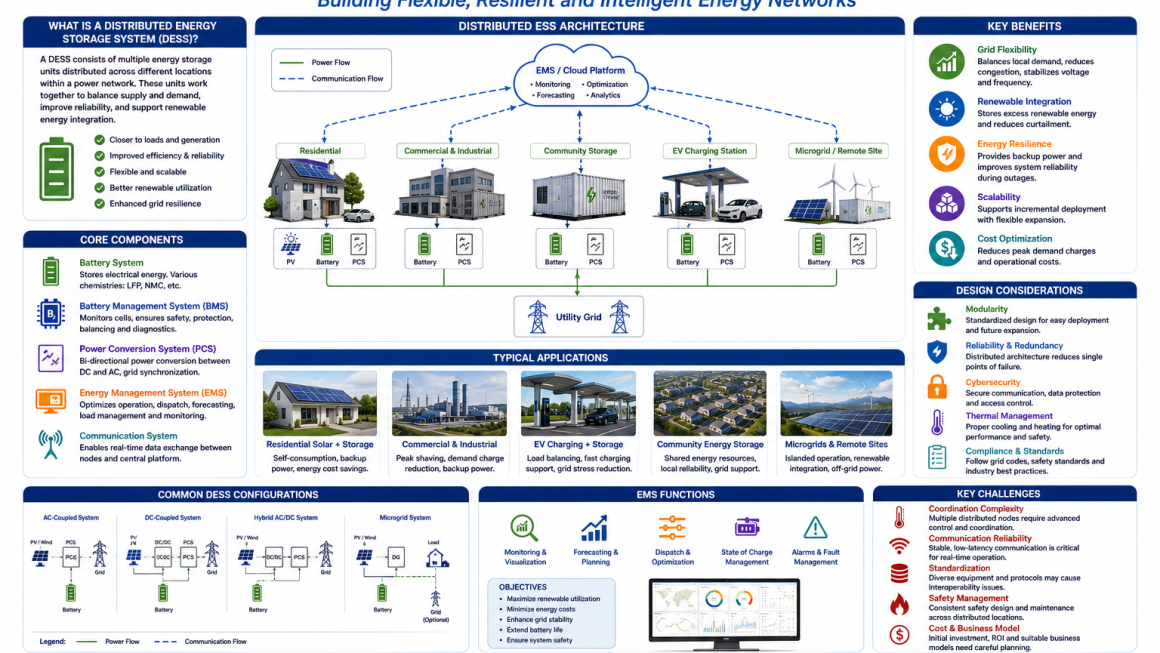
4. Distributed Renewable Storage
Decentralized storage improves local grid resilience and flexibility.
5. High-Voltage ESS Architectures
Higher efficiency and reduced transmission losses.
Applications
- Utility-scale renewable plants
- Commercial & industrial energy systems
- Residential solar + storage
- Microgrids and remote communities
- EV charging infrastructure
- Smart grid systems
Best Practices
- Integrate storage planning early in renewable projects
- Prioritize thermal and safety architecture
- Use scalable and modular ESS design
- Optimize EMS for renewable forecasting and dispatch
- Validate systems through pilot and real-world testing
Energy storage is a foundational technology for enabling large-scale renewable energy integration. By stabilizing intermittent generation, improving grid reliability, and optimizing energy utilization, modern storage systems make renewable energy more practical, flexible, and scalable.
As the global transition toward clean energy accelerates, the integration of renewable generation and advanced energy storage will become one of the most important pillars of future energy infrastructure.