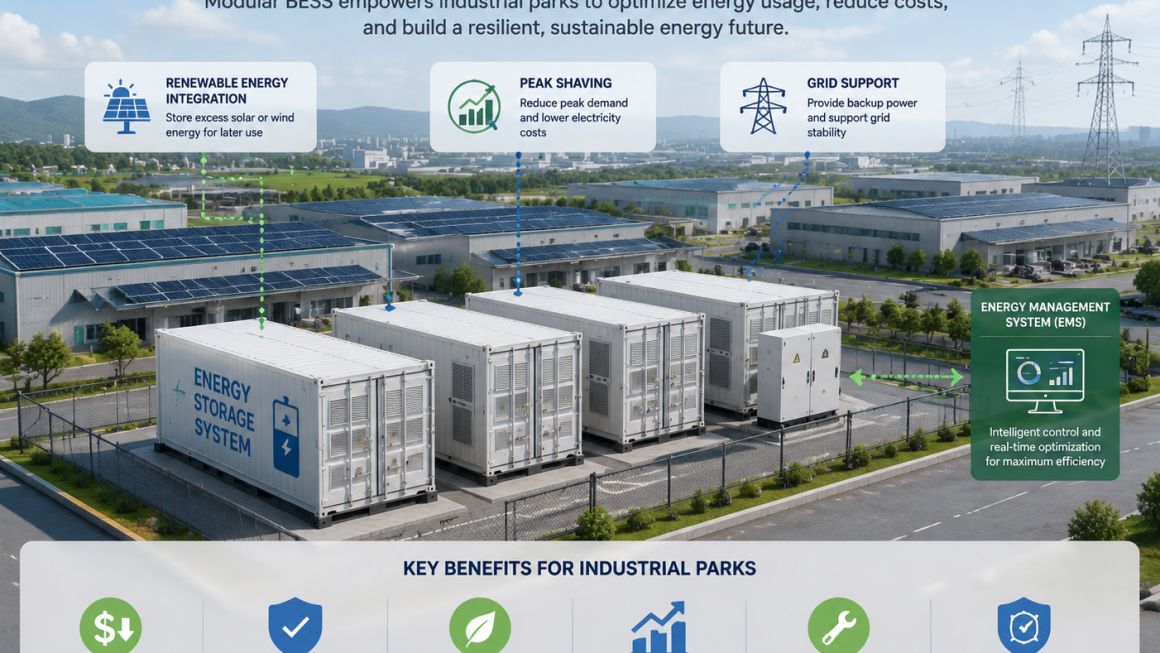
Why Industrial Parks Need Greater Energy Flexibility
Industrial parks are becoming increasingly complex energy ecosystems.
With the growth of manufacturing, automation, electric vehicles, and renewable energy integration, industrial facilities face new challenges:
- Rising electricity costs
- Peak demand charges
- Grid instability
- Renewable energy fluctuations
- Increasing requirements for energy efficiency
Traditional energy systems are often designed for stable and predictable consumption. However, modern industrial parks require a more flexible approach that can adapt to changing energy demand.
This is where modular energy storage systems provide a powerful solution.
What Is Energy Flexibility?
Energy flexibility refers to the ability of an energy system to adjust when and how electricity is consumed, stored, or delivered.
For industrial parks, flexibility means being able to:
- Store electricity when energy is inexpensive
- Reduce grid demand during peak periods
- Absorb renewable energy fluctuations
- Provide backup power during interruptions
- Optimize energy usage based on operational requirements
Energy storage becomes a key tool for transforming industrial facilities from passive energy consumers into active energy managers.
Why Modular Energy Storage Is Suitable for Industrial Parks
Unlike traditional fixed-capacity systems, modular energy storage allows capacity to grow according to actual demand.
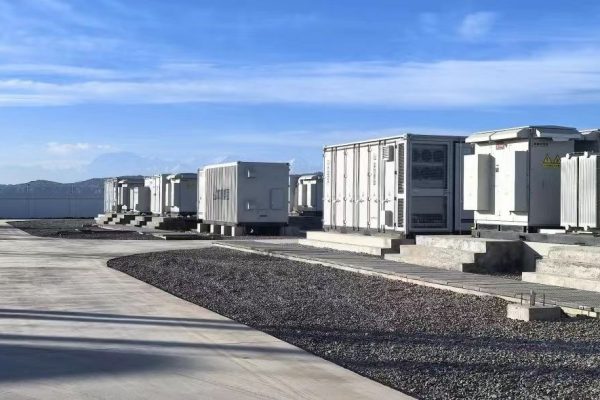
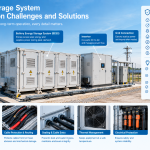
A modular BESS typically consists of:
- Battery modules
- Power conversion systems (PCS)
- Energy management systems (EMS)
- Thermal management systems
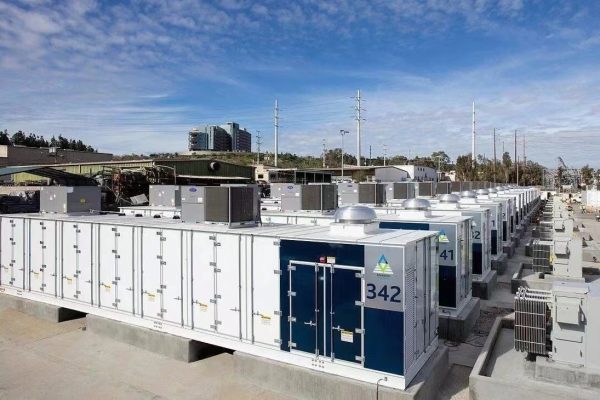
- Modular cabinets or containers
Each unit can operate independently while being integrated into a larger energy network.
Advantages of Modular Energy Storage
1. Scalable Capacity Expansion
Industrial energy demand changes over time.
A modular system allows companies to:
- Start with smaller capacity
- Expand storage as production grows
- Avoid excessive initial investment
This reduces financial risk while maintaining future flexibility.
2. Flexible Installation
Modular systems can be deployed in different environments:
- Factory sites
- Industrial campuses
- Renewable energy facilities
- Remote production areas
Containerized and cabinet-based designs simplify installation and commissioning.
3. Easier Maintenance and Upgrades
Compared with large centralized systems, modular architectures provide:
- Easier troubleshooting
- Individual module replacement
- Reduced downtime
- Simplified expansion
This improves long-term operational reliability.
How Modular BESS Improves Industrial Energy Management
Peak Shaving
Electricity prices in many regions vary depending on demand.
During peak periods, industrial parks can use stored energy instead of drawing additional power from the grid.
Benefits include:
- Lower demand charges
- Reduced electricity costs
- Improved grid interaction
Renewable Energy Integration
Many industrial parks are installing:
- Rooftop solar systems
- Wind generation
- Local renewable energy assets
However, renewable energy output is naturally variable.
Modular energy storage helps:
- Store excess solar energy
- Smooth renewable fluctuations
- Increase renewable energy utilization
Backup Power and Energy Resilience
Power interruptions can cause significant losses in industrial production.
Energy storage provides:
- Emergency power support
- Critical equipment protection
- Improved production continuity
This is particularly valuable for industries requiring stable electricity supply.
Demand Response Participation
With intelligent energy management, industrial parks can participate in grid flexibility programs.
Energy storage can respond to:
- Grid demand signals
- Electricity price changes
- Renewable generation conditions
This creates additional economic value from stored energy.
The Role of EMS in Modular Energy Storage
Hardware alone cannot achieve energy flexibility.
An intelligent Energy Management System (EMS) coordinates:
- Battery charging and discharging
- Renewable energy generation
- Factory consumption patterns
- Grid interaction
The EMS continuously analyzes:
- Energy prices
- Production schedules
- Weather conditions
- Battery status
to determine the optimal operating strategy.
Thermal and Environmental Protection for Industrial BESS
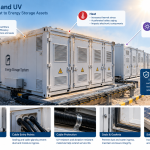
Industrial environments often present additional challenges:
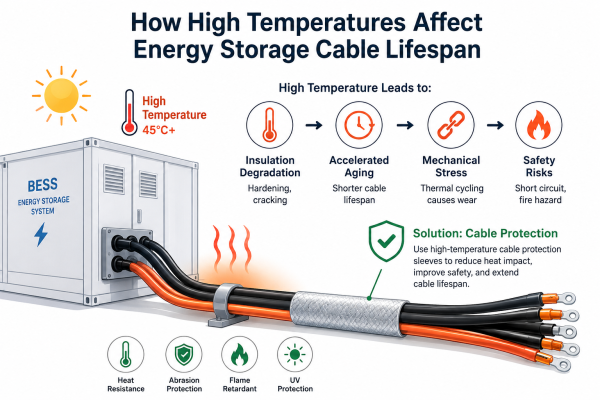
- High temperatures
- Dust exposure
- Humidity
- Salt spray near coastal factories
- Mechanical stress
Therefore, modular energy storage systems require:
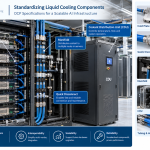
- Thermal management solutions
- Protective enclosures
- Cable protection systems
- Corrosion-resistant materials
- Reliable cooling designs
Environmental protection directly influences system lifespan and reliability.
Modular Energy Storage and Future Industrial Energy Systems
Future industrial parks will increasingly combine:
- Renewable generation
- Energy storage
- Smart energy management
- Electrified transportation
- Flexible manufacturing
Modular BESS will serve as an important infrastructure layer that enables these systems to operate efficiently.
Instead of simply supplying electricity, industrial parks will become intelligent energy ecosystems capable of managing energy dynamically.
Modular energy storage provides industrial parks with a flexible, scalable, and reliable approach to modern energy management.
By enabling peak shaving, renewable integration, backup power, and demand response, modular BESS helps industrial facilities reduce costs and improve energy resilience.
As industrial energy systems continue to evolve, flexibility will become a critical requirement. Modular energy storage will play an increasingly important role in creating efficient, sustainable, and adaptable industrial energy infrastructure.