Why Thermal Management Has Become Critical in Energy Storage Systems
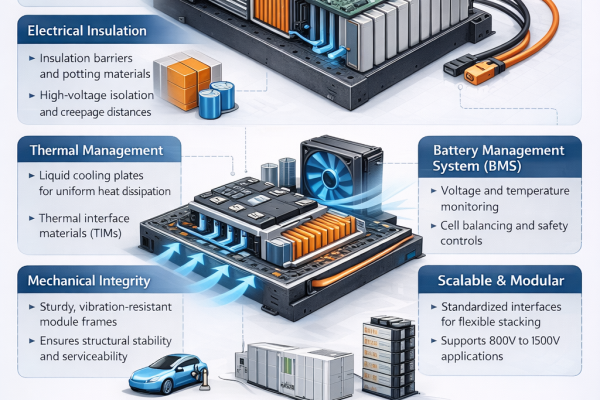
As Battery Energy Storage Systems (ESS) continue to increase in capacity and power density, thermal management has become one of the most important factors affecting system performance.
During charging and discharging cycles, battery cells generate heat due to internal resistance and electrochemical reactions. If this heat cannot be removed efficiently, it may lead to:
- Reduced battery efficiency
- Faster capacity degradation
- Increased cooling energy consumption
- Uneven temperature distribution
- Reduced system lifespan
For high-performance ESS applications, traditional air cooling is often no longer sufficient. This has accelerated the adoption of liquid cooling plates as an advanced thermal management solution.
What Is a Liquid Cooling Plate?
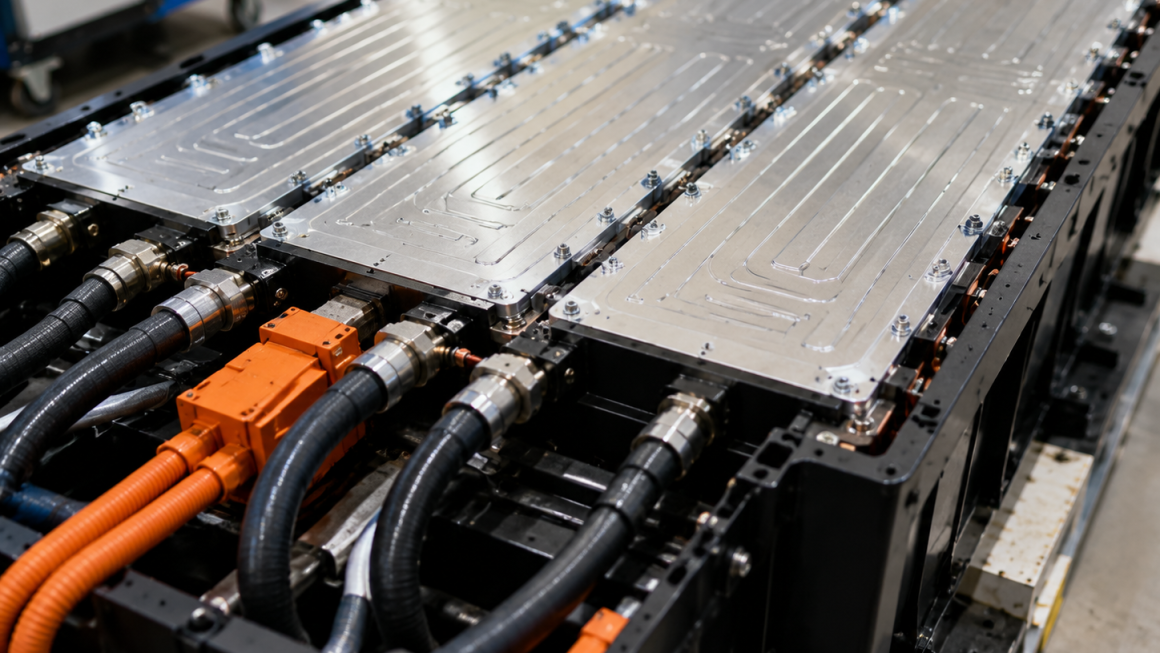
A liquid cooling plate is a thermal management component that transfers heat away from battery cells or power electronics through circulating coolant.
The typical structure includes:
- Metal plate body
- Internal cooling channels
- Coolant inlet and outlet ports
- Thermal interface layer
- Connection fittings
During operation, coolant flows through the internal channels and absorbs heat from the battery surface, maintaining a more stable temperature.
Why Liquid Cooling Plates Improve ESS Efficiency
1. More Uniform Temperature Control
One of the biggest advantages of liquid cooling plates is improved temperature consistency.
Battery modules contain multiple cells that may experience different thermal conditions.
Without effective cooling, some areas may become hotter than others, causing:
- Uneven aging
- Reduced usable capacity
- Increased safety risks
Liquid cooling plates provide direct thermal contact and help maintain a more balanced temperature distribution.
2. Higher Heat Transfer Efficiency
Compared with air cooling, liquid cooling provides significantly better heat transfer capability.
Liquid coolant has higher thermal conductivity and heat capacity compared with air, allowing the system to remove more heat from compact spaces.
This is especially important for:
- High-power ESS
- Fast charging applications
- Large-scale battery containers
3. Reduced Cooling Energy Consumption
Efficient heat removal means cooling systems do not need to operate as aggressively.
Benefits include:
- Lower auxiliary power consumption
- Improved overall round-trip efficiency
- Reduced operating costs
A more efficient cooling system directly contributes to better ESS economics.
4. Supports Higher Energy Density Designs
As ESS systems become more compact, available cooling space becomes limited.
Liquid cooling plates allow:
- Smaller installation footprint
- Higher battery packing density
- Better thermal control within compact modules
This enables manufacturers to design more powerful energy storage systems.
Liquid Cooling Plate Applications in ESS
Battery Modules
Liquid cooling plates are commonly integrated beneath or between battery cells.
They help control:
- Cell temperature
- Temperature difference between cells
- Charging and discharging heat
Battery Packs
At pack level, cooling plates support:
- Thermal balance
- Module protection
- Long-term reliability
Power Electronics
Besides batteries, liquid cooling plates are also used for:
- PCS systems
- Inverters
- High-power semiconductor devices
These components generate significant heat during operation.
Common Materials for Liquid Cooling Plates
Material selection is critical because cooling plates must balance:
- Thermal conductivity
- Weight
- Corrosion resistance
- Manufacturing cost
Aluminum Cooling Plates
Aluminum is one of the most widely used materials.
Advantages:
- Lightweight
- Good thermal conductivity
- Excellent manufacturability
- Corrosion resistance with proper treatment
Common applications:
- Battery packs
- EV systems
- ESS modules
- Data center cooling systems
Copper Cooling Plates
Copper provides excellent thermal conductivity.
Advantages:
- Superior heat transfer performance
- Suitable for high thermal loads
Limitations:
- Higher density
- Higher material cost
- Greater weight
Stainless Steel Cooling Plates
Advantages:
- Excellent corrosion resistance
- High mechanical strength
Applications:
- Harsh environments
- Specialized cooling systems
Manufacturing Technologies for Liquid Cooling Plates
Different applications require different manufacturing approaches.
Extruded Aluminum Cooling Plates
Advantages:
- Cost-effective
- Suitable for large-scale production
- Good structural strength
Vacuum Brazed Cooling Plates
Advantages:
- Complex internal channels
- High reliability
- Excellent thermal performance
CNC Machined Cooling Plates
Advantages:
- High precision
- Suitable for prototypes and specialized systems
Design Challenges of Liquid Cooling Plates
Although liquid cooling provides significant benefits, several engineering challenges remain.
Preventing Leakage
Cooling plates require:
- Reliable sealing
- High-quality welding or brazing
- Durable connection designs
Managing Corrosion
Coolant compatibility must be carefully considered.
Potential issues include:
- Galvanic corrosion
- Coolant contamination
- Material degradation
Proper material selection and protective coatings are essential.
Balancing Flow and Pressure
Channel design must optimize:
- Heat transfer
- Coolant flow rate
- Pressure drop
Poor design may reduce cooling efficiency.
Integration with Quick Disconnects and Fluid Loops
Liquid cooling plates are part of a complete cooling ecosystem.
Other critical components include:
- Quick disconnect couplings
- Manifolds
- Pumps
- Heat exchangers
- Cooling hoses
The reliability of the entire fluid loop depends on proper integration between these components.
Future Trends in ESS Liquid Cooling
As energy storage systems become more powerful, liquid cooling technology continues to evolve.
Future developments include:
- Lightweight aluminum cooling structures
- Advanced micro-channel designs
- Smart temperature monitoring
- Integrated cooling and structural components
- Improved corrosion-resistant coatings
Liquid cooling plates will continue to play a central role in next-generation high-density ESS systems.
Liquid cooling plates improve ESS efficiency by providing precise, uniform, and highly effective thermal management.
Compared with traditional air cooling, liquid cooling enables higher energy density, lower cooling energy consumption, and improved battery reliability.
Through optimized materials, advanced manufacturing, and reliable fluid loop integration, liquid cooling plates are becoming a key technology for modern energy storage systems.
As ESS applications continue expanding into grid storage, renewable integration, and industrial energy management, efficient thermal control will remain essential for achieving long-term performance and reliability.