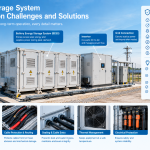
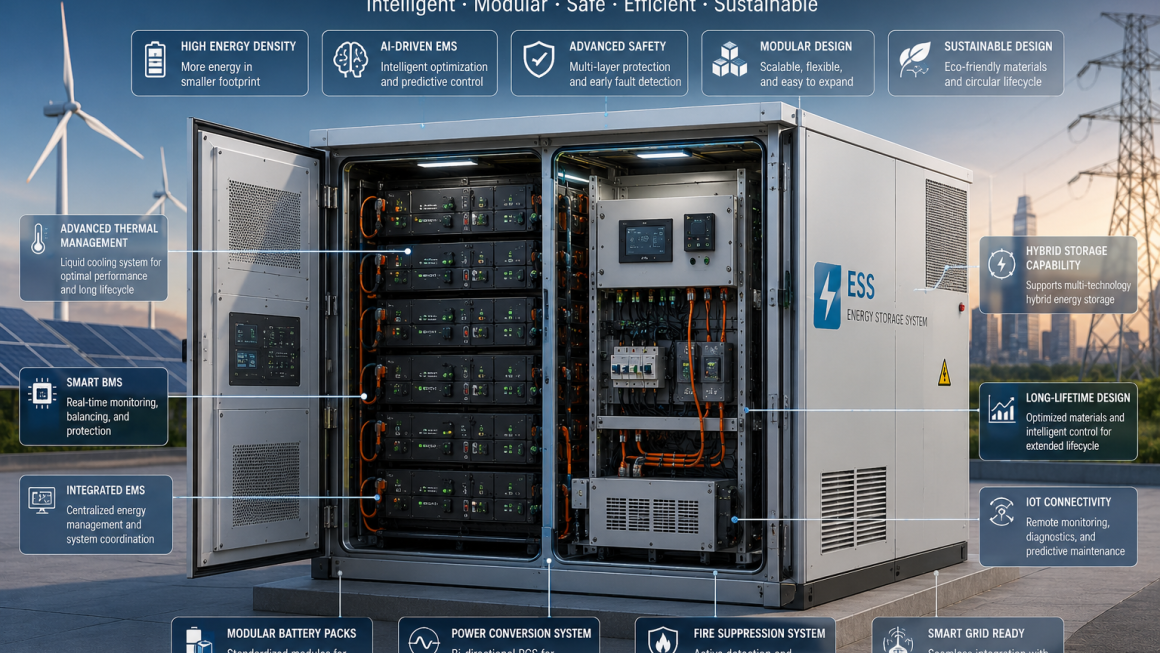
As global electrification accelerates and renewable energy adoption continues to grow, energy storage systems (ESS) are evolving rapidly beyond traditional battery installations. Future ESS design is increasingly focused on higher energy density, intelligent energy management, advanced safety architecture, modular scalability, and seamless integration with smart grids and renewable ecosystems.
The next generation of energy storage systems will play a central role in enabling resilient, decentralized, and low-carbon energy networks worldwide.
Why Energy Storage System Design Is Evolving
Modern energy infrastructure faces several major challenges:
- Rapid renewable energy expansion
- Increasing EV charging demand
- Grid instability and decentralization
- Urban space limitations
- Rising power density requirements
- Demand for longer battery lifespan and higher safety
To address these challenges, ESS design is shifting toward smarter, more integrated, and more flexible architectures.
Key Drivers Shaping Future ESS Design
Renewable Energy Integration
As solar and wind penetration increases, ESS must support:
- Intermittent renewable balancing
- Grid stabilization
- Long-duration energy shifting
Electrification and EV Infrastructure
The rise of electric mobility creates:
- High charging power demand
- Distributed energy storage requirements
- Vehicle-to-grid (V2G) opportunities
Decentralized Energy Systems
Energy networks are moving from centralized power generation toward:
- Microgrids
- Distributed energy storage
- Virtual power plants (VPP)
Smart Grid Development
Future ESS must support:
- Real-time grid communication
- AI-driven optimization
- Dynamic energy dispatch
Major Future Trends in ESS Design
1. High-Energy-Density Systems
Future ESS platforms will focus on:
- More energy within smaller footprints
- Compact modular designs
- Improved volumetric and gravimetric energy density
This is especially important for:
- Urban energy storage
- EV charging infrastructure
- Commercial and industrial systems
2. Advanced Thermal Management
As power density increases, thermal management becomes more critical.
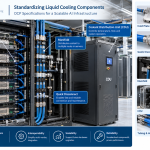
Future cooling technologies include:
- Liquid cooling systems
- Immersion cooling
- AI-controlled thermal balancing
- Advanced heat spreader materials
Improved thermal design enhances:
- Safety
- Battery lifespan
- Fast charging capability
3. AI-Driven Energy Management Systems (EMS)
Future EMS platforms will increasingly use:
- Machine learning
- Predictive analytics
- Real-time optimization algorithms
AI-enabled systems can:
- Forecast energy demand
- Optimize charging/discharging cycles
- Predict maintenance requirements
- Improve system efficiency
4. Modular and Scalable Architecture
Future ESS design emphasizes:
- Plug-and-play modularity
- Flexible system expansion
- Standardized cabinet and container platforms
This supports:
- Faster deployment
- Easier maintenance
- Reduced project complexity
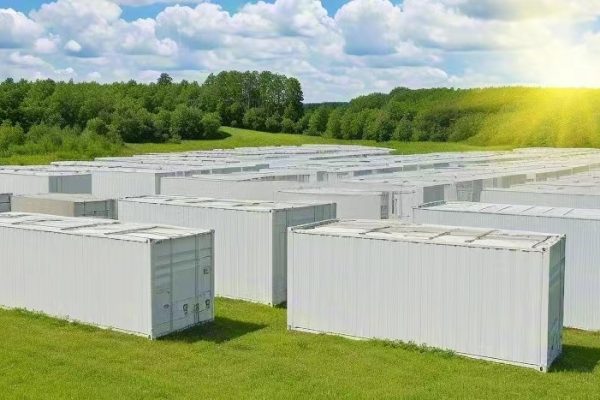
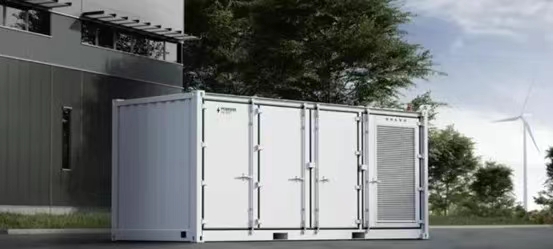
5. Containerized and Integrated ESS Platforms
Pre-integrated systems combining:
- Batteries
- PCS
- BMS
- EMS
- Thermal management
- Fire protection systems
will become increasingly common for:
- Utility-scale storage
- Industrial ESS
- Microgrids
6. Hybrid Energy Storage Systems
Future systems will combine multiple storage technologies:
Examples:
- Batteries + supercapacitors
- Batteries + hydrogen systems
- Batteries + long-duration storage technologies
Hybrid systems improve:
- Power response
- Energy flexibility
- System efficiency
7. Long-Duration Energy Storage (LDES)
Future renewable-heavy grids require longer storage duration.
Emerging technologies include:
- Flow batteries
- Hydrogen storage
- Thermal energy storage
- Metal-air batteries
LDES supports:
- Multi-hour to multi-day energy balancing
8. Solid-State and Next-Generation Batteries
Battery innovation will focus on:
- Higher safety
- Faster charging
- Improved energy density
- Longer lifecycle
Emerging technologies:
- Solid-state batteries
- Sodium-ion batteries
- Silicon-anode systems
- Lithium metal batteries
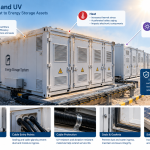
9. Enhanced Safety Architecture
Future ESS design will prioritize:
- Thermal runaway prevention
- Multi-layer protection systems
- AI-based fault detection
- Advanced fire suppression technologies
Safety is becoming one of the most important design priorities in large-scale storage systems.
10. Smart Grid and VPP Integration
Future ESS platforms will increasingly participate in:
- Demand response programs
- Grid balancing services
- Virtual power plant (VPP) networks
Distributed ESS assets will function as coordinated intelligent energy resources.
Emerging ESS Design Concepts
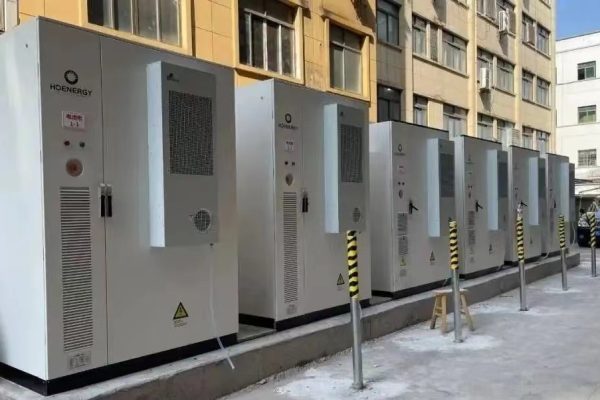
All-in-One ESS Cabinets
Compact integrated systems for:
- Urban environments
- Commercial buildings
- EV charging hubs
Distributed ESS Networks
Multiple interconnected storage nodes operating collaboratively.
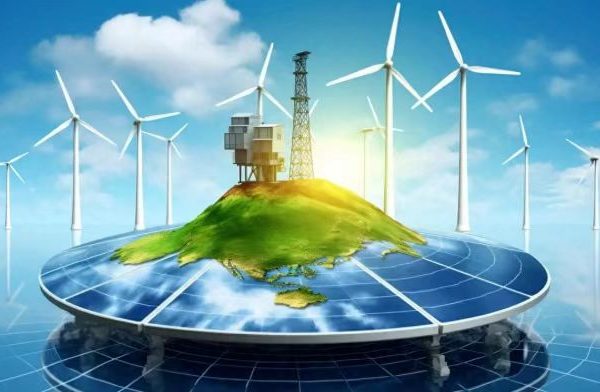
Renewable + Storage Ecosystems
Integrated systems combining:
- Solar
- Wind
- Storage
- EV charging
- Smart energy management
Edge Energy Intelligence
Local autonomous energy decision-making at the system level.
Key Design Priorities for Future ESS
Safety First
Future systems require:
- Thermal protection
- Fire-resistant architecture
- Intelligent diagnostics
Scalability
ESS must support:
- Flexible deployment
- Future expansion
- Modular upgrades
Reliability and Lifecycle Optimization
Future systems focus on:
- Reduced degradation
- Predictive maintenance
- Long-term operational stability
Sustainability
ESS design increasingly considers:
- Recyclability
- Material efficiency
- Low-carbon manufacturing
Challenges Ahead
Thermal Complexity
Higher power density increases cooling requirements.
Material Supply Chains
Critical material availability remains a global concern.
Standardization
The industry still requires more unified design and safety standards.
Grid Integration Complexity
Advanced communication and interoperability are becoming essential.
Applications Driving Future ESS Development
- Utility-scale renewable storage
- Commercial & industrial ESS
- Urban energy systems
- EV charging infrastructure
- AI data centers
- Smart cities
- Microgrids and remote power systems
Best Practices for Future ESS Design
- Prioritize safety and thermal architecture early
- Design for modular scalability
- Integrate AI-enabled EMS platforms
- Optimize renewable and grid interaction capability
- Validate systems through pilot-scale deployment and real-world operation
The future of energy storage system design is moving toward intelligent, modular, high-density, and highly integrated energy platforms. Advances in battery chemistry, thermal management, AI-based control systems, and hybrid storage architectures are reshaping how energy is stored, distributed, and managed.
As global energy infrastructure becomes more decentralized and renewable-driven, next-generation ESS will serve as a foundational technology for building resilient, efficient, and sustainable energy networks worldwide.