
As industries, businesses, and critical facilities become increasingly dependent on stable electricity, backup power systems with battery storage are becoming essential for ensuring operational continuity and energy resilience. Traditional backup generators alone are no longer sufficient for many modern applications due to response time, fuel dependency, maintenance requirements, and sustainability concerns.
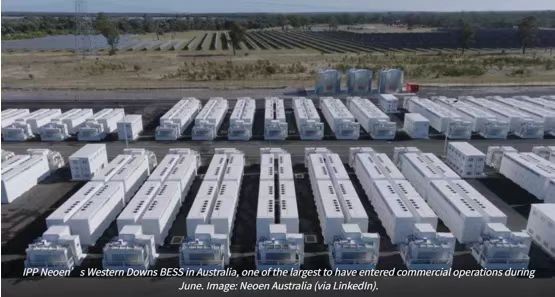
Battery energy storage systems (BESS) now play a central role in modern backup power architecture by delivering fast-response, intelligent, and scalable energy support for residential, commercial, industrial, and critical infrastructure applications.
What Is a Battery-Based Backup Power System?
A backup power system with battery storage is an energy solution designed to provide electricity during:
- Grid outages
- Power instability
- Emergency situations
- Peak demand events
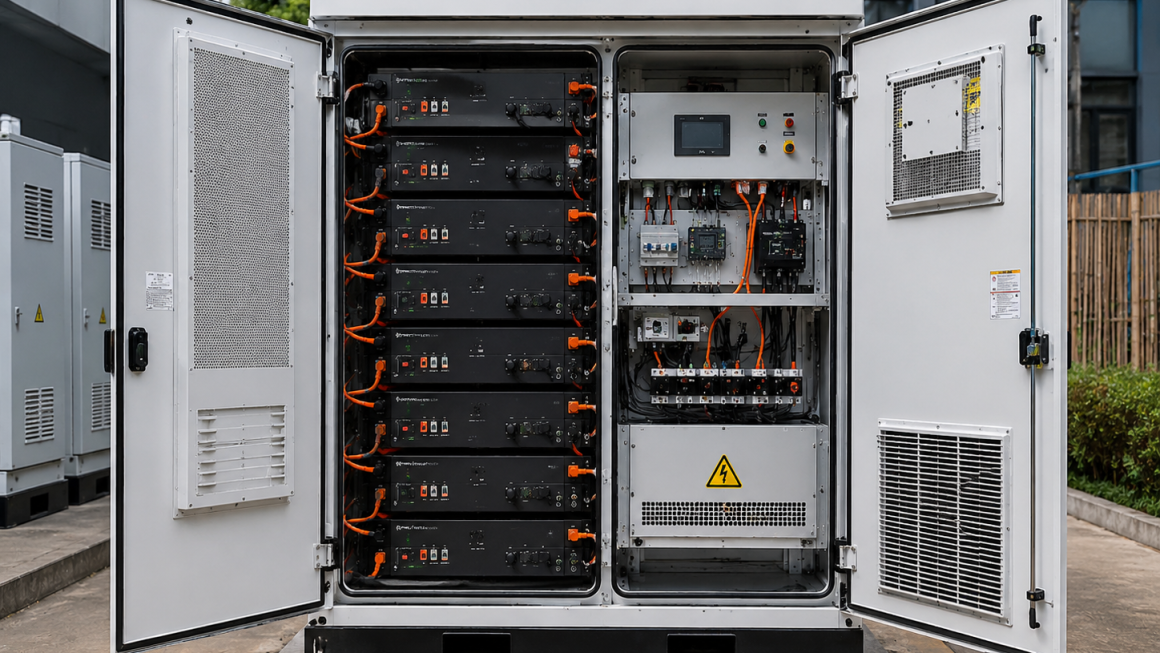
These systems typically integrate:
- Battery storage systems
- Power Conversion Systems (PCS)
- Battery Management Systems (BMS)
- Energy Management Systems (EMS)
- Automatic transfer and protection systems
Battery storage may operate independently or alongside:
- Diesel generators
- Solar PV systems
- Utility grid connections
- Microgrid systems
Why Battery Storage Is Important for Backup Power
Traditional generators often face limitations:
- Startup delay
- Fuel dependency
- Noise and emissions
- High maintenance requirements
Battery systems provide:
- Instantaneous response
- Quiet operation
- Zero local emissions
- Intelligent energy management
Modern backup systems increasingly combine batteries with renewable energy and smart control systems.
Core Functions of Battery Backup Systems
1. Emergency Power Supply
Battery systems automatically provide power during:
- Grid failures
- Voltage drops
- Critical infrastructure interruptions
This ensures uninterrupted operation for sensitive equipment.
2. Seamless Power Transition
Unlike conventional generators, battery storage offers:
- Millisecond-level response
- Smooth transition during outages
- Stable voltage and frequency support
Critical for:
- Data centers
- Hospitals
- Manufacturing systems
- Communication infrastructure
3. Peak Shaving and Energy Optimization
Battery systems can also:
- Reduce peak electricity demand
- Store off-peak energy
- Improve energy efficiency during normal operation
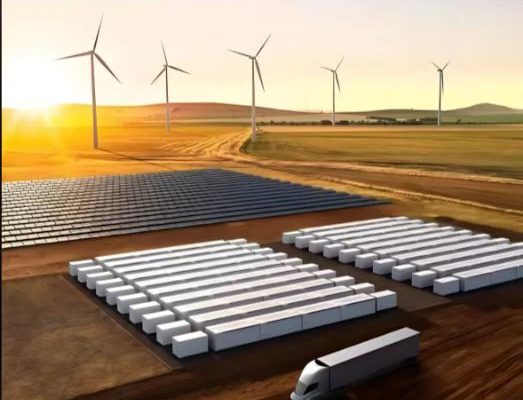
4. Renewable Energy Integration
Backup systems increasingly integrate with:
- Solar PV systems
- Wind energy systems
- Hybrid renewable microgrids
This improves energy independence and sustainability.
5. Grid Stabilization and Power Quality
Battery storage helps maintain:
- Voltage stability
- Frequency regulation
- Protection against short-term disturbances
Core Components of Backup Battery Systems
1. Battery Energy Storage System (BESS)
The battery system stores electrical energy for backup use.
Common battery chemistries:
- LFP (Lithium Iron Phosphate)
- NMC (Nickel Manganese Cobalt)
- Emerging sodium-ion technologies
Battery architecture includes:
- Cells
- Modules
- Packs and racks
- High-voltage DC systems
2. Power Conversion System (PCS)
The PCS manages:
- AC/DC conversion
- Grid synchronization
- Charging and discharging operations
- Bidirectional power flow
3. Battery Management System (BMS)
The BMS ensures:
- Cell balancing
- Voltage and temperature monitoring
- Fault detection and protection
- Safety diagnostics
4. Energy Management System (EMS)
The EMS optimizes:
- Backup energy dispatch
- Charging strategies
- Renewable integration
- Load prioritization
Advanced EMS platforms increasingly use AI-based optimization.
5. Thermal Management System
Backup power systems require stable thermal control for:
- Safety
- Long-term reliability
- Consistent performance
Cooling methods may include:
- Air cooling
- HVAC systems
- Liquid cooling solutions
Typical Applications
Data Centers
Battery backup supports:
- UPS systems
- AI infrastructure
- Continuous server operation
Hospitals and Healthcare Facilities
Critical for:
- Life-support systems
- Medical equipment
- Emergency operations
Industrial Facilities
Applications include:
- Production continuity
- Equipment protection
- Peak demand management
Commercial Buildings
Battery backup improves:
- Building resilience
- Energy optimization
- Tenant protection during outages
Residential Energy Systems
Home battery systems support:
- Backup power
- Solar energy storage
- Energy independence
Telecom and Infrastructure
Battery systems provide:
- Stable communication networks
- Remote tower backup power
- Emergency response capability
Key Design Considerations
Scalability and Runtime
Backup systems must be sized based on:
- Load demand
- Required backup duration
- Future expansion needs
Safety and Protection
Battery backup systems require:
- Thermal runaway protection
- Fire suppression systems
- Electrical isolation and grounding
- Gas detection and ventilation
Thermal Management
Stable thermal operation is critical for:
- Battery lifespan
- High-power discharge performance
- Operational safety
System Redundancy
Critical infrastructure often requires:
- Redundant battery architecture
- Multiple PCS systems
- Layered backup strategies
Grid and Generator Integration
Systems may operate with:
- Utility grids
- Diesel generators
- Renewable energy systems
- Hybrid microgrids
Seamless integration is essential.
Challenges in Battery Backup Systems
High Initial Investment
Large-scale backup systems may require significant upfront infrastructure costs.
Thermal and Safety Complexity
High-energy battery systems require advanced safety engineering.
Lifecycle Management
Battery degradation must be managed through:
- Smart charging strategies
- Thermal optimization
- Operational balancing
System Integration Complexity
Coordinating:
- Batteries
- PCS
- EMS
- Generators
- Building infrastructure
requires advanced engineering expertise.
Emerging Trends
1. Renewable + Backup Hybrid Systems
Integrated solar + battery backup architectures are growing rapidly.
2. AI-Based Energy Management
Predictive optimization improves backup readiness and energy efficiency.
3. Containerized Backup ESS
Pre-integrated modular systems for scalable deployment.
4. Long-Duration Energy Storage
New technologies extending backup runtime capability.
5. Decentralized Energy Resilience
Distributed backup systems improving local energy security.
Best Practices
- Design backup systems based on critical load priorities
- Integrate safety and thermal management early
- Use modular architectures for scalability
- Validate operation through real-world testing
- Ensure compliance with electrical and safety standards
Backup power systems with battery storage are becoming a foundational technology for resilient and intelligent energy infrastructure. By providing fast-response backup power, renewable integration capability, peak demand management, and operational flexibility, battery storage enables more reliable and sustainable energy systems across residential, commercial, industrial, and critical infrastructure applications.
As electrification and digital infrastructure continue expanding globally, battery-based backup systems will play an increasingly important role in ensuring stable and future-ready power networks.