Commercial and Industrial (C&I) Energy Storage Systems are rapidly becoming a critical component of modern energy infrastructure. As electricity costs rise and businesses pursue greater energy efficiency, resilience, and sustainability, C&I energy storage provides a practical solution for optimizing power usage and supporting renewable integration.
From manufacturing facilities and logistics centers to office buildings and data centers, C&I ESS helps businesses reduce operational costs, stabilize energy supply, and improve long-term energy flexibility.
What Are C&I Energy Storage Systems?
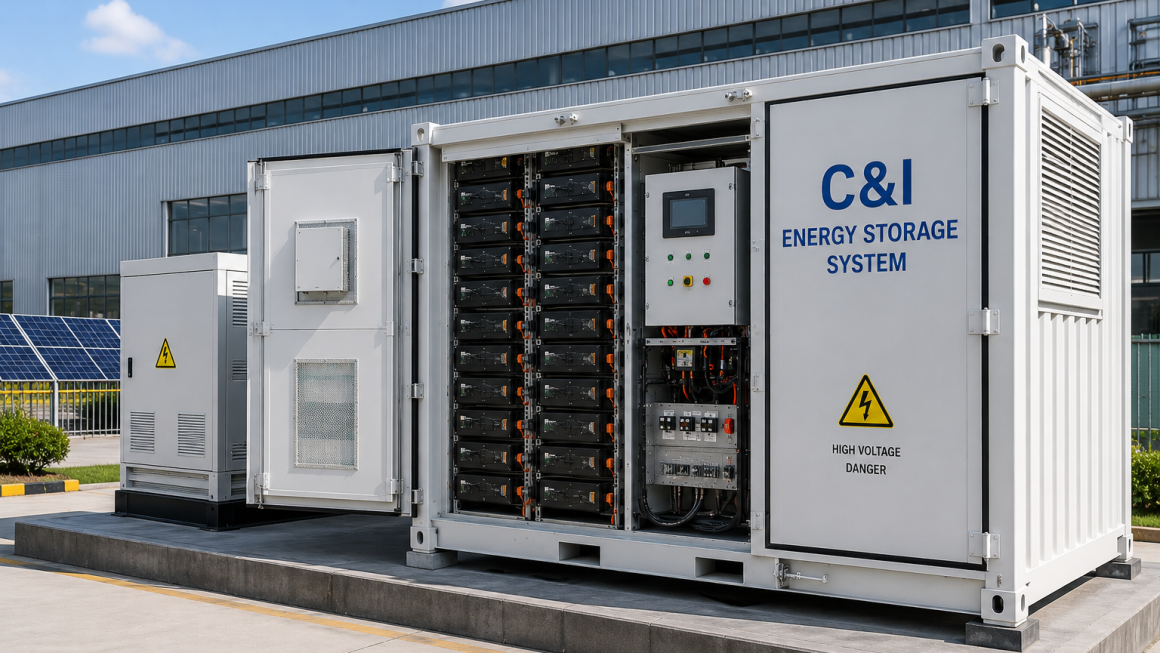
Commercial and Industrial energy storage systems are battery-based energy solutions designed for:
- Commercial buildings
- Factories and industrial facilities
- Warehouses and logistics centers
- Data centers
- EV charging infrastructure
- Renewable energy projects
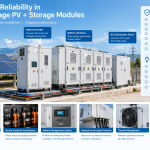
These systems typically integrate:
- Battery storage
- Power Conversion Systems (PCS)
- Battery Management Systems (BMS)
- Energy Management Systems (EMS)
- Thermal management and safety systems
Why C&I Energy Storage Is Important
1. Reducing Electricity Costs
C&I ESS helps businesses:
- Store energy during low-cost periods
- Discharge during peak pricing periods
This reduces:
- Demand charges
- Time-of-use electricity costs
- Overall energy expenses
2. Backup Power and Energy Resilience
Energy storage provides:
- Emergency backup power
- Protection against grid outages
- Improved operational continuity
Critical operations can maintain productivity during power interruptions.
3. Renewable Energy Integration
C&I ESS supports:
- Solar + storage systems
- Wind + storage applications
- Hybrid renewable energy solutions
This improves renewable energy utilization and reduces grid dependence.
4. Peak Shaving and Load Management
Battery systems help:
- Reduce peak grid demand
- Balance facility power loads
- Improve electrical infrastructure efficiency
5. Sustainability and Decarbonization
Businesses increasingly use ESS to:
- Reduce carbon emissions
- Improve ESG performance
- Support clean energy transition goals
Core Components of C&I ESS
1. Battery Storage System
The battery system stores and supplies electrical energy.
Common chemistries include:
- LFP (Lithium Iron Phosphate)
- NMC (Nickel Manganese Cobalt)
- Emerging sodium-ion technologies
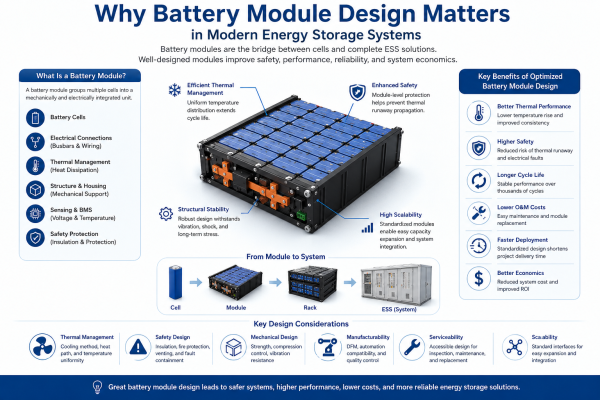
Battery architecture typically includes:
- Cells
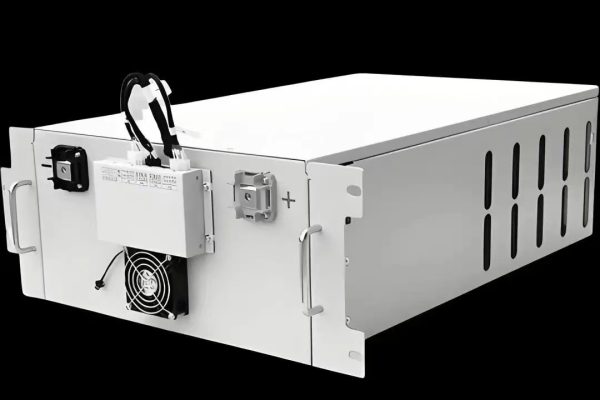
- Modules
- Packs and racks
- High-voltage DC systems
2. Power Conversion System (PCS)
The PCS manages:
- AC/DC conversion
- Grid synchronization
- Charging and discharging operations
- Bidirectional power flow
3. Battery Management System (BMS)
The BMS performs:
- Voltage and temperature monitoring
- Cell balancing
- Fault detection and protection
- Safety diagnostics
4. Energy Management System (EMS)
The EMS optimizes:
- Energy dispatch
- Peak shaving strategies
- Renewable integration
- Real-time monitoring and analytics
AI-based EMS platforms are increasingly common.
5. Thermal Management System
Thermal systems maintain:
- Battery temperature stability
- Operational safety
- Long-term reliability
Cooling methods may include:
- Air cooling
- HVAC systems
- Liquid cooling architectures
Typical C&I ESS Applications
Manufacturing Facilities
Energy storage supports:
- Peak demand reduction
- Production stability
- Backup power capability
Warehousing and Logistics
Used for:
- EV fleet charging
- Renewable integration
- Smart load balancing
Commercial Buildings
Applications include:
- Energy optimization
- Backup power systems
- Building energy management
Data Centers
ESS improves:
- Power reliability
- UPS functionality
- AI infrastructure support
EV Charging Infrastructure
Battery storage supports:
- Fast charging capability
- Reduced grid stress
- Charging station energy optimization
Key Design Considerations
Scalability and Flexibility
C&I systems should support:
- Future expansion
- Modular deployment
- Flexible energy capacity growth
Safety Architecture
Large-scale battery systems require:
- Thermal runaway prevention
- Fire suppression systems
- Gas detection and ventilation
- Electrical isolation protection
Thermal Management
High-power operation requires:
- Uniform cooling
- Efficient heat dissipation
- Long-term thermal stability
Grid Compatibility
Systems must integrate with:
- Utility infrastructure
- Renewable systems
- Smart building energy networks
- Demand response programs
Environmental Durability
C&I ESS may operate in:
- Outdoor environments
- Industrial facilities
- High-temperature regions
Enclosures must provide:
- IP-rated protection
- Corrosion resistance
- Structural durability
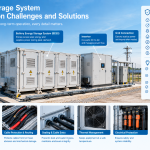
Challenges in C&I Energy Storage
High Initial Investment
System deployment may require significant upfront infrastructure costs.
Thermal and Safety Complexity
High-density storage requires advanced thermal and protection design.
System Integration
Coordinating:
- Batteries
- PCS
- EMS
- HVAC
- Facility infrastructure
can be technically complex.
Regulatory Compliance
Projects must comply with:
- Electrical standards
- Fire safety regulations
- Grid interconnection requirements
Emerging Trends
1. AI-Based Energy Optimization
Smart EMS platforms improve operational efficiency and predictive management.
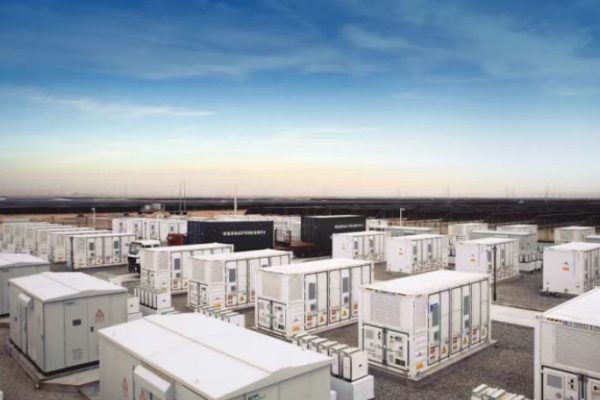
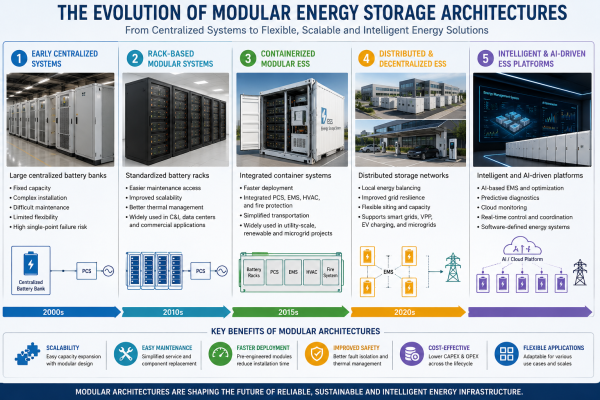
2. Containerized C&I ESS
Modular pre-integrated systems for faster deployment.
3. Renewable + Storage Ecosystems
Integrated clean energy systems for commercial and industrial facilities.
4. High-Voltage ESS Architectures
Improved efficiency for larger installations.
5. Hybrid Energy Storage Systems
Combining batteries with:
- Supercapacitors
- Hydrogen systems
- Renewable generation
Best Practices
- Design with scalability in mind from the beginning
- Prioritize safety and thermal architecture early
- Integrate EMS with facility energy systems
- Validate systems through pilot and operational testing
- Ensure compliance with local utility and safety standards
Commercial and Industrial Energy Storage Systems are becoming a foundational technology for modern energy management. By improving energy resilience, reducing electricity costs, supporting renewable integration, and enhancing operational flexibility, C&I ESS enables businesses to build smarter and more sustainable energy infrastructure.
As global electrification and energy decentralization continue to accelerate, C&I energy storage will play an increasingly important role in shaping the future of commercial and industrial power systems.