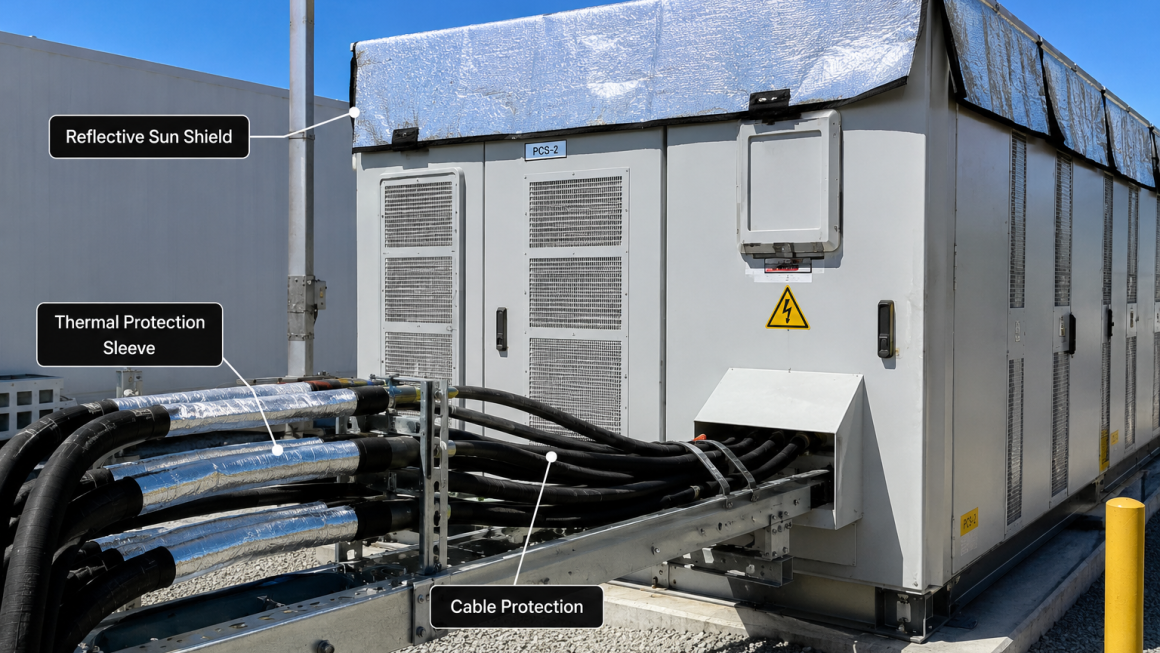
Why Solar Heat Matters in Outdoor BESS Installations
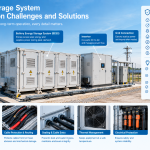
Power Conversion Systems (PCS) are among the most important components in Battery Energy Storage Systems (BESS). They manage the bidirectional flow of electrical energy between batteries and the power grid, operating continuously under demanding conditions.
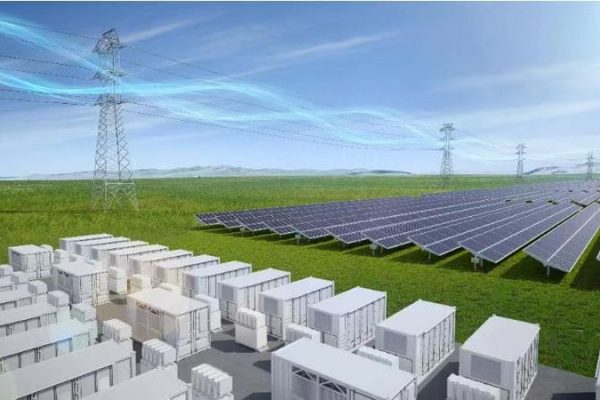
In outdoor installations, however, PCS cabinets and cable assemblies face an additional challenge that is often underestimated—solar heat exposure.
Direct sunlight, combined with high ambient temperatures, can increase surface temperatures significantly above the surrounding air temperature. Over time, prolonged thermal stress may affect electrical components, cable insulation, and overall system reliability.
For utility-scale energy storage projects, protecting PCS equipment from solar heat is an important part of long-term asset management.
Sources of Heat in Outdoor Energy Storage Systems
Heat affecting PCS cabinets and cable assemblies generally comes from two sources.
Internal Heat Generation
During normal operation, PCS units generate heat through:
- Power conversion
- Switching devices
- Transformers
- Cooling equipment
- Electronic components
This heat must be effectively dissipated to maintain stable operating temperatures.
External Solar Radiation
Outdoor equipment is also exposed to continuous solar radiation.
Direct sunlight can heat:
- PCS enclosure surfaces
- Cable trays
- Cable conduits
- Junction boxes
- Connectors
- Metal support structures
On sunny days, exposed metal surfaces can become much hotter than the surrounding environment, increasing thermal stress on nearby components.
How Solar Heat Affects Cable Assemblies
Cable assemblies are designed to operate within specified temperature ranges.
When exposed to elevated temperatures for extended periods, several changes may occur.
Insulation Aging
Heat gradually accelerates the aging of cable insulation materials.
Possible effects include:
- Reduced flexibility
- Surface cracking
- Lower dielectric performance
- Shortened service life
Connector Stress
Temperature fluctuations cause repeated expansion and contraction of metallic components.
Over time, this thermal cycling may contribute to:
- Loosened connections
- Increased contact resistance
- Reduced connection reliability
Higher Electrical Losses
As conductor temperatures rise, electrical resistance also increases.
This may result in:
- Additional heat generation
- Lower transmission efficiency
- Increased cooling demand
Why PCS Cabinets Require Thermal Protection
Modern PCS cabinets contain numerous sensitive electrical and electronic components.
Excessive enclosure temperatures may influence:
- Electronic control boards
- Capacitors
- Power semiconductor devices
- Cooling systems
- Internal cable assemblies
While ventilation and active cooling remove internally generated heat, reducing external solar heat can lower the overall thermal load placed on the system.
Practical Protection Strategies
Rather than relying on a single solution, outdoor BESS projects typically combine several protective measures.
Reflective Thermal Barriers
Reflective materials reduce the amount of solar radiation absorbed by enclosure surfaces.
Applications include:
- PCS cabinet roofs
- Equipment enclosures
- Outdoor electrical cabinets
Lower surface temperatures help reduce heat transfer into the enclosure.
Thermal Insulation Materials
Thermal insulation can help reduce heat transfer from sun-exposed metal panels to internal components.
Common materials include:
- High-temperature insulation panels
- Ceramic insulation
- Aerogel composite materials
- Thermal barrier sheets
These materials are selected according to the system’s thermal design and operating environment.
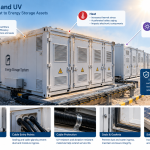
Cable Protection Sleeves
Protective sleeves provide additional shielding for exposed cable assemblies.
Depending on the application, they may offer:
- Thermal insulation
- Radiant heat reflection
- UV resistance
- Abrasion protection
- Flame retardancy
These features help extend cable service life in outdoor environments.
Optimized Cable Routing
Good cable management also contributes to thermal performance.
Recommended practices include:
- Separating cables from hot equipment
- Avoiding unnecessary cable bundling
- Maintaining airflow around cable runs
- Reducing direct exposure to sunlight where practical
Environmental Protection Beyond Temperature
Outdoor energy storage equipment is exposed to more than heat alone.
Protection systems should also address:
- Dust
- Rain
- UV radiation
- Salt spray
- Humidity
- Mechanical wear
Combining thermal protection with environmental resistance supports more reliable long-term operation.
Future Trends in Outdoor BESS Protection
As energy storage systems continue to grow in size and power density, passive thermal protection is receiving increasing attention.
Future developments are expected to include:
- Advanced reflective coatings
- Lightweight thermal insulation composites
- High-performance cable protection sleeves
- Multifunctional protective materials
- Integrated thermal management solutions
These technologies aim to reduce thermal stress without significantly increasing system complexity.
Solar heat exposure is an important environmental factor affecting outdoor Battery Energy Storage Systems.
By increasing temperatures on PCS cabinets and cable assemblies, prolonged sunlight can accelerate material aging, increase electrical losses, and reduce long-term reliability.
Combining reflective barriers, thermal insulation, optimized cable routing, and high-performance cable protection sleeves can help reduce thermal stress and support more reliable outdoor operation.
As utility-scale BESS deployments continue to expand into regions with intense sunlight and high ambient temperatures, solar heat protection is becoming an increasingly important consideration in system design.