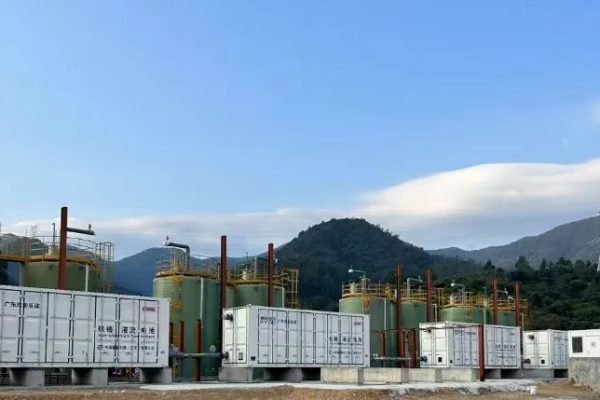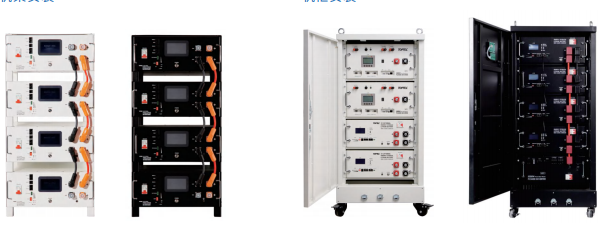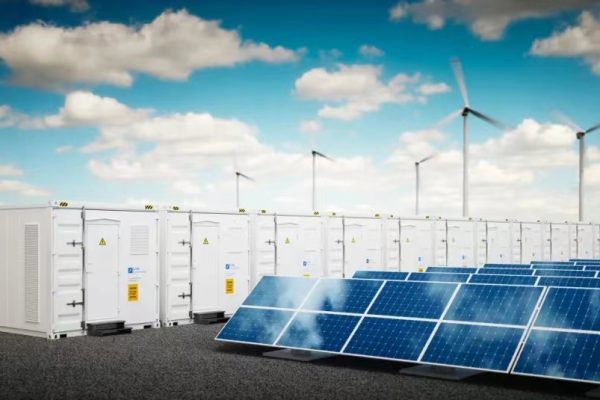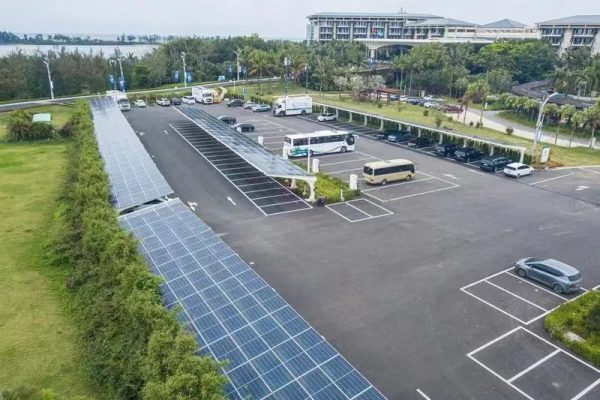

As energy demands become more dynamic and complex, single-storage technologies are often no longer sufficient to meet all performance requirements. Hybrid Energy Storage Systems (HESS) combine multiple energy storage technologies to optimize power delivery, energy density, response speed, lifecycle, and operational efficiency.
By integrating complementary technologies into one coordinated system, HESS enables more flexible and intelligent energy management across a wide range of applications.
What Is a Hybrid Energy Storage System?
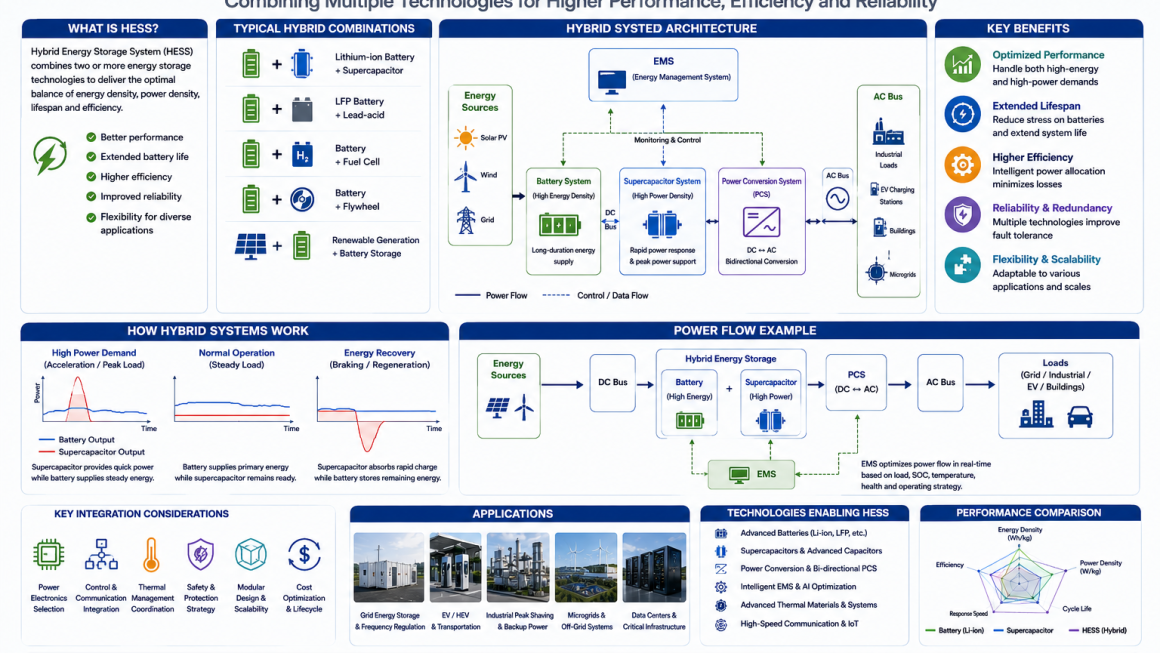
A Hybrid Energy Storage System combines two or more energy storage technologies within a unified architecture.
Common combinations include:
- Lithium-ion batteries + supercapacitors
- LFP batteries + lead-acid backup systems
- Batteries + hydrogen fuel cells
- Batteries + flywheels
- Renewable generation + battery storage
Each technology contributes different strengths:
- Batteries provide high energy density
- Supercapacitors provide rapid power response
- Fuel cells support long-duration energy supply
Why Hybrid Systems Are Important
1. Improved System Performance
Different storage technologies handle different operational demands:
- Fast transient loads
- Peak shaving
- Long-duration energy support
- High cycling frequency
2. Extended Battery Lifespan
Supercapacitors or secondary storage systems can absorb rapid charge/discharge spikes, reducing stress on batteries.
3. Higher Efficiency
Hybrid architectures optimize energy flow based on:
- Load profile
- Response speed
- Operating conditions
4. Increased Reliability and Redundancy
Multiple storage layers improve fault tolerance and operational stability.
Core Design Principles
1. Energy and Power Balancing
A key objective is assigning the right task to the right storage technology.
Example:
- Batteries → long-duration energy delivery
- Supercapacitors → short high-power bursts
2. Power Electronics Integration
Hybrid systems require advanced power conversion and distribution:
- DC/DC converters
- Bidirectional PCS
- Voltage regulation systems
These components coordinate energy transfer between subsystems.
3. Intelligent Energy Management System (EMS)
EMS acts as the central control layer:
- Determines charge/discharge strategy
- Optimizes efficiency and lifespan
- Balances power flow dynamically
- Predicts load demand and operating conditions
4. Thermal Management Coordination
Different technologies generate heat differently:
- Batteries require stable temperature control
- Supercapacitors may tolerate wider temperature ranges
Integrated thermal architecture is essential for system stability.
5. Modular and Scalable Architecture
Hybrid systems are increasingly designed with:
- Modular storage units
- Flexible voltage configurations
- Expandable system structures
Typical Hybrid Architectures
1. Battery + Supercapacitor Systems
Most common hybrid architecture.
Advantages:
- Fast response capability
- Reduced battery stress
- Improved peak power handling
Applications:
- EV acceleration support
- Grid frequency regulation
- Industrial peak shaving
2. Battery + Fuel Cell Systems
Combines:
- High-energy storage (battery)
- Long-duration continuous power (fuel cell)
Used in:
- Heavy-duty transportation
- Backup power systems
3. Renewable + Battery Hybrid Systems
Integrates:
- Solar PV or wind
- Battery storage
- EMS and PCS coordination
Supports:
- Renewable smoothing
- Microgrids
- Off-grid power systems
Integration Challenges
System Complexity
Multiple technologies increase control and integration requirements.
Communication Coordination
Different subsystems must communicate in real time.
Thermal and Mechanical Compatibility
Each storage technology may require different environmental conditions.
Cost Optimization
Balancing performance gains with system complexity and cost.
Key Technologies Supporting HESS
- Advanced Battery Management Systems (BMS)
- AI-driven EMS optimization
- Bidirectional PCS architectures
- Carbon-based thermal materials
- High-speed communication protocols
Emerging Trends
1. AI-Based Predictive Energy Management
Real-time optimization using machine learning.
2. High-Voltage Hybrid Architectures
Improved efficiency for large-scale systems.
3. Containerized Hybrid ESS
Pre-integrated modular systems for rapid deployment.
4. Multi-Source Renewable Integration
Solar, wind, and storage coordinated within one platform.
Applications
- Grid-scale energy storage
- EV and heavy transportation
- Renewable energy integration
- Industrial backup systems
- Data centers and AI infrastructure
- Microgrids and remote power systems
Best Practices
- Define clear power and energy roles for each subsystem
- Integrate EMS early in system design
- Optimize thermal and electrical coordination jointly
- Use modular architectures for scalability
- Validate integration through pilot-scale testing
Hybrid Energy Storage Systems represent a major evolution in energy infrastructure, combining the strengths of multiple technologies into one intelligent platform. By integrating batteries, power electronics, thermal systems, and advanced control architectures, HESS can deliver improved efficiency, reliability, and flexibility across diverse applications.
As global energy systems become more distributed and dynamic, hybrid storage architectures will play a critical role in enabling resilient and future-ready energy solutions.