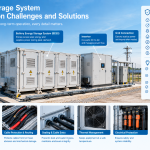
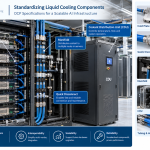
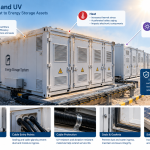
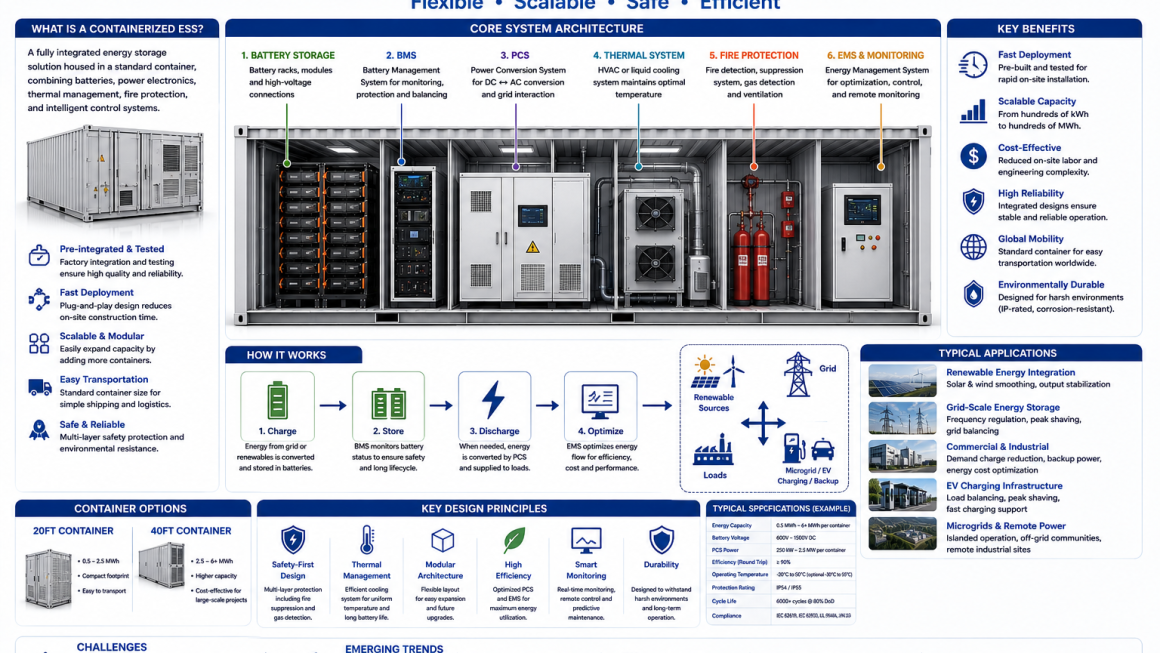
As energy storage deployment accelerates worldwide, containerized energy storage systems (Containerized ESS) have emerged as one of the most practical and scalable solutions for grid support, renewable integration, and industrial energy management. By integrating batteries, power electronics, cooling, and control systems into standardized containers, these systems enable rapid deployment, modular expansion, and simplified operation.
What Is a Containerized Energy Storage System?
A containerized ESS is a fully integrated energy storage solution housed within a standardized shipping-container-like enclosure.
Typical integrated components include:
- Battery racks and modules
- Battery Management System (BMS)
- Power Conversion System (PCS)
- Thermal management systems
- Fire protection and safety systems
- Energy Management System (EMS)
- Monitoring and communication equipment
Most systems use:
- 20-foot containers
- 40-foot containers
- Custom modular enclosure formats
Why Containerized ESS Is Growing Rapidly
1. Fast Deployment
Pre-integrated systems significantly reduce:
- On-site installation complexity
- Construction time
- Commissioning effort
2. Scalability and Modularity
Containerized systems are designed for easy expansion:
- Add more containers as energy demand grows
- Flexible system sizing from hundreds of kWh to hundreds of MWh
3. Simplified Transportation
Standardized container dimensions simplify:
- Global logistics
- Shipping and handling
- Site relocation if needed
4. Integrated Safety and Environmental Protection
Containerized systems include:
- Fire suppression systems
- Thermal management
- IP-rated environmental protection
- Gas detection and emergency ventilation
Core System Architecture
1. Battery Storage Section
Contains:
- Battery modules and racks
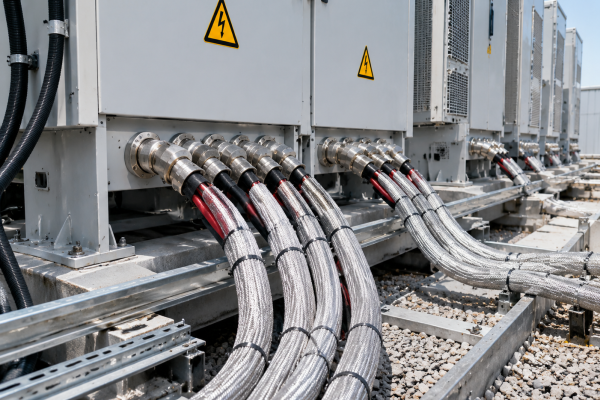
- High-voltage connections
- Monitoring sensors
Battery chemistries commonly used:
- LFP (Lithium Iron Phosphate)
- NMC (Nickel Manganese Cobalt)
- Emerging sodium-ion systems
2. Power Conversion System (PCS)
Handles:
- DC ↔ AC conversion
- Grid synchronization
- Charging/discharging control
Can be integrated:
- Inside the container
- In separate PCS cabinets
3. Thermal Management System
Maintains optimal operating temperatures through:
- HVAC systems
- Liquid cooling systems
- Airflow management and heat extraction
Thermal stability is essential for:
- Performance consistency
- Safety
- Long lifecycle
4. Battery Management System (BMS)
Provides:
- Cell-level monitoring
- Voltage and temperature tracking
- Fault detection and protection
- Balancing and diagnostics
5. Energy Management System (EMS)
Controls:
- Energy dispatch and optimization
- Peak shaving and load shifting
- Renewable energy coordination
- Remote monitoring and analytics
Key Design Principles
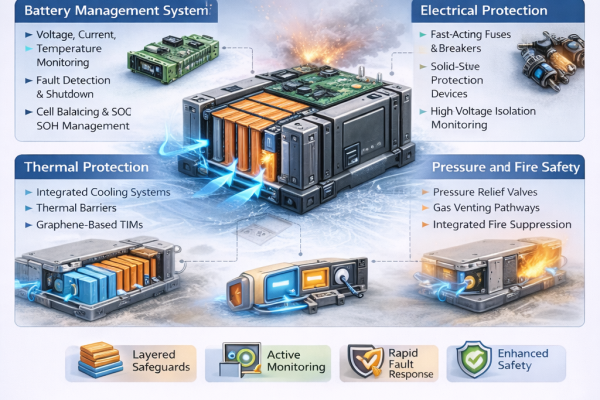
Safety-First Architecture
Containerized ESS must include:
- Thermal runaway mitigation
- Fire-resistant compartment design
- Isolation and emergency shutdown systems
Thermal Uniformity
Large battery systems require:
- Consistent airflow or liquid cooling
- Prevention of hotspots and temperature gradients
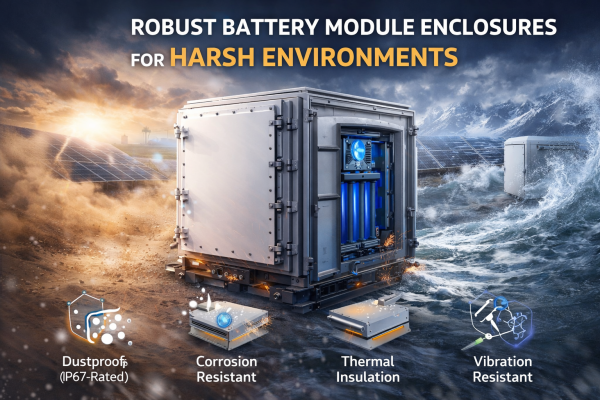
Structural Durability
Containers must withstand:
- Transportation vibration
- Outdoor environmental exposure
- Corrosion and weather conditions
Serviceability
Systems should allow:
- Easy module replacement
- Maintenance access
- Remote diagnostics
Typical Applications
1. Renewable Energy Integration
- Solar + storage systems
- Wind farm stabilization
- Renewable smoothing and dispatch
2. Grid-Scale Energy Storage
- Frequency regulation
- Peak shaving
- Grid balancing and backup support
3. Commercial & Industrial ESS
- Demand charge reduction
- Backup power
- Energy cost optimization
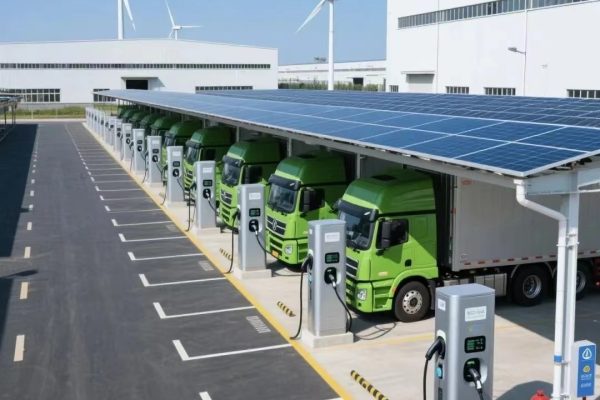
4. EV Charging Infrastructure
- Fast charging energy buffering
- Load balancing for charging stations
5. Microgrids and Remote Power Systems
- Islanded operation
- Off-grid communities
- Remote industrial sites
Challenges in Containerized ESS
Heat Management
High energy density increases cooling demands.
Fire Safety
Thermal runaway containment is critical.
Weight and Structural Constraints
Battery systems create significant structural loading.
System Integration Complexity
Coordinating BMS, PCS, EMS, and HVAC requires advanced engineering.
Emerging Trends
1. High-Energy-Density Containers
More MWh capacity within the same footprint.
2. AI-Based Energy Management
Predictive optimization and maintenance.
3. Liquid-Cooled Container Systems
Improved thermal performance for large-scale storage.
4. Hybrid Containerized ESS
Combining batteries with supercapacitors or hydrogen systems.
5. Renewable + Storage Integration Platforms
Complete turnkey microgrid solutions.
Best Practices
- Design safety systems from the earliest stage
- Optimize thermal management for uniformity
- Use modular architecture for scalability
- Validate systems through pilot and field testing
- Ensure compliance with international standards and grid codes
Containerized Energy Storage Systems provide a flexible, scalable, and rapidly deployable solution for modern energy infrastructure. By integrating batteries, power electronics, thermal systems, and intelligent controls into modular platforms, containerized ESS supports a wide range of applications—from renewable energy integration to grid stabilization and industrial backup power.
As the global energy transition accelerates, containerized ESS will continue to play a central role in building resilient, intelligent, and future-ready energy systems.