
Why Temperature Is One of the Biggest Threats to ESS Cables
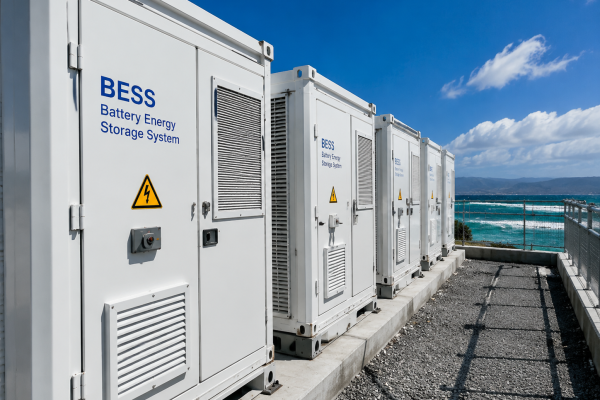
As Battery Energy Storage Systems (BESS) continue to expand into utility-scale, commercial, and industrial applications, thermal management has become a critical reliability concern.
While much attention is given to batteries, inverters, and cooling systems, power cables are often overlooked.
In a High Temperature BESS environment, excessive heat can significantly reduce cable lifespan, increase maintenance costs, and create safety risks for the entire energy storage installation.
Understanding how temperature affects cable performance is essential for designing a safer and longer-lasting energy storage system.
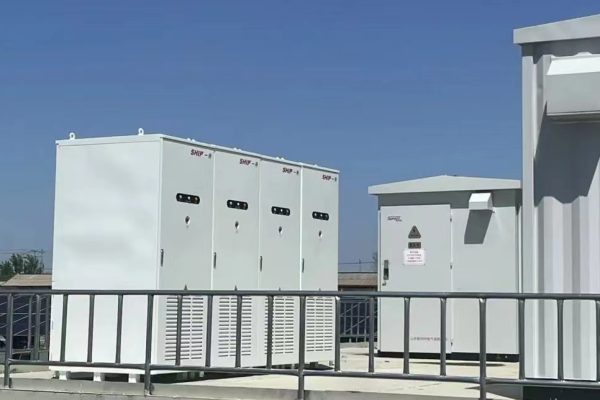
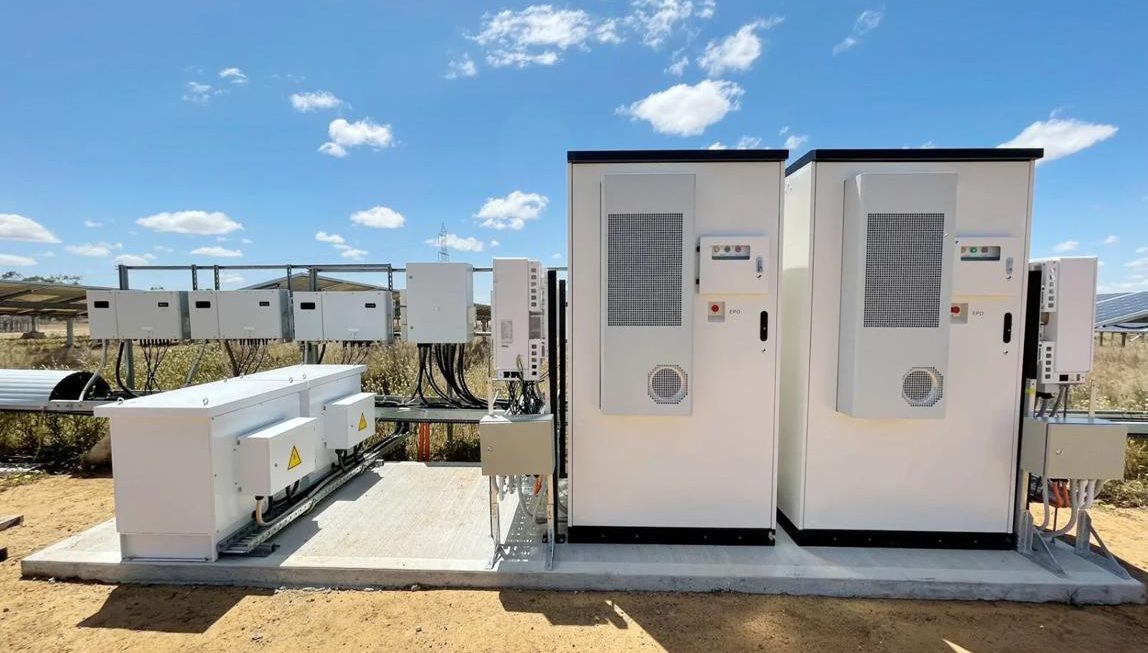
Environment Scenario: High-Temperature Energy Storage Installations
Many energy storage projects operate in harsh thermal conditions throughout the year.
Typical scenarios include:
- Desert solar-plus-storage projects
- Utility-scale BESS installations in the Middle East
- Energy storage systems in Australia
- Containerized ESS located under direct sunlight
- Industrial facilities with elevated ambient temperatures
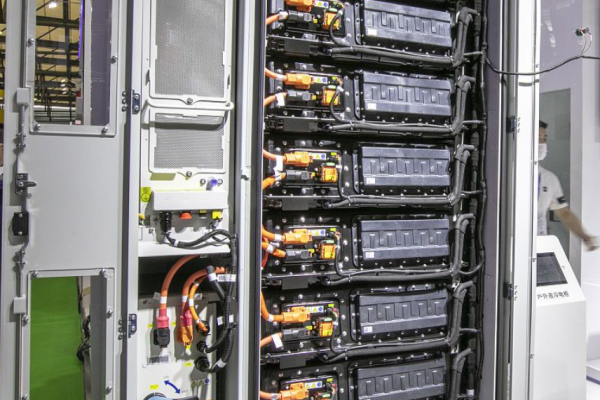
- Battery containers with insufficient airflow around cable routes


6
In these environments, ambient temperatures can exceed 45°C (113°F), while cable surface temperatures may become significantly higher due to:
- Solar radiation
- Internal system heat
- Continuous high-current operation
- Poor ventilation
Over time, this thermal stress accelerates cable aging.
Risk #1: Insulation Degradation
Cable insulation materials are designed to operate within specific temperature ranges.
When temperatures remain elevated for extended periods:
- Polymer insulation begins to harden
- Flexibility decreases
- Micro-cracks can develop
- Dielectric strength gradually declines
As insulation deteriorates, the likelihood of electrical faults and leakage currents increases.
For energy storage operators, this means reduced system reliability and higher maintenance requirements.
Risk #2: Accelerated Cable Aging
Heat is one of the primary factors affecting cable service life.
A commonly accepted engineering principle suggests that for many insulation materials, every 10°C increase above the designed operating temperature can significantly accelerate aging processes.
Consequences include:
- Premature cable replacement
- Increased downtime
- Higher lifecycle costs
- Reduced return on investment
In large-scale BESS projects, replacing damaged power cables can become a major operational expense.
Risk #3: Mechanical Damage from Thermal Cycling
Energy storage systems rarely operate at constant temperatures.
Daily charge-discharge cycles create repeated heating and cooling events.
This thermal cycling causes:
- Expansion and contraction of cable materials
- Loosening of cable ties and supports
- Increased abrasion against metallic surfaces
- Wear at bending points
Over several years, mechanical damage can become just as serious as electrical degradation.
Risk #4: Fire and Safety Hazards
High temperatures can amplify the impact of cable failures.
Potential consequences include:
- Short circuits
- Arc faults
- Insulation breakdown
- Fire propagation along cable routes
Because BESS installations contain large amounts of stored energy, cable protection becomes a critical part of overall system safety.
Solution: Implement Thermal Cable Protection Early
Rather than waiting for cable damage to occur, project developers are increasingly integrating thermal protection during the design phase.
Effective ESS Cable Protection strategies include:
Proper Cable Routing
- Separate cables from major heat sources
- Improve airflow around cable bundles
- Avoid excessive cable congestion
Thermal Barrier Installation
Additional thermal shielding can reduce direct heat exposure from:
- Battery modules
- Busbars
- Power electronics
- External solar radiation
Abrasion and Mechanical Protection
Protective sleeves help prevent:
- Surface wear
- Vibration damage
- Contact with sharp edges
- Installation-related damage
Together, these measures significantly extend cable lifespan.
Product: High-Temperature Cable Protection Sleeves for BESS
For demanding energy storage environments, high-temperature protective sleeves provide an additional layer of defense.
Typical solutions include:
Fiberglass Sleeves
Suitable for:
- General thermal insulation
- Cable bundling
- Moderate-temperature applications
Benefits:
- Lightweight
- Flexible
- Cost-effective
Aluminum Foil Fiberglass Sleeves
Designed for:
- Radiant heat protection
- Outdoor ESS installations
- Containerized battery systems
Benefits:
- Reflects thermal radiation
- Improves temperature resistance
- Helps maintain lower cable surface temperatures
Silicone-Coated Fiberglass Sleeves
Recommended for:
- High Temperature BESS projects
- Industrial energy storage systems
- Areas with elevated ambient temperatures
Benefits:
- Enhanced heat resistance
- Improved mechanical durability
- Additional environmental protection
Braided High-Performance Cable Protection Sleeves
Ideal for:
- Power cables
- Communication cables
- Control wiring
Benefits:
- Abrasion resistance
- Flexibility
- Long-term durability
Selecting the Right ESS Cable Protection Solution
When evaluating cable protection products, engineers should consider:
| Factor | Why It Matters |
|---|---|
| Maximum Operating Temperature | Determines thermal performance |
| Abrasion Resistance | Reduces mechanical wear |
| UV Resistance | Important for outdoor systems |
| Flame Resistance | Enhances safety |
| Flexibility | Simplifies installation |
| Chemical Resistance | Protects against industrial contaminants |
The optimal solution depends on project location, operating conditions, and cable routing design.
In modern Battery Energy Storage Systems, cable reliability is directly linked to system performance and safety.
High temperatures can accelerate insulation degradation, shorten cable lifespan, increase maintenance costs, and introduce significant operational risks.
By combining effective thermal management practices with specialized ESS Cable Protection products, project developers can improve system reliability, reduce long-term operating expenses, and extend the service life of critical power cables.
As High Temperature BESS deployments continue to grow worldwide, proactive cable protection is becoming an essential part of energy storage system design rather than an optional upgrade.