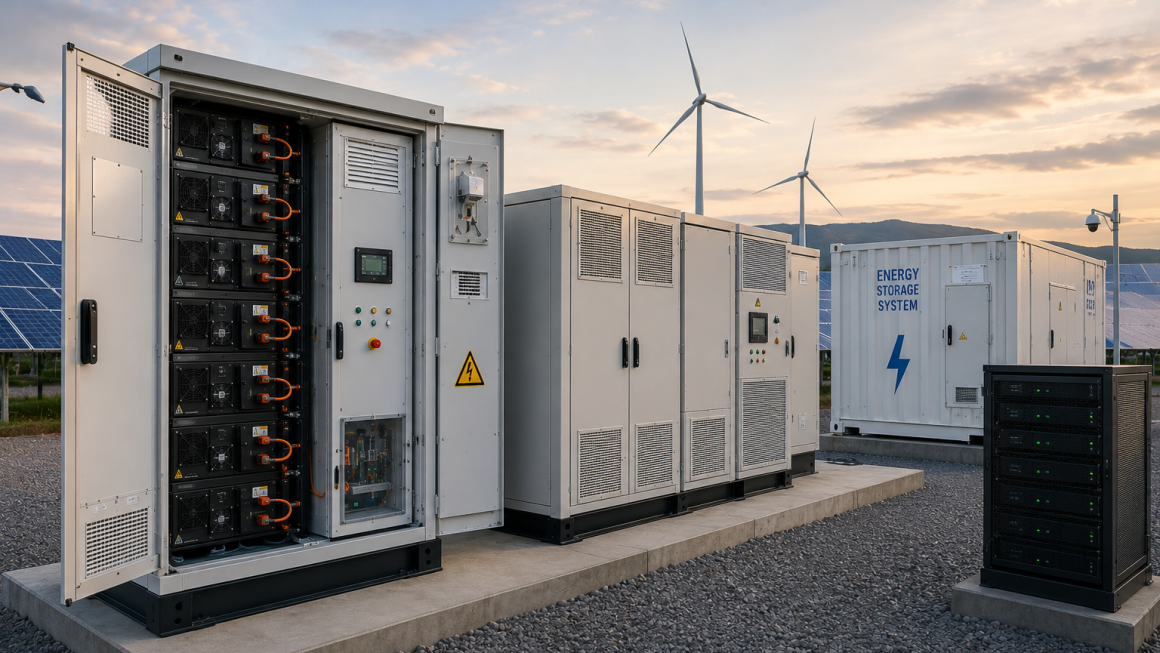
Energy Storage Systems (ESS) are evolving rapidly as renewable energy, electric mobility, industrial electrification, and distributed power systems continue to expand.
Future ESS design will not focus only on increasing battery capacity.
Instead, system developers are increasingly looking at the complete architecture:
- Higher energy density
- Better thermal management
- Modular system design
- Intelligent energy management
- Improved safety
- Longer service life
- Better environmental protection
- Easier maintenance
- Flexible integration with renewable energy
The next generation of ESS will therefore become more modular, intelligent, compact, thermally optimized, and environmentally resilient.
1. Higher Energy Density
One of the most important trends is increasing the amount of stored energy within a smaller physical footprint.
Higher energy density can help reduce:
- Installation space
- Transportation requirements
- Balance-of-system costs
- Site footprint
This is particularly important for:
- Urban energy storage
- Commercial buildings
- Data centers
- Industrial parks
However, higher energy density also increases the importance of thermal management and safety engineering.
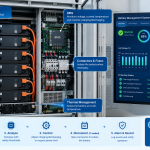
2. Advanced Thermal Management
As battery power and energy density increase, thermal management becomes increasingly important.
Future ESS designs will increasingly use:
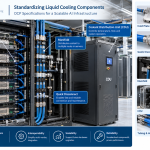
- Liquid cooling
- Cooling plates
- Heat exchangers
- Thermal interface materials
- Advanced airflow management
Liquid cooling is particularly attractive for high-density battery systems because it can provide more controlled heat removal.
A well-designed thermal system should maintain:
- Stable battery temperature
- Low temperature differences between cells
- Efficient heat dissipation
- Long-term battery performance
Thermal management will therefore become an integral part of ESS architecture rather than an auxiliary subsystem.
3. Modular Energy Storage Architecture
Future ESS platforms will increasingly use modular architectures.
Instead of designing one large fixed system, manufacturers can combine standardized modules.
A modular system may include:
Battery Module
↓
Battery Rack
↓
ESS Cabinet
↓
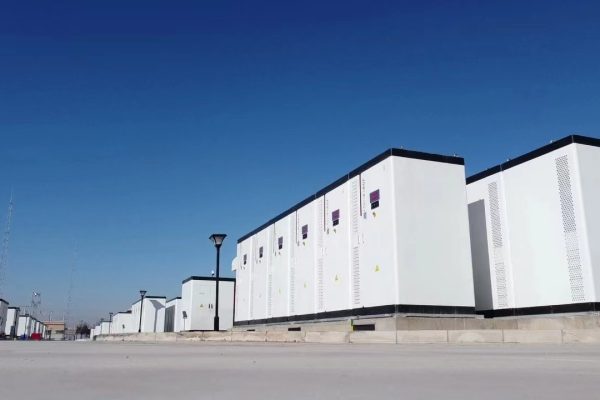
Containerized System
This architecture allows storage capacity to be expanded according to project requirements.
Advantages include:
- Faster installation
- Easier maintenance
- Flexible capacity expansion
- Simplified logistics
- Standardized manufacturing
4. Intelligent Energy Management
Future ESS will become increasingly software-driven.
Energy Management Systems (EMS) will coordinate:
- Battery charging
- Battery discharging
- Renewable generation
- Grid interaction
- Industrial loads
- EV charging
Advanced systems can use real-time operating data and forecasting to optimize energy flows.
The goal is to move from:
Battery Storage
to
Intelligent Energy Storage Infrastructure
5. AI-Assisted Battery Optimization
Artificial intelligence and machine learning are expected to play a growing role in ESS management.
Potential applications include:
- Load forecasting
- Renewable generation prediction
- Battery health prediction
- Charging optimization
- Maintenance planning
By analyzing historical and real-time operating data, intelligent systems can identify abnormal operating conditions before they develop into major failures.
6. Improved Battery Safety
As ESS deployment expands, safety will remain a major design priority.
Future systems will increasingly integrate multiple layers of protection:
- Cell-level monitoring
- Battery Management Systems
- Temperature monitoring
- Thermal management
- Fire detection
- Fault isolation
- Emergency shutdown
Safety will increasingly be designed into the complete system architecture rather than treated as a separate subsystem.
7. Better Thermal and Fire Protection Integration
Thermal management and fire protection will become increasingly interconnected.
A future battery enclosure may combine:
- Battery cooling
- Thermal insulation
- Heat detection
- Ventilation
- Fire suppression
- Pressure management
This integrated approach can improve both safety and system reliability.
8. More Compact ESS Designs
Space is becoming an increasingly important consideration.
Urban and commercial projects often have limited installation space.
Future ESS designs will therefore focus on:
- Compact battery layouts
- Higher rack density
- Integrated PCS
- Integrated cooling
- Reduced wiring complexity
This trend is particularly important for:
- Urban ESS
- Data centers
- Telecom infrastructure
- Commercial buildings
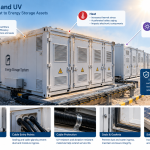
9. Improved Outdoor and Environmental Protection
Many ESS systems operate outdoors.
Future designs will need to withstand:
- High temperatures
- Humidity
- UV exposure
- Dust
- Rain
- Salt spray
- Industrial pollutants
Protection strategies will increasingly combine:
- Corrosion-resistant materials
- Advanced coatings
- Protective covers
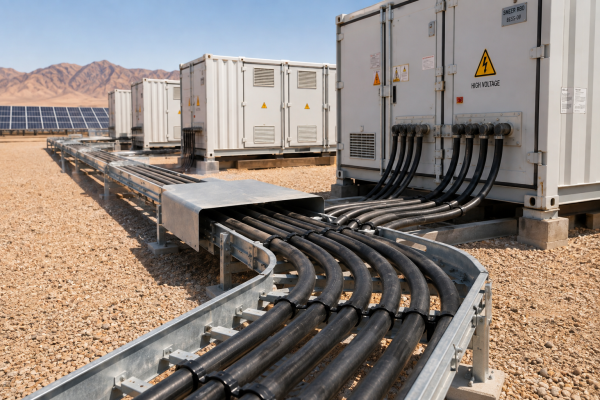
- Sealed cable entries
- Weather-resistant enclosures
- Drainage systems
For coastal projects, corrosion protection will become particularly important.
10. Lightweight Structural Materials
As ESS systems become larger and more modular, structural materials will also evolve.
Aluminum is attractive for selected ESS components because of its:
- Low weight
- Corrosion resistance
- Good thermal conductivity
- Fabrication flexibility
Potential applications include:
- Battery enclosure components
- Structural frames
- Protective covers
- Cooling components
- Mounting structures
Material selection will increasingly consider the complete balance between:
Weight + Strength + Thermal Performance + Corrosion Resistance + Cost
11. Advanced Cable and Connection Systems
Future ESS architectures will require increasingly reliable electrical and thermal connections.
Protection will become more important for:
- Power cables
- Communication cables
- Cooling pipes
- Quick disconnect couplings
- Cable glands
- Electrical connectors
Modular systems will also require easier connection and disconnection during:
- Installation
- Maintenance
- Battery replacement
- System expansion
This will drive demand for more modular connection technologies.
12. Liquid Cooling for High-Power ESS
Liquid cooling is likely to become increasingly important for high-power and high-density energy storage.
Compared with traditional air cooling, liquid cooling can provide:
- More efficient heat transfer
- Better temperature uniformity
- More compact thermal systems
- Improved control of high-power battery racks
The cooling architecture may integrate:
- Cooling plates
- Manifolds
- Pumps
- Heat exchangers
- Quick disconnect couplings
This creates a direct connection between battery design and fluid-management technology.
13. Greater Integration With Renewable Energy
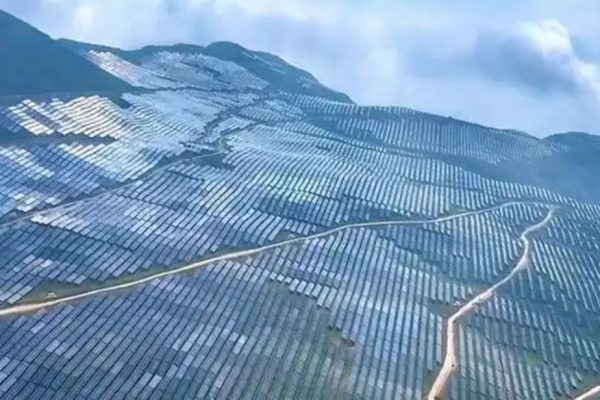
Future ESS will increasingly be designed together with renewable generation rather than installed as a completely independent system.
Typical architectures will combine:
Solar PV
Wind Power
Battery Storage
EMS
Grid
This allows energy storage to:
- Store excess renewable electricity
- Reduce renewable curtailment
- Shift energy to peak periods
- Improve microgrid flexibility
14. Distributed and Modular Storage
Energy storage will increasingly move from centralized systems toward distributed architectures.
Multiple smaller ESS units can operate across:
- Industrial parks
- Commercial buildings
- EV charging networks
- Microgrids
- Telecom infrastructure
Distributed storage can improve:
- Scalability
- Resilience
- Local energy utilization
- System flexibility
15. Easier Maintenance and Serviceability
Future ESS designs will increasingly consider the entire lifecycle of the system.
Maintenance-friendly designs may include:
- Modular battery racks
- Replaceable components
- Quick disconnect systems
- Accessible cable connections
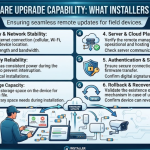
- Remote diagnostics
- Predictive maintenance
This can reduce:
- Maintenance time
- Downtime
- Labor requirements
Serviceability will become an important part of the initial ESS design process.
16. Longer System Lifetime
Future ESS development will increasingly focus on total lifecycle value rather than simply initial capacity.
Design improvements may include:
- Better thermal control
- Improved battery management
- Optimized charging strategies
- Predictive maintenance
- Replaceable modules
The objective is to maximize usable energy and maintain system performance over a longer operating period.
17. Second-Life and Reconfigurable Battery Systems
As battery technology develops, retired EV batteries and other used battery systems may increasingly be considered for stationary energy storage applications where appropriate.
Potential applications include:
- Backup power
- Distributed storage
- Commercial energy management
- Low-cost renewable storage
This will require reliable battery health assessment, safety management, and modular system architecture.
18. Standardized and Scalable ESS Platforms
Future ESS manufacturers are likely to develop standardized platforms that can be configured for different applications.
A common platform could be adapted for:
- C&I ESS
- Microgrids
- Renewable energy storage
- Telecom backup
- EV charging infrastructure
This approach can improve:
- Manufacturing efficiency
- Supply-chain management
- Installation speed
- Product consistency
19. ESS as an Integrated Energy Platform
The most important long-term trend may be the transition from battery storage equipment to integrated energy platforms.
A future ESS can combine:
Battery
PCS
EMS
Thermal Management
Fire Protection
Environmental Protection
Renewable Energy
EV Charging
The system becomes an active part of the energy infrastructure rather than simply a container for batteries.
20. What Will Future ESS Design Look Like?
The future ESS will likely be:
More Compact
→ Higher energy density
More Intelligent
→ AI-assisted monitoring and EMS
More Modular
→ Easier expansion and maintenance
More Thermally Efficient
→ Advanced liquid cooling
Safer
→ Multi-layer monitoring and protection
More Environmentally Resistant
→ Better corrosion and weather protection
More Integrated
→ Renewable + Storage + Grid + Loads
The future of Energy Storage System design is moving beyond simply adding more battery capacity.
Next-generation ESS will combine:
- High energy density
- Advanced thermal management
- Modular architecture
- Intelligent EMS
- AI-assisted monitoring
- Improved safety
- Environmental protection
- Flexible connection systems
- Renewable energy integration
At the physical level, battery racks, enclosures, cooling systems, protective covers, cable assemblies, and structural components will increasingly be designed as one integrated platform.
At the software level, EMS, BMS, monitoring, forecasting, and predictive maintenance will make energy storage systems increasingly intelligent.
The result will be a new generation of ESS that is more compact, more reliable, easier to maintain, and better integrated with modern energy infrastructure.