
As energy storage expands into urban infrastructure, distributed systems, and mobile platforms, space constraints have become a defining design challenge. Compact energy storage modules are engineered to deliver high performance within limited physical footprints—without compromising safety, efficiency, or scalability.
Why Compact Energy Storage Matters
In many real-world applications, available installation space is restricted:
- Urban buildings and residential systems
- Telecom base stations and edge infrastructure
- Marine, RV, and mobile platforms
- Industrial retrofits with limited layout flexibility
Compact modules enable deployment in these environments while maintaining reliable energy delivery.
Key Design Objectives
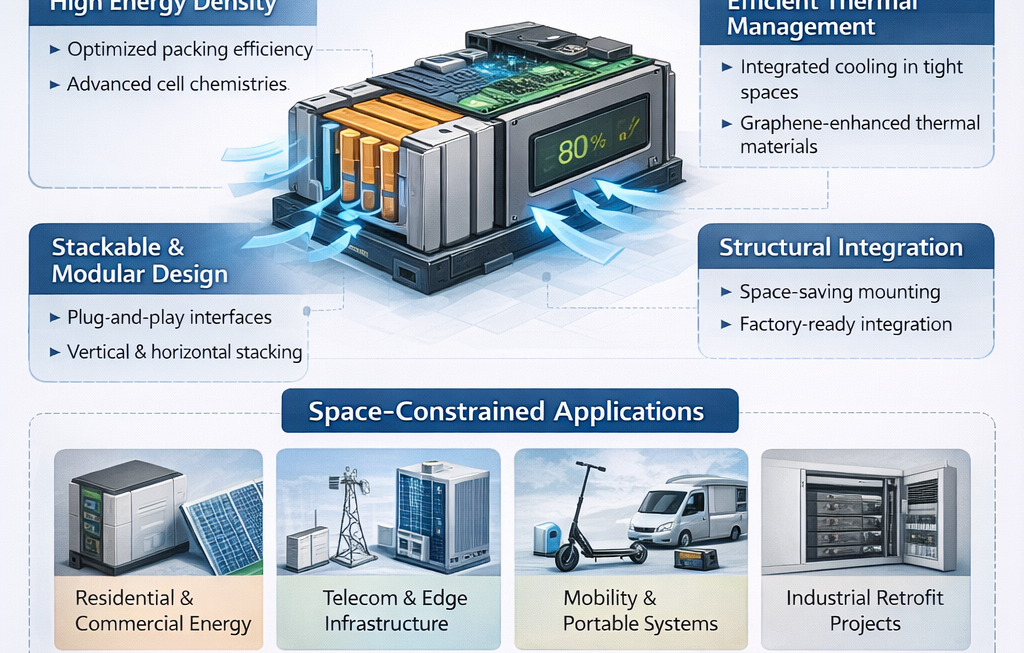
1. High Energy Density
Maximizing energy per unit volume (Wh/L) is critical. This is achieved through:
- Advanced cell chemistries (LFP, NMC, next-gen solid-state)
- Optimized packing efficiency
- Reduced inactive materials (housing, spacing, connectors)
2. Efficient Thermal Management in Tight Spaces
Compact designs intensify thermal challenges due to limited airflow and higher heat concentration.
Solutions include:
- Integrated liquid cooling plates
- High-performance thermal interface materials (TIMs)
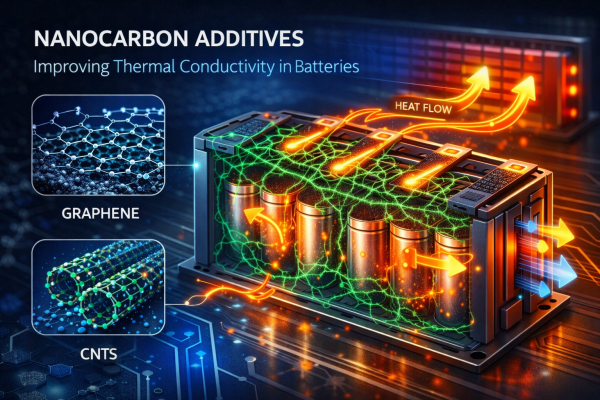
- Graphite or graphene-based heat spreaders
- Passive + active hybrid cooling strategies
3. Modular and Stackable Architecture
To maintain flexibility:
- Standardized module sizes
- Vertical or horizontal stacking capability
- Plug-and-play electrical and thermal interfaces
This allows systems to scale even in constrained layouts.
4. Structural Integration
Compact modules often serve dual functions:
- Structural battery concepts (load-bearing designs)
- Integration into cabinets, walls, or equipment enclosures
- Reduced need for external mounting systems
Core Technologies Enabling Compact Design
1. Advanced Cell Formats
- Prismatic and pouch cells improve packing density
- Tabless cylindrical cells reduce internal resistance and heat
2. Integrated Battery Management Systems (BMS)
Compact modules require highly integrated electronics:
- Embedded BMS boards
- Wireless monitoring options
- Reduced wiring complexity
3. Carbon-Based Thermal Materials
- Graphene-enhanced TIMs
- Flexible graphite sheets
- CNT-based conductive networks
These materials improve heat dissipation without adding bulk.
4. High-Voltage Compact Architectures
Using higher voltage (e.g., 400V–800V) reduces current and:
- Minimizes conductor size
- Improves overall system efficiency
- Enables smaller module footprint
Typical Applications
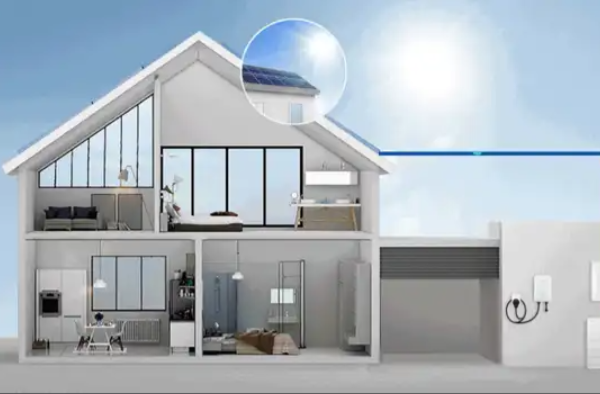
1. Residential & Commercial Energy Storage
- Wall-mounted battery systems
- Behind-the-meter installations
- Space-limited electrical rooms
2. Telecom & Edge Infrastructure
- Backup power for 5G base stations
- Edge data centers with limited rack space
3. Mobility and Portable Systems
- Electric scooters and light EVs
- Marine and RV energy systems
- Portable power units
4. Industrial Retrofit Projects
- Factory upgrades with constrained layouts
- Integration into existing cabinets or control systems
Design Challenges
Thermal Hotspots
Limited space increases the risk of uneven temperature distribution.
Safety and Isolation
Compact layouts require careful insulation and spacing design.
Maintenance Accessibility
Smaller systems can be harder to service without modular planning.
Manufacturing Complexity
Tighter tolerances demand higher precision in assembly and quality control.
Emerging Trends
1. Ultra-Compact Module Design
Driven by urbanization and distributed energy systems.
2. Integration with Smart Energy Systems
Compact modules are increasingly connected to EMS platforms for real-time optimization.
3. Lightweight and Multi-Functional Materials
Combining structural strength with thermal and electrical performance.
4. Pilot-Scale Customization
More customers are requesting tailored module designs validated through pilot production lines before scaling.
Best Practices for Space-Constrained Projects
- Prioritize thermal design early in development
- Use high-efficiency materials to reduce volume overhead
- Design for modularity and easy installation
- Validate performance under real operating conditions
- Consider lifecycle maintenance during layout planning
Compact energy storage modules are essential for deploying energy systems in space-constrained environments. By combining high energy density, advanced thermal management, and modular architecture, these solutions enable flexible and efficient integration across a wide range of applications.
As demand grows for distributed and intelligent energy systems, compact module design will continue to evolve—balancing performance, safety, and spatial efficiency in increasingly complex deployment scenarios.