
Why Thermal Protection Matters in Outdoor BESS Installations
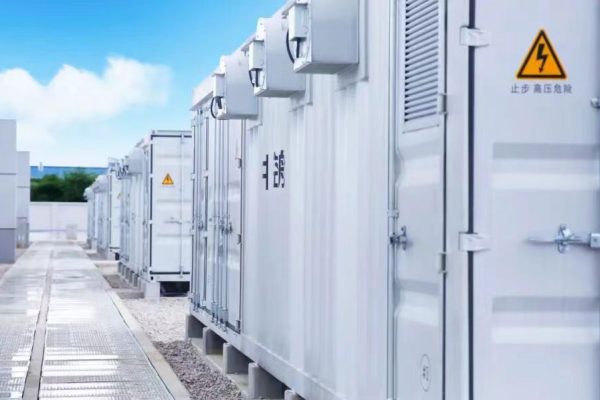
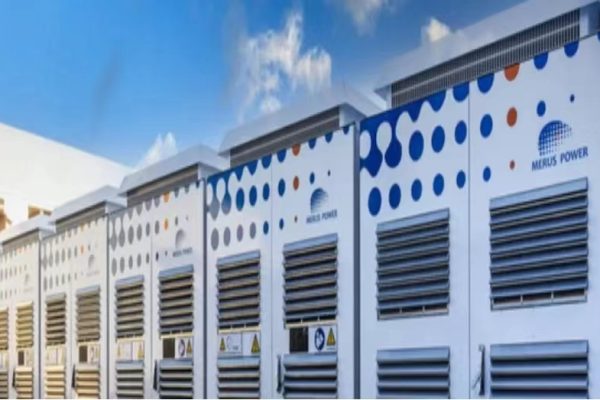
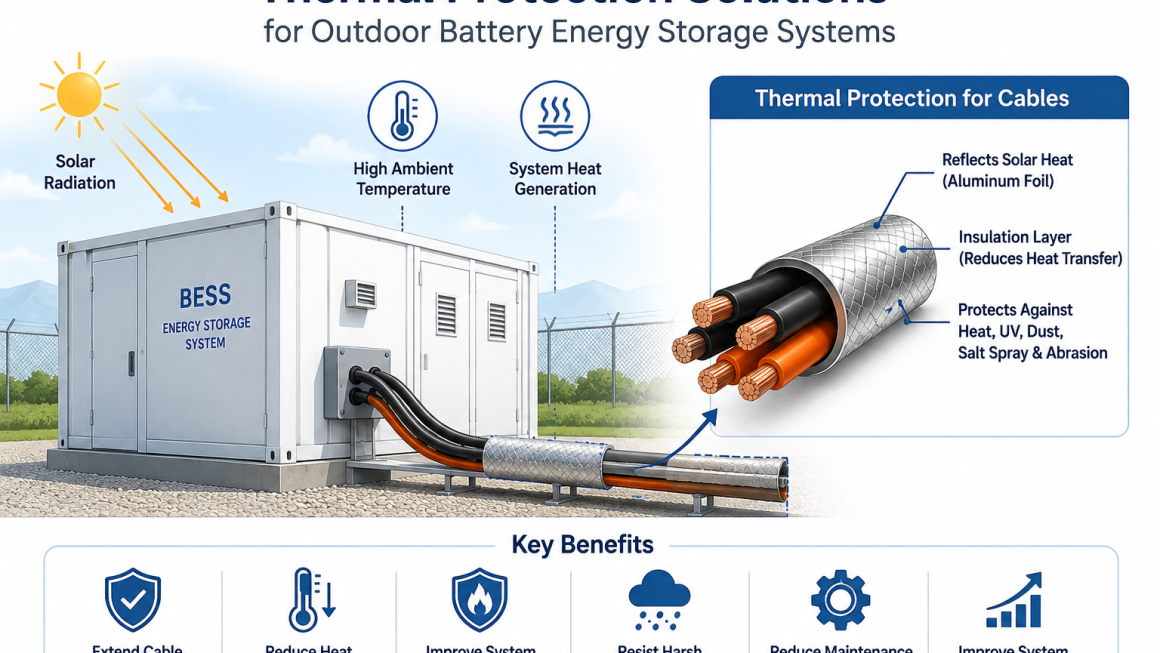
As Battery Energy Storage Systems (BESS) continue to expand worldwide, more projects are being deployed in outdoor environments exposed to direct sunlight, high ambient temperatures, wind, dust, humidity, and salt spray.
While batteries often receive the most attention, thermal stress affects many critical components throughout the system, including:
- Power cables
- Signal cables
- Busbars
- Connectors
- Junction boxes
- Power distribution equipment
Without proper thermal protection, prolonged heat exposure can accelerate material aging, reduce system reliability, and increase maintenance costs.
For system integrators and project developers, thermal protection has become an essential part of long-term BESS performance.
Common Outdoor Thermal Challenges
Outdoor energy storage installations face several heat-related challenges simultaneously.
Direct Solar Radiation
Container surfaces can absorb significant solar energy during daylight hours.
As enclosure temperatures rise, heat is transferred to nearby electrical components and cable assemblies.
In hot climates, enclosure surface temperatures may exceed 60°C.
High Ambient Temperatures
Many utility-scale BESS projects are located in regions where ambient temperatures regularly exceed 40°C.
Examples include:
- Middle East energy storage projects
- Australian solar-plus-storage installations
- Southeast Asian industrial facilities
- Desert renewable energy developments
These conditions create continuous thermal stress on cables and electrical equipment.
Heat Generated by System Operation
In addition to environmental heat, energy storage systems generate heat internally.
Major heat sources include:
- Battery charging and discharging
- Inverters and PCS units
- Busbar systems
- Power distribution equipment
Combined with high ambient temperatures, internal heat can create localized hot spots.
Risks Associated with Inadequate Thermal Protection
Without proper protection, outdoor BESS installations may experience:
Accelerated Cable Aging
High temperatures gradually degrade insulation materials, reducing cable service life.
Potential consequences include:
- Cracking
- Hardening
- Loss of flexibility
- Electrical leakage
Reduced System Efficiency
As conductor temperatures rise, electrical resistance increases.
Higher resistance leads to:
- Increased energy losses
- Additional heat generation
- Reduced operational efficiency
Increased Maintenance Requirements
Heat-related degradation often results in:
- More frequent inspections
- Earlier component replacement
- Higher operating costs
Safety Concerns
Extreme temperatures can contribute to:
- Insulation failure
- Arc faults
- Short circuits
- Fire hazards
This makes thermal protection an important element of overall system safety.
Thermal Protection Solutions for Outdoor BESS
Rather than relying on a single protection method, most successful projects use multiple layers of thermal management.
Solution 1: Reflective Thermal Barriers
Radiant heat from sunlight can significantly increase enclosure temperatures.
Reflective thermal barriers help reduce heat absorption by:
- Reflecting solar radiation
- Lowering surface temperatures
- Reducing thermal load on internal components
This approach is commonly used on:
- Battery containers
- Outdoor electrical cabinets
- Cable routing areas
Solution 2: Thermal Protection Sleeves for Cables
Power and communication cables often operate near heat-generating equipment.
Thermal protection sleeves provide additional protection against:
- Radiant heat
- Elevated ambient temperatures
- Mechanical abrasion
- UV exposure
Benefits include:
- Extended cable lifespan
- Improved reliability
- Reduced maintenance requirements
Solution 3: Aluminum Foil Fiberglass Sleeves
For outdoor energy storage applications, aluminum foil fiberglass sleeves offer a combination of thermal and environmental protection.
Key advantages:
- Reflect radiant heat
- Provide insulation
- Resist weather exposure
- Support long-term outdoor operation
These sleeves are commonly installed around:
- DC power cables
- AC power cables
- Control cable bundles
Solution 4: Silicone-Coated Fiberglass Protection
In harsher environments, silicone-coated fiberglass sleeves provide additional performance.
Advantages include:
- Higher temperature resistance
- Improved durability
- Better moisture resistance
- Enhanced environmental protection
Suitable applications include:
- Coastal BESS projects
- Desert installations
- Industrial energy storage systems
Solution 5: Environmental Protection Combined with Thermal Protection
One common misconception is that thermal protection only involves heat resistance.
In reality, outdoor BESS projects often require protection against multiple environmental factors simultaneously.
Typical design requirements include:
- Heat resistance
- Dust protection
- Salt spray resistance
- UV resistance
- Abrasion resistance
- Flame retardancy
The most effective solutions combine several protective functions into a single cable protection system.
Selecting the Right Thermal Protection Solution
When evaluating thermal protection products for outdoor BESS projects, engineers should consider:
| Requirement | Importance |
|---|---|
| Temperature Resistance | Prevents thermal degradation |
| UV Resistance | Supports outdoor operation |
| Flame Retardancy | Improves safety |
| Mechanical Protection | Reduces wear and damage |
| Salt Spray Resistance | Important for coastal regions |
| Installation Flexibility | Simplifies maintenance |
The optimal solution depends on the project’s environmental conditions and system design.
Outdoor Battery Energy Storage Systems operate in increasingly demanding environments where thermal stress can significantly impact reliability and service life.
By implementing effective thermal protection strategies—including reflective barriers, thermal insulation sleeves, and multi-functional cable protection systems—developers can reduce heat-related failures, improve safety, and extend the lifespan of critical infrastructure.
As BESS deployments continue to grow worldwide, thermal protection is becoming a key consideration not only for performance, but also for long-term operational sustainability.