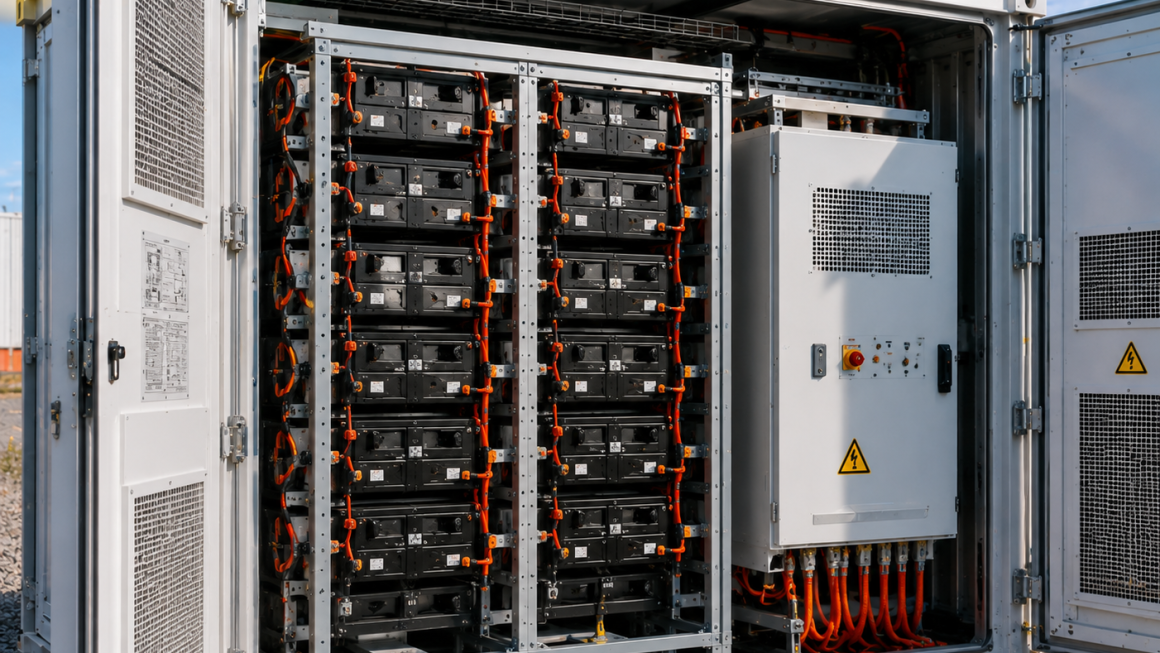
Why Mechanical Stability Matters in Outdoor BESS
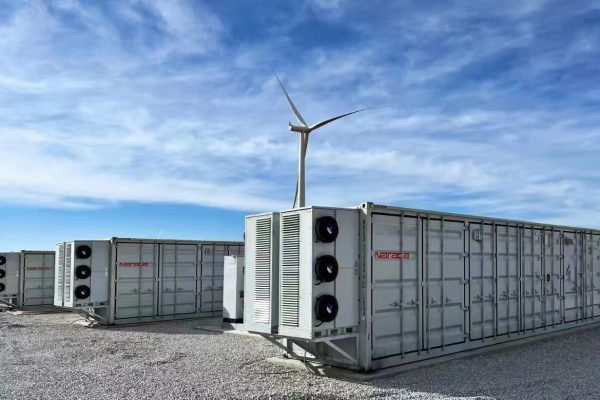
Battery Energy Storage Systems (BESS) are increasingly deployed in challenging environments, including deserts, coastal areas, industrial zones, and remote renewable energy sites.
While thermal management and fire protection receive significant attention, mechanical stability is another critical factor that determines long-term system reliability.
A battery storage system must maintain structural integrity throughout years of operation while facing:
- Vibration
- Thermal expansion and contraction
- Wind loads
- Transportation stress
- Mechanical impact
- Corrosive environments
Mechanical stability is therefore not only a structural concern—it directly affects electrical safety, thermal performance, and maintenance requirements.
The Hidden Mechanical Challenges in Energy Storage Systems
Large-scale BESS installations contain thousands of interconnected components.
Even small mechanical changes can influence system performance over time.
1. Vibration and Mechanical Stress
Outdoor energy storage systems may experience vibration from:
- Transportation and installation
- Cooling fans and pumps
- Nearby industrial equipment
- Wind-induced movement
Continuous vibration may lead to:
- Loose electrical connections
- Connector wear
- Cable fatigue
- Fastener degradation
Reliable mechanical design helps maintain stable connections throughout the system lifecycle.
2. Thermal Expansion and Contraction
Temperature changes create repeated expansion and contraction of materials.
This occurs in:
- Battery modules
- Rack structures
- Cable assemblies
- Metal enclosures
- Cooling components
Different materials expand at different rates, creating mechanical stress at connection points.
Proper mechanical design must consider:
- Material selection
- Expansion allowance
- Flexible connections
- Mounting structures
3. Transportation and Installation Loads
Before reaching the final site, BESS equipment experiences multiple handling stages:
- Factory assembly
- Shipping
- Crane lifting
- Site installation
During these processes, structural components must withstand temporary mechanical forces without deformation.
Important design factors include:
- Frame strength
- Module fixation
- Shock resistance
- Packaging protection
4. Environmental Mechanical Stress
Outdoor installations face additional challenges:
Wind Loading
Large containers and cabinets may experience continuous wind pressure.
Dust and Sand
Particles can accelerate wear on moving and sealing components.
Humidity and Corrosion
Corrosion weakens structural components over time and reduces mechanical reliability.
Key Areas Where Mechanical Stability Is Required
Battery Rack Structures
Battery racks provide the foundation for module support.
A reliable rack design must ensure:
- Load distribution
- Module alignment
- Vibration resistance
- Long-term dimensional stability
Common materials include:
- Steel structures
- Aluminum profiles
- Reinforced composite components
Module Mounting Systems
Battery modules require precise positioning.
Poor mechanical alignment may cause:
- Connector stress
- Cooling interface problems
- Installation difficulties
Guide pins and positioning structures help achieve repeatable assembly accuracy.
Cable Assemblies and Connections
Electrical reliability depends heavily on mechanical stability.
Cable systems must withstand:
- Vibration
- Thermal cycling
- Pulling forces
- Repeated maintenance operations
Protection solutions include:
- Cable supports
- Protective sleeves
- Flexible routing systems
- Strain relief components
Enclosure and Structural Protection
Outdoor BESS enclosures must provide:
- Mechanical protection
- Weather resistance
- Corrosion protection
- Structural durability
Protective coatings and surface treatments help extend enclosure service life.
Materials Supporting Mechanical Reliability
Modern energy storage systems increasingly use advanced materials to improve durability.
Aluminum Structural Components
Advantages:
- Lightweight
- Corrosion resistance
- Easy modular integration
Suitable for applications where weight reduction is important.
Steel Structures
Advantages:
- High strength
- Excellent load-bearing capability
- Mature manufacturing processes
Commonly used in large-scale battery racks and containers.
Composite Materials
Advanced composites provide:
- High strength-to-weight ratio
- Corrosion resistance
- Design flexibility
They are increasingly considered for next-generation energy storage structures.
Mechanical Stability and System Reliability
Mechanical stability influences several important aspects of BESS performance.
Electrical Reliability
Stable structures help maintain:
- Connector integrity
- Grounding continuity
- Cable performance
Thermal Reliability
Proper mechanical design supports:
- Cooling airflow
- Module spacing
- Heat dissipation pathways
Safety Performance
Mechanical integrity reduces risks associated with:
- Loose connections
- Damaged components
- Structural deformation
Design Strategies for Harsh Environments
To improve mechanical stability, engineers typically combine several approaches:
Robust Structural Design
Using appropriate materials, reinforcement methods, and load calculations.
Flexible Connection Design
Allowing controlled movement caused by thermal expansion and vibration.
Corrosion Protection
Applying:
- Protective coatings
- Surface treatments
- Weather-resistant materials
Modular Maintenance Design
Ensuring components can be inspected, replaced, and serviced efficiently.
Future Trends in BESS Mechanical Design
As energy storage systems become larger and more powerful, mechanical design is becoming increasingly sophisticated.
Future developments may include:
- Lightweight aluminum rack systems
- Smart structural monitoring
- Advanced composite materials
- Integrated mechanical and thermal design
- Modular chassis architectures
The next generation of BESS will require structures that are not only strong but also intelligent, lightweight, and adaptable.
Mechanical stability is a fundamental requirement for reliable Battery Energy Storage Systems operating under harsh conditions.
While thermal management and fire protection address critical safety challenges, mechanical reliability ensures that the entire system continues to perform over years of operation.
By combining robust structures, durable materials, reliable connections, and environmental protection strategies, modern BESS designs can achieve higher reliability, lower maintenance requirements, and longer service life.
As energy storage deployments expand globally, mechanical stability will remain a key factor in building safer and more resilient energy infrastructure.