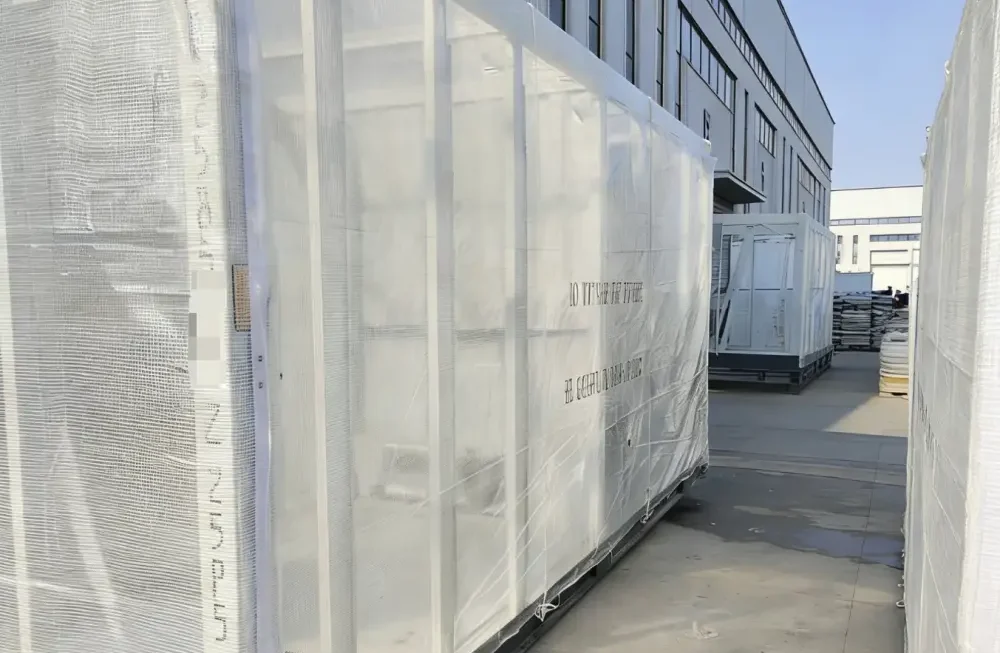
Why Energy Storage Systems Need External Protection
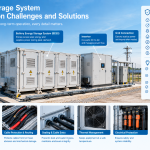
As Battery Energy Storage Systems (BESS) are deployed in increasingly harsh outdoor environments, thermal management challenges are no longer limited to internal components such as batteries, PCS units, or cables.
External environmental exposure has become a major factor affecting system reliability and service life.
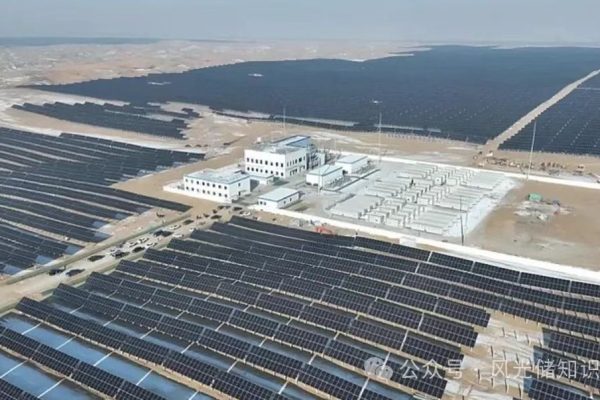
In particular, high-temperature environments caused by direct solar radiation, desert climates, and enclosed installation conditions can significantly increase the thermal load on energy storage equipment.
To address this challenge, energy storage covers are increasingly used as an external passive protection solution.
What Causes High Temperature Stress in Outdoor BESS
Outdoor energy storage systems are exposed to multiple heat sources simultaneously:
Solar Radiation
Direct sunlight is the most significant external heat source.
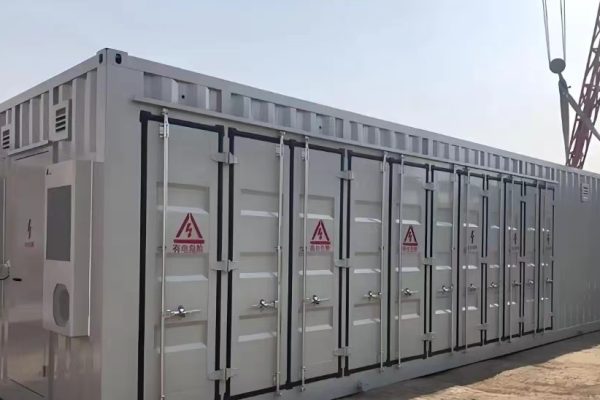
Metal surfaces of containers and cabinets absorb solar energy, leading to surface temperatures far above ambient air temperature.
High Ambient Temperature
In regions such as:
- Middle East deserts
- Australia inland regions
- Southeast Asia
- Industrial coastal zones
ambient temperatures frequently exceed 40°C, creating continuous thermal stress.
Internal Heat Transfer
Heat generated inside the system (PCS, batteries, power electronics) is transferred outward, combining with external heat to increase overall temperature levels.
Risks of Unprotected Energy Storage Systems
Without external thermal protection, several issues may occur:
Accelerated Component Aging
High temperatures can shorten the lifespan of:
- Battery modules
- Cable insulation
- Electronic control systems
- Connectors and seals
Reduced System Efficiency
Higher temperatures increase resistance in electrical systems, leading to:
- Energy loss
- Higher cooling demand
- Lower overall system efficiency
Increased Maintenance Costs
Thermal stress leads to:
- More frequent inspections
- Higher replacement rates
- Shorter maintenance intervals
Higher Safety Risks
Extreme temperatures may contribute to:
- Insulation failure
- Connector degradation
- Localized overheating
- Fire risk under extreme conditions
What Are Energy Storage Covers?
Energy storage covers are external protective layers designed to reduce heat exposure and improve environmental resistance for BESS installations.
They function as a passive thermal barrier between the external environment and the energy storage system.
Unlike active cooling systems, covers do not consume energy but reduce heat absorption at the source.
Key Functions of Energy Storage Covers
Solar Radiation Reflection
Reflective surface materials help reduce heat absorption from direct sunlight.
This significantly lowers surface temperatures of containers and cabinets.
Thermal Insulation
Multi-layer insulation structures reduce heat transfer into the system.
Common structures include:
- Reflective outer layer
- Thermal insulation middle layer
- Protective inner layer
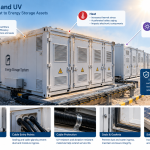
UV and Weather Protection
Outdoor covers also protect against:
- UV radiation
- Rain and humidity
- Dust and sand
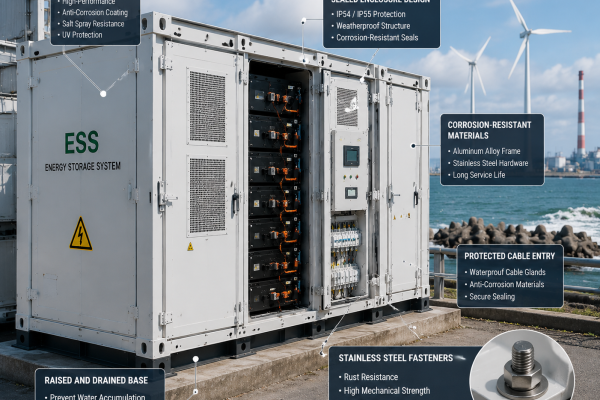
- Coastal salt exposure
Wind and Sand Protection
In desert environments, covers help reduce abrasion and contamination caused by wind-blown particles.
Material Systems Used in Energy Storage Covers
Different environments require different material combinations.
Reflective Aluminum Composite Layers
- High solar reflectivity
- Lightweight structure
- Common in desert applications
Fiberglass Reinforced Insulation Layers
- Good thermal stability
- High mechanical strength
- Suitable for long-term outdoor use
Polymer Coating Systems
- UV resistance
- Water resistance
- Flexible installation
Multi-Layer Composite Structures
Advanced designs combine:
- Reflective foil layers
- Insulation foam or fiber layers
- Protective outer coatings
This creates a balanced system of thermal control and durability.
System-Level Benefits of Energy Storage Covers
Lower Internal Operating Temperature
By reducing external heat input, internal system temperature becomes easier to manage.
Extended Equipment Lifespan
Lower thermal stress improves longevity of:
- Batteries
- PCS units
- Cable assemblies
- Connectors
Reduced Cooling System Load
Active cooling systems consume less energy when external heat is reduced.
Improved Reliability in Extreme Environments
Energy storage covers are particularly effective in:
- Desert solar + storage projects
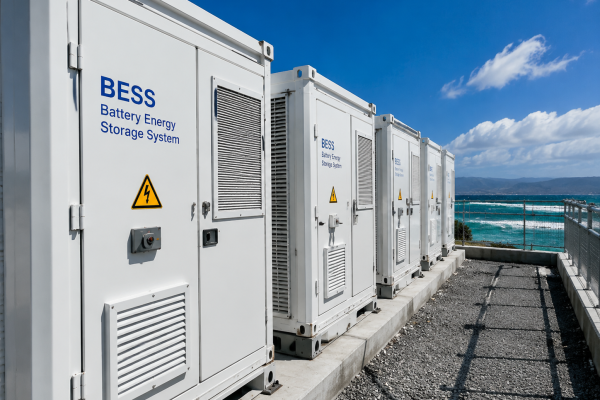
- Offshore or coastal installations
- High-temperature industrial zones
Integration with Overall BESS Protection Strategy
Energy storage covers are not standalone solutions.
They are part of a multi-layer protection system that includes:
- Internal thermal insulation materials
- Cable protection sleeves
- Liquid cooling systems
- PCS thermal shielding
- Rack-level thermal management
Together, these systems form a complete thermal protection architecture for modern BESS installations.
Future Trends in Energy Storage Covers
Future developments are expected to focus on:
- Lightweight composite structures
- Higher reflectivity coatings
- Integrated thermal monitoring layers
- Modular installation systems
- Smart temperature-responsive materials
As BESS deployments expand globally, external thermal protection will become a standard part of system design rather than an optional add-on.
High-temperature environments pose a significant challenge for outdoor energy storage systems.
Energy storage covers provide an effective passive solution to reduce solar heat exposure, lower system temperature, and improve long-term reliability.
By integrating reflective, insulating, and weather-resistant material systems, these covers help protect critical components and extend the overall lifespan of Battery Energy Storage Systems.
As the industry continues to move toward higher-density and outdoor-deployed systems, external thermal protection will play an increasingly important role in ensuring stable and efficient operation.