
As energy systems become more decentralized and renewable-driven, microgrids are emerging as a critical solution for improving energy resilience, flexibility, and local power independence. At the center of modern microgrids are energy storage systems, which help balance power generation and consumption while ensuring stable operation under both grid-connected and off-grid conditions.
Microgrid energy storage systems are now widely used across industrial facilities, remote communities, renewable energy projects, campuses, military bases, and critical infrastructure applications.
What Is a Microgrid Energy Storage System?
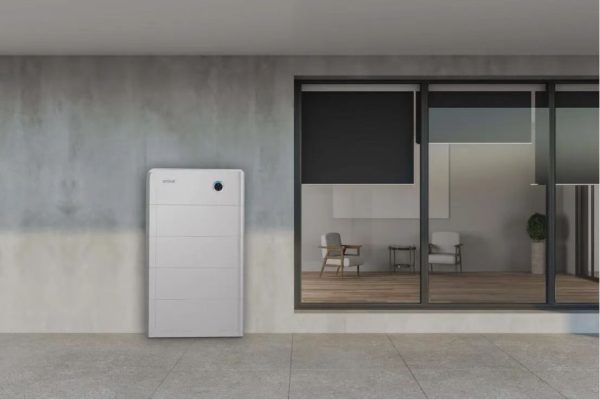
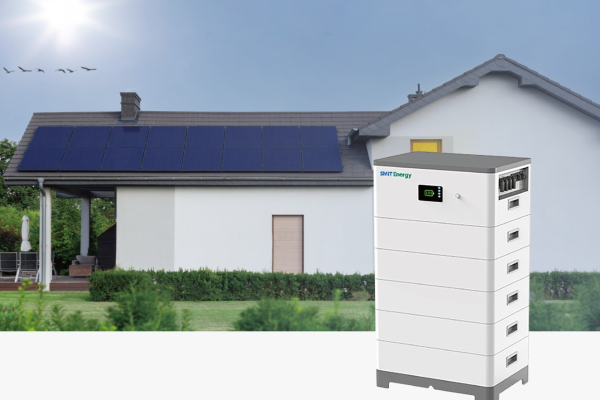
A microgrid energy storage system is a battery-based energy solution integrated within a localized power network.
A typical microgrid may include:
- Solar PV systems
- Wind generation
- Diesel generators
- Battery energy storage systems (BESS)
- Power conversion systems
- Intelligent energy management systems
The storage system acts as the balancing and stabilization core of the microgrid.
Why Energy Storage Is Essential in Microgrids
Renewable energy generation is intermittent:
- Solar depends on sunlight
- Wind depends on weather conditions
Energy storage solves this challenge by:
- Storing excess renewable energy
- Delivering power when renewable generation decreases
- Stabilizing the microgrid during load fluctuations
Without storage, renewable-based microgrids become significantly less stable and flexible.
Main Functions of Microgrid Energy Storage
1. Renewable Energy Balancing
Energy storage smooths renewable fluctuations and improves renewable utilization.
Example:
- Store solar energy during daytime
- Supply energy during nighttime or cloudy conditions
2. Backup Power and Resilience
Microgrid ESS provides:
- Emergency backup power
- Black start capability
- Continuous operation during utility outages
This is especially important for:
- Hospitals
- Data centers
- Remote industrial facilities
- Military infrastructure
3. Peak Load Management
Battery systems reduce:
- Peak demand stress
- Generator loading
- Grid dependency
4. Frequency and Voltage Stabilization
Storage systems respond rapidly to:
- Sudden load changes
- Renewable intermittency
- Voltage and frequency fluctuations
5. Off-Grid and Islanded Operation
Microgrids can operate independently from the utility grid using:
- Renewable generation
- Battery storage
- Intelligent EMS coordination
Core Components of Microgrid ESS
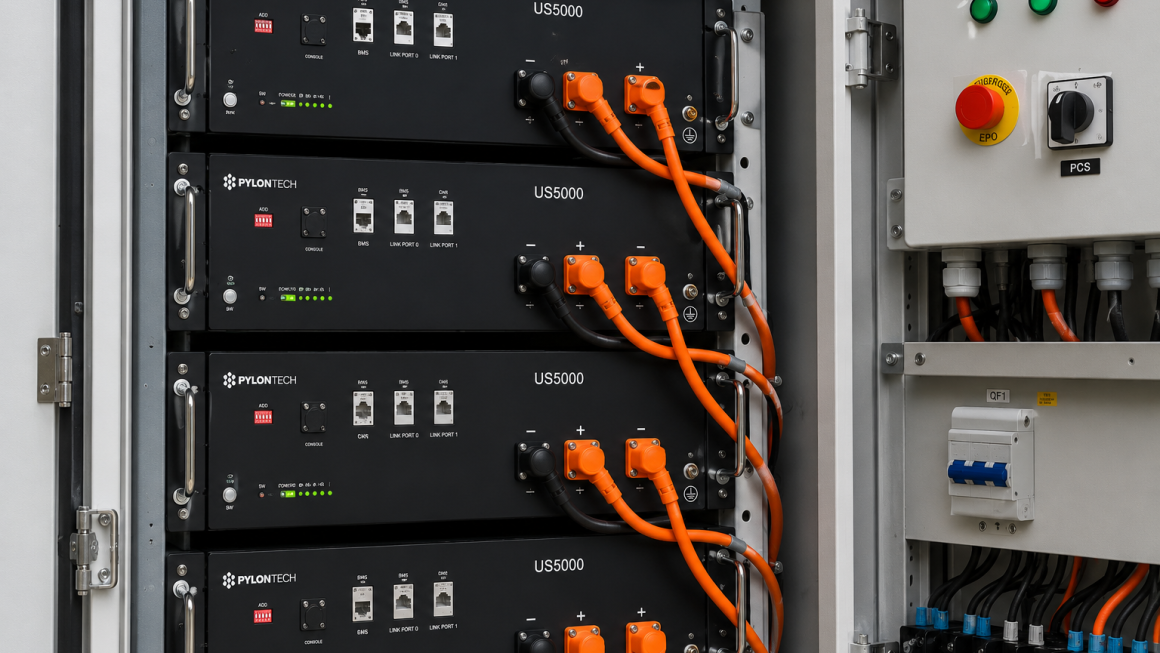
1. Battery Energy Storage System (BESS)
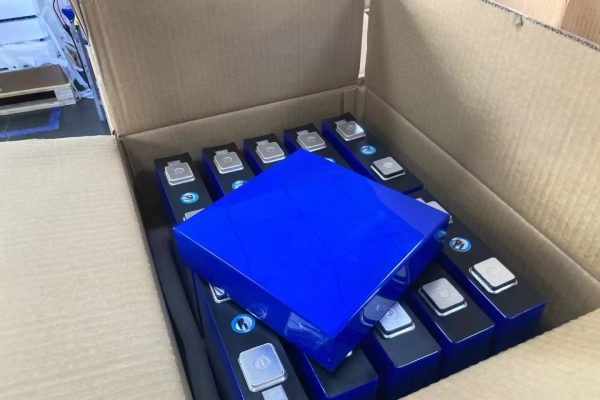
The battery system stores electrical energy for later use.
Common battery chemistries:
- LFP (Lithium Iron Phosphate)
- NMC (Nickel Manganese Cobalt)
- Emerging sodium-ion technologies
Battery architecture includes:
- Cells
- Modules
- Packs and racks
- High-voltage DC systems
2. Power Conversion System (PCS)
The PCS manages:
- DC ↔ AC conversion
- Grid synchronization
- Bidirectional energy flow
- Charging and discharging control
3. Battery Management System (BMS)
The BMS performs:
- Cell monitoring
- Thermal management coordination
- Voltage balancing
- Safety protection and diagnostics
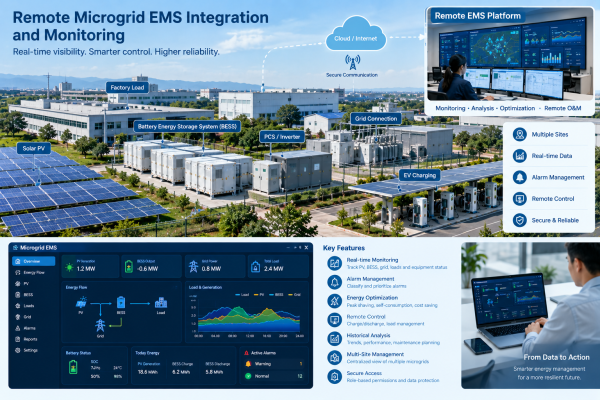
4. Energy Management System (EMS)
The EMS acts as the intelligence layer of the microgrid.
It optimizes:
- Renewable energy dispatch
- Load management
- Generator coordination
- Battery charging strategies
- Grid interaction
AI-based EMS platforms are increasingly common.
5. Thermal Management System
Microgrid ESS requires stable thermal operation for:
- Safety
- Performance consistency
- Long battery lifespan
Cooling solutions may include:
- Air cooling
- HVAC systems
- Liquid cooling architectures
Types of Microgrid Energy Storage Applications
Remote Communities
Microgrids reduce dependence on diesel fuel and improve local energy access.
Industrial and Mining Sites
ESS supports:
- Stable power supply
- Renewable integration
- Reduced generator fuel consumption
Commercial Campuses
Applications include:
- Backup power
- Energy optimization
- Renewable self-consumption
Military and Critical Infrastructure
Microgrids provide:
- Energy security
- Autonomous operation
- Mission-critical reliability
Renewable Hybrid Microgrids
Combining:
- Solar
- Wind
- Battery storage
- Backup generators
for resilient off-grid systems.
Key Design Considerations
Scalability and Flexibility
Microgrids should support:
- Future expansion
- Additional renewable sources
- Increased storage capacity
Safety and Thermal Management
Large-scale battery systems require:
- Thermal runaway protection
- Fire suppression systems
- Environmental protection
Communication and Control
Reliable communication between:
- BMS
- PCS
- EMS
- Renewable sources
- Generators
is essential for stable operation.
Grid Interaction Capability
Microgrids may operate:
- Grid-connected
- Islanded
- Hybrid operating modes
System architecture must support seamless transitions.
Challenges in Microgrid Energy Storage
Renewable Variability
Intermittent renewable generation requires advanced control strategies.
System Integration Complexity
Coordinating multiple energy sources and loads increases engineering complexity.
Thermal and Safety Risks
High-density battery systems require robust thermal protection architecture.
Economic Optimization
Balancing system cost, reliability, and lifecycle performance remains critical.
Emerging Trends
1. AI-Based Microgrid Optimization
Predictive energy management and automated dispatch strategies.
2. Containerized Microgrid ESS
Modular plug-and-play storage systems for rapid deployment.
3. Hybrid Energy Storage Systems
Combining batteries with:
- Supercapacitors
- Hydrogen systems
- Long-duration storage technologies
4. Renewable-First Microgrids
Increasing renewable penetration with reduced fossil fuel dependence.
5. Smart Grid Integration
Microgrids participating in:
- Demand response
- Grid services
- Virtual power plant (VPP) networks
Best Practices
- Design microgrids with scalability in mind
- Integrate EMS early in system architecture
- Prioritize thermal management and safety systems
- Validate operation under islanded and grid-connected modes
- Use modular ESS platforms for flexible deployment
Microgrid energy storage solutions are becoming a foundational technology for resilient and decentralized energy infrastructure. By stabilizing renewable generation, improving backup power capability, and enabling intelligent local energy management, energy storage systems make microgrids more reliable, efficient, and scalable.
As global energy systems continue shifting toward decentralization and renewable integration, microgrid ESS will play a critical role in the future of modern energy networks.