As homeowners increasingly seek energy independence and sustainability, home energy storage systems (ESS) have become a cornerstone of modern energy solutions. From storing solar energy to providing backup power during outages, these systems help balance energy consumption, reduce utility costs, and enhance grid resilience.
However, the transition from traditional battery solutions to intelligent, fully integrated home ESS involves significant technological advancements. What was once a basic battery bank is now evolving into smart, modular, and scalable systems capable of interacting seamlessly with renewable sources, grid infrastructure, and home automation.
This article explores the evolution of home energy storage, from smart modules to turnkey solutions, and how integrating advanced components optimizes performance, flexibility, and long-term value for homeowners.
1. The Shift Toward Intelligent Home Energy Storage
In the early days of home ESS, systems were essentially standalone battery banks that stored power for later use. While functional, these systems often lacked the ability to optimize energy usage or respond to changing energy demands.
Today, intelligent home ESS are becoming a vital component of the modern home. These systems integrate:
- Smart battery management systems (BMS)
- Energy monitoring and optimization algorithms
- Real-time data analytics and control systems
This intelligence allows homeowners to:
- Maximize solar energy self-consumption
- Minimize grid reliance during peak hours
- Automate energy flows based on real-time demand
- Ensure backup power during outages
As the BMS and communication protocols evolve, home ESS are transitioning from passive energy storage to active, dynamic systems that interact with the grid, solar panels, and home appliances.
2. Smart Modules: The Building Blocks of Home ESS
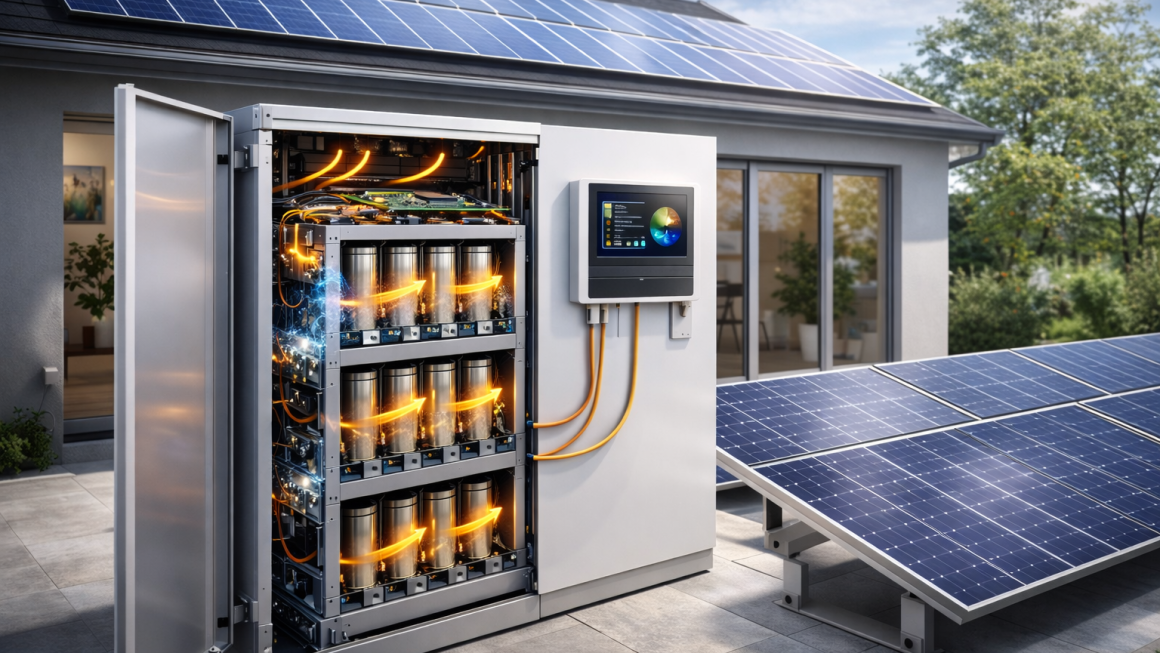
Smart modules are the foundational components of modern home energy storage systems. These modules integrate multiple functions, including:
- Battery cells: Lithium-ion, LFP, or other high-performance cells
- Thermal management components: Heat-spreading layers, thermal interface materials (TIMs)
- Communication interfaces: Enable seamless interaction with the BMS, solar inverter, and home automation system
Smart modules use advanced sensors and control algorithms to monitor voltage, current, and temperature across the battery cells. By adjusting these parameters in real-time, the system can:
- Optimize charge/discharge cycles
- Prevent thermal runaway
- Extend battery lifespan
These modules are scalable and flexible, allowing for easy expansion as home energy needs grow or evolve. As solar energy production increases or electric vehicle (EV) charging becomes more frequent, adding additional modules is a simple, cost-effective solution.
3. From Modules to Complete Turnkey Solutions
While individual smart modules offer numerous advantages, homeowners often require a complete turnkey solution for their energy storage needs. A turnkey system includes everything from battery modules to system integration, ensuring optimal functionality across various components.
Key elements of a complete turnkey home ESS solution include:
- Modular battery racks: These racks house multiple smart modules, providing scalability and flexibility for future upgrades.
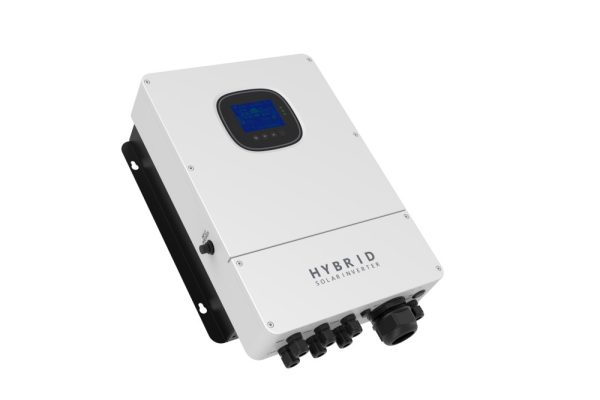
- Inverter systems: Convert DC power from batteries to AC power for home appliances.
- Energy management systems (EMS): Monitor and optimize energy production, consumption, and storage. The EMS can prioritize solar energy use, provide load management, and automate battery charging/discharging based on real-time data.
- Grid interaction: Integrated grid connectivity allows for demand response, where the ESS interacts with utility signals to store or release energy based on grid requirements, reducing overall electricity costs.
- Home automation integration: ESS can sync with home automation systems, automatically powering critical appliances during outages and optimizing energy consumption when grid power is available.
Turnkey solutions are designed for ease of installation and user-friendly operation, offering homeowners a seamless energy management experience without the need for continuous manual adjustments.
4. Benefits of a Complete Home ESS Solution
1. Energy Independence
A complete system empowers homeowners to rely on renewable energy sources, minimizing grid dependence and energy bills. The ability to store solar power and access it during the night or cloudy days reduces reliance on the grid, increasing sustainability.
2. Increased System Reliability
By integrating advanced safety systems and thermal management into every module, the risk of overheating, battery failure, or other safety concerns is minimized. The use of smart BMS ensures that the system is always operating within safe parameters, even under high load conditions.
3. Real-Time Optimization
With smart monitoring and analytics, the system optimizes performance in real-time. For example, it can automatically adjust energy flow between the grid, home appliances, and battery storage, ensuring the most efficient energy use at all times.
4. Scalable and Future-Proof
As energy consumption needs change over time, homeowners can easily expand their ESS capacity by adding additional modules or components. The modular design ensures that the system adapts to future energy requirements, such as electric vehicle charging or new home appliances.
5. Environmental Impact
Home ESS contribute to sustainable living by enabling the use of renewable energy sources and reducing the carbon footprint. By storing excess solar power during the day and using it at night, homeowners decrease their reliance on fossil-fuel-based grid energy.
5. Key Technologies and Materials in Modern Home ESS
As home ESS become more advanced, the materials and technologies used in these systems continue to evolve:
- Graphene and nanocarbon composites: Enhance electrical conductivity and thermal performance in battery modules and busbars.
- Advanced thermal management materials: Graphene-enhanced TIMs, phase-change materials, and heat-spreading layers maintain temperature stability and ensure safe operation during high-load cycles.
- Smart BMS: Integrated systems that provide precise monitoring of battery health, charge/discharge cycles, and safety alerts.
- Modular designs: Allow homeowners to easily scale their ESS based on changing energy needs.
These innovations ensure that modern home ESS are efficient, reliable, and future-ready, supporting a seamless transition to renewable energy.
Home energy storage systems are no longer just simple backup solutions—they are smart, scalable, and integral parts of a modern home’s energy ecosystem. With graphene-enhanced modules, intelligent energy management, and turnkey solutions, homeowners now have access to flexible, efficient, and reliable energy systems that optimize energy consumption, reduce utility costs, and provide complete energy independence.
As energy needs continue to evolve, home ESS will remain at the forefront of enabling sustainable living and grid resilience, creating smart homes for the future.