
Why Battery Enclosures Are Critical for Modern Energy Storage Systems
Battery Energy Storage Systems (ESS) are increasingly deployed in utility-scale projects, industrial parks, commercial facilities, renewable energy plants, and microgrids.
While battery cells are the heart of an ESS, the battery enclosure provides the first line of defense against environmental hazards, mechanical impacts, and operational risks.
A well-designed enclosure does much more than house battery modules. It protects critical equipment, supports thermal management, simplifies maintenance, and contributes to the overall safety and reliability of the energy storage system.
As ESS installations continue to expand into harsher environments, battery enclosure design has become an essential part of system engineering.
What Is a Battery Enclosure?
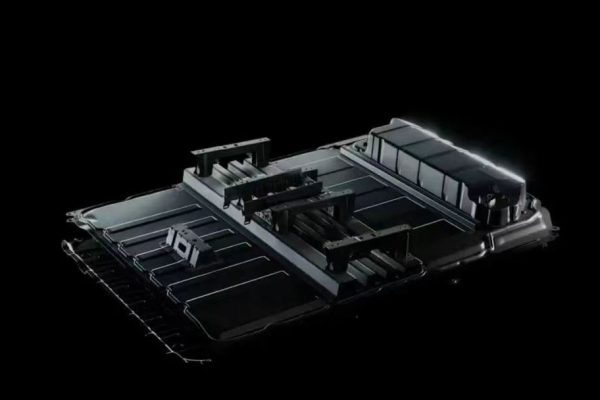
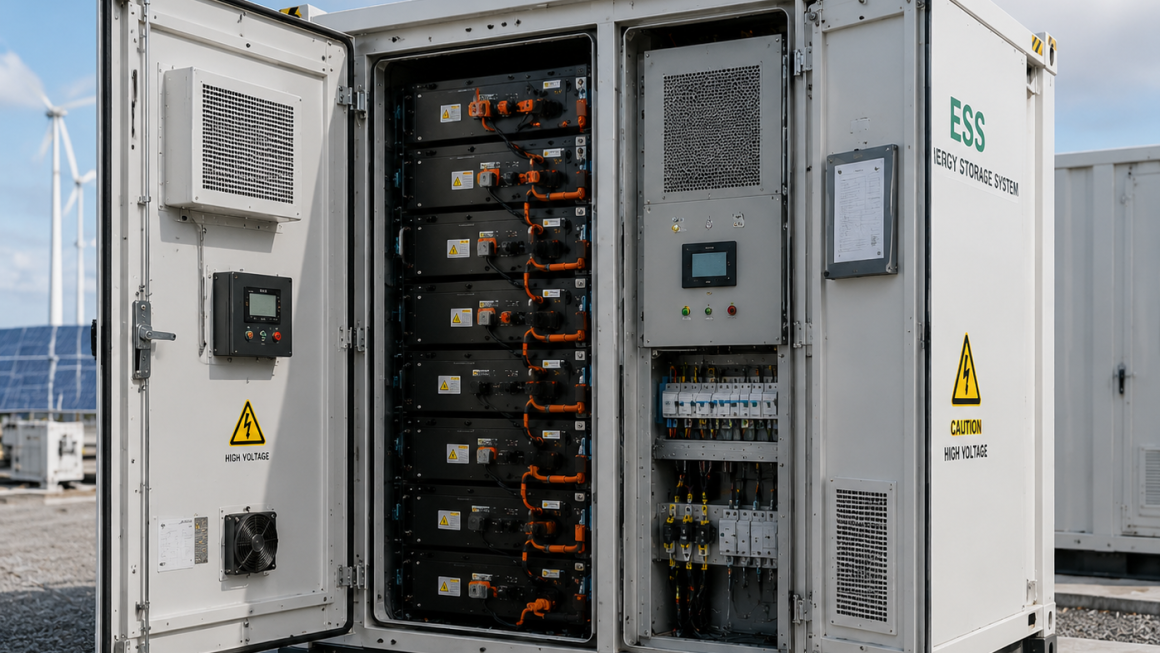
A battery enclosure is the structural housing that contains and protects battery modules and associated electrical equipment.
Depending on the application, an enclosure may include:
- Battery racks or cabinets
- Cable routing systems
- Power distribution components
- Thermal management equipment
- Fire protection systems
- Monitoring and communication devices
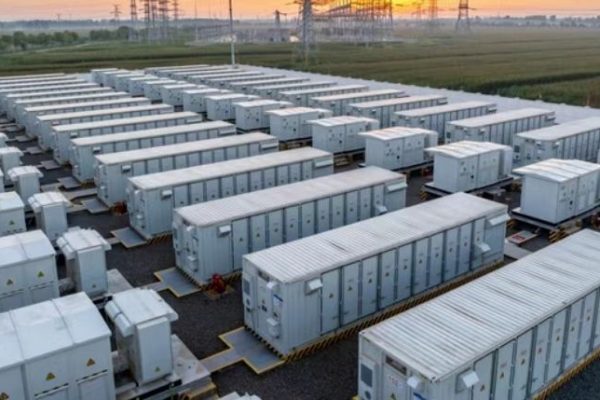
Outdoor systems are commonly built as weather-resistant cabinets or containerized units designed for long-term operation.
Design Challenges for Outdoor and Industrial ESS
Outdoor and industrial environments expose battery enclosures to multiple stresses simultaneously.
Typical challenges include:
- High ambient temperatures
- Solar heat exposure
- Heavy rain and humidity
- Dust and sand
- Salt spray in coastal regions
- Mechanical vibration
- Corrosive industrial atmospheres
An enclosure must be designed to withstand these conditions while protecting internal components.
Key Features of a Reliable Battery Enclosure
Environmental Protection
Outdoor enclosures should prevent the ingress of:
- Rainwater
- Dust
- Moisture
- Contaminants
Appropriate sealing and weather-resistant construction help maintain a stable operating environment.
Thermal Management
Temperature directly affects battery performance and service life.
Modern battery enclosures may incorporate:
- Ventilation systems
- Air cooling
- Liquid cooling plates
- Heat exchangers
- Thermal insulation
- Reflective heat shields
The choice of cooling method depends on battery power density and local climate.
Fire Safety
Safety is a primary consideration in enclosure design.
Typical fire protection measures include:
- Fire detection sensors
- Fire suppression systems
- Pressure relief vents
- Thermal barriers
- Compartmentalized layouts
These features help reduce the impact of abnormal thermal events.
Mechanical Strength
Industrial installations require robust structural performance.
Battery enclosures should withstand:
- Transportation loads
- Wind forces
- Vibration
- Accidental impacts
A rigid enclosure protects internal equipment throughout its operating life.
Material Selection for Battery Enclosures
Selecting the right material is essential for balancing strength, weight, corrosion resistance, and cost.
Aluminum
Aluminum is widely used because it offers:
- Lightweight construction
- Good corrosion resistance
- Excellent manufacturability
- High strength-to-weight ratio
It is suitable for modular cabinet structures and outdoor enclosures.
Stainless Steel
Advantages include:
- Excellent corrosion resistance
- High mechanical strength
- Long service life
Stainless steel is often selected for harsh coastal or industrial environments.
Coated Carbon Steel
With proper protective coatings, carbon steel provides:
- Good structural performance
- Competitive cost
- Suitability for large enclosures
The coating system is critical for long-term durability.
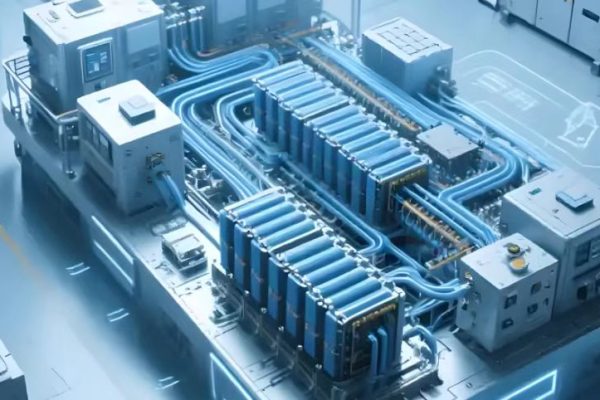
Cable Management Inside the Enclosure
Reliable cable management contributes to both safety and maintenance efficiency.
Key considerations include:
- Organized cable routing
- Mechanical protection
- Separation of power and signal cables
- Moisture-resistant cable entries
- High-temperature cable sleeves
Well-designed cable systems reduce wear and simplify servicing.
Corrosion Protection
Outdoor battery enclosures are continuously exposed to environmental conditions.
Protection strategies include:
- Powder coating
- Epoxy primer systems
- Anodized aluminum components
- Stainless steel fasteners
- Corrosion-resistant hardware
For coastal installations, salt spray resistance should be considered during material selection.
Modular Enclosure Design
Modular battery enclosures provide greater flexibility than traditional fixed designs.
Advantages include:
- Easier transportation
- Faster installation
- Scalable energy capacity
- Simplified maintenance
- Reduced downtime
Modularity supports future expansion without replacing the entire system.
Typical Applications
Battery enclosures are used across a wide range of industries.
Utility-Scale Energy Storage
Large grid-connected systems requiring robust outdoor protection.
Industrial Parks
Supporting peak shaving, backup power, and renewable integration.
Commercial Buildings
Providing distributed energy storage where installation space is limited.
Renewable Energy Plants
Supporting solar and wind projects with reliable energy storage.
Remote Microgrids
Delivering dependable power in locations with demanding environmental conditions.
Future Trends in Battery Enclosure Design
As ESS technology advances, battery enclosures are evolving toward:
- Lightweight aluminum structures
- Integrated liquid cooling systems
- Smart environmental monitoring
- Higher corrosion resistance
- Modular and scalable architectures
- Improved thermal and fire protection
- Easier maintenance access
Future enclosure designs will integrate structural protection, thermal management, and intelligent monitoring into a single platform.
Battery enclosures play a fundamental role in the safety, reliability, and long-term performance of outdoor and industrial Energy Storage Systems.
By combining durable structural materials, effective thermal management, corrosion protection, fire safety, and modular design, modern enclosures help protect valuable battery assets under demanding operating conditions.
As energy storage continues to expand across utility, industrial, and commercial applications, well-engineered battery enclosures will remain a key element in delivering safe, efficient, and reliable ESS installations.