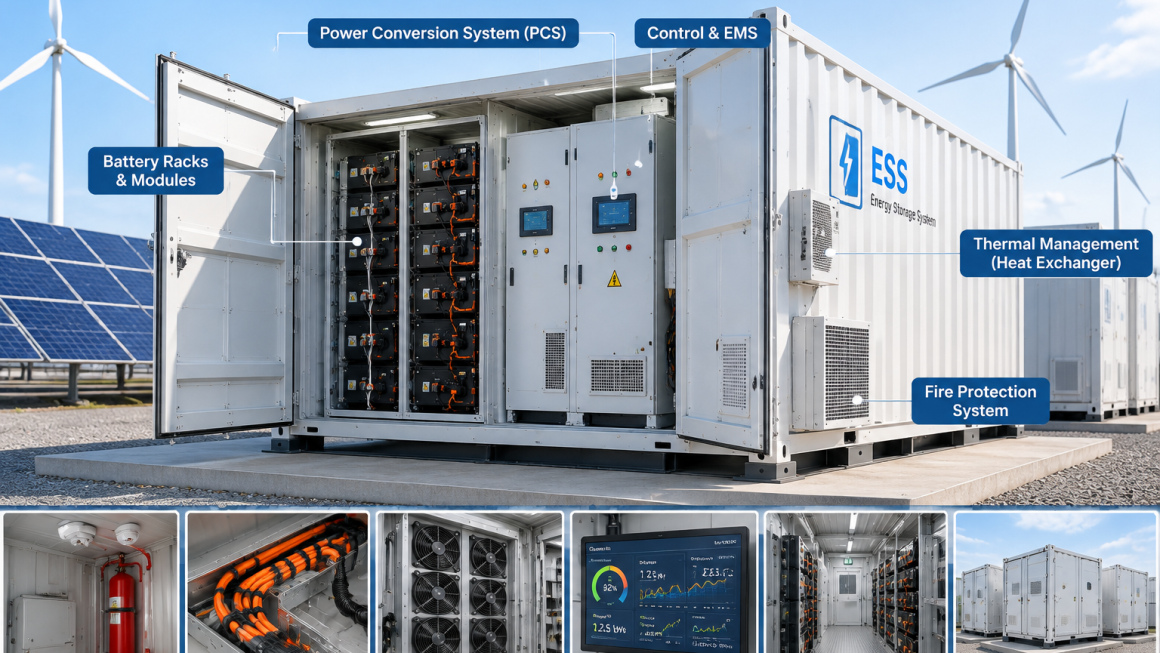
What Is a Containerized Energy Storage System?
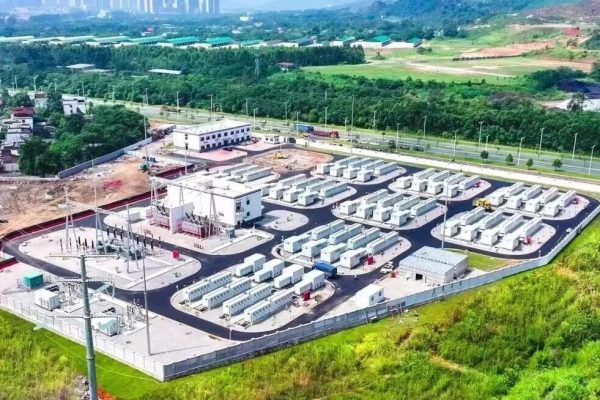
A Containerized Energy Storage System (Containerized ESS) is a complete battery energy storage solution integrated inside a standardized shipping container or modular enclosure.
Rather than installing individual components separately, manufacturers combine battery modules, power electronics, thermal management systems, monitoring equipment, and safety features into a single factory-assembled unit.
This modular approach simplifies transportation, installation, and future expansion, making containerized ESS one of the most widely adopted solutions for utility-scale, commercial, and industrial energy storage projects.
Why Containerized ESS Is Becoming More Popular
Global demand for renewable energy integration, grid stability, and industrial energy management continues to grow.
Containerized ESS offers several advantages over conventional installations:
- Faster deployment
- Factory-integrated design
- Simplified installation
- Scalable capacity
- Lower on-site construction requirements
- Easier maintenance
Because the system is pre-engineered and tested before delivery, project timelines can often be shortened.
Main Components of a Containerized ESS
Although configurations vary by project, most systems include the following components.
Battery Modules
Battery modules store electrical energy and determine the overall energy capacity of the system.
Lithium-ion battery technologies are commonly used because of their:
- High energy density
- Long cycle life
- Fast response
- High efficiency
Battery Racks
Battery modules are mounted inside structural racks designed to provide:
- Mechanical support
- Safe spacing
- Efficient maintenance access
- Stable airflow or liquid cooling pathways
Rack layout directly influences serviceability and thermal performance.
Battery Management System (BMS)
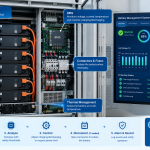
The Battery Management System continuously monitors:
- Cell voltage
- Temperature
- Current
- State of charge (SOC)
- State of health (SOH)
The BMS helps maintain safe and balanced battery operation.
Power Conversion System (PCS)
The PCS converts electrical energy between DC and AC.
Its primary functions include:
- Charging batteries
- Delivering power to the grid or facility
- Bidirectional energy conversion
- Grid synchronization
Energy Management System (EMS)
The EMS coordinates overall system operation by managing:
- Charge and discharge schedules
- Peak shaving
- Renewable energy integration
- Load optimization
- Grid interaction
Thermal Management System
Battery temperature significantly affects performance and service life.
Depending on system size and power density, thermal management may include:
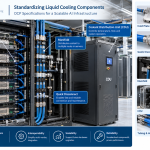
- Forced-air cooling
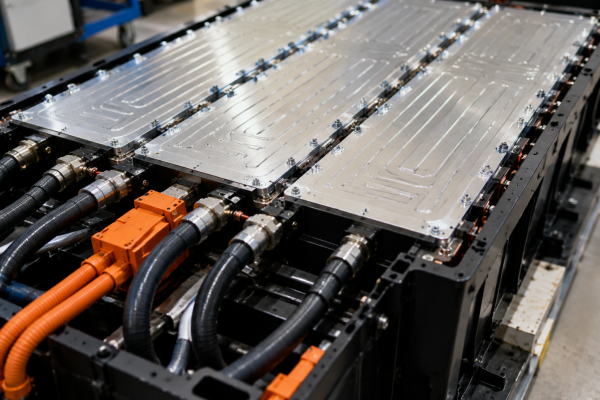
- Liquid cooling plates
- Cooling manifolds
- Heat exchangers
- Thermal insulation materials
Maintaining consistent battery temperatures improves reliability and operational efficiency.
Fire Protection System
Modern containerized ESS integrates multiple fire safety measures, including:
- Smoke detection
- Gas detection
- Fire suppression systems
- Pressure relief mechanisms
- Thermal barriers
These systems are designed to help manage abnormal operating conditions and enhance overall safety.
Structural Design of the Container
The container itself is an important engineering component.
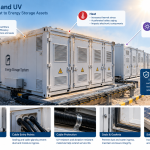
A well-designed enclosure provides protection against:
- Rain
- Dust
- UV radiation
- Humidity
- Wind
- Mechanical impact
- Corrosion
Additional design features often include:
- Weather-resistant doors
- Cable entry systems
- Maintenance access panels
- Ventilation openings
Benefits of Containerized ESS
Rapid Deployment
Factory integration minimizes on-site assembly work and reduces commissioning time.
Modular Expansion
Additional containers can be installed as energy demand increases, providing flexible system growth.
Improved Maintenance
Standardized layouts make inspection and servicing more efficient.
Accessible cable routing, battery racks, and monitoring equipment reduce maintenance time.
Better Environmental Protection
Outdoor-rated enclosures help protect equipment in challenging environments such as:
- Coastal regions
- Industrial facilities
- Desert climates
- High-humidity areas
Design Considerations
Thermal Management
Proper cooling is essential to maintain battery performance.
Engineers should evaluate:
- Ambient temperature
- Solar heat exposure
- Battery power density
- Cooling strategy
- Airflow distribution
Corrosion Protection
Outdoor installations may require enhanced protection against:
- Salt spray
- Moisture
- Industrial pollution
Common solutions include corrosion-resistant materials, protective coatings, and sealed enclosure designs.
Cable Management
Organized cable routing improves:
- Safety
- Maintenance efficiency
- Heat dissipation
- Mechanical protection
Cable sleeves, cable glands, and support systems contribute to reliable long-term operation.
Structural Strength
Containers should withstand:
- Transportation loads
- Wind pressure
- Seismic conditions
- Vibration during operation
Mechanical integrity is essential throughout the system’s service life.
Typical Applications
Containerized ESS is widely used across different industries.
Utility-Scale Energy Storage
Supporting grid balancing, renewable integration, and frequency regulation.
Commercial and Industrial Facilities
Reducing peak electricity demand and improving energy flexibility.
Renewable Energy Projects
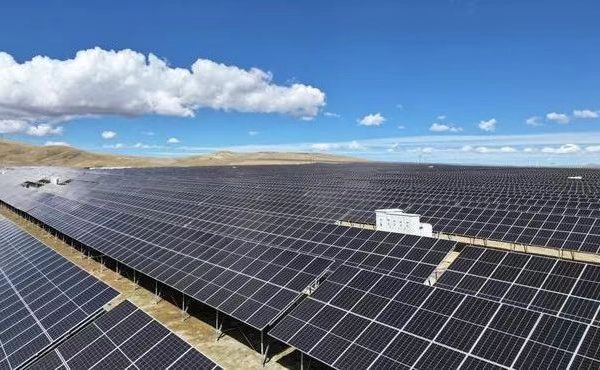
Storing excess solar and wind generation for later use.
Industrial Parks
Providing shared energy storage and improving overall energy efficiency.
Remote Microgrids
Delivering reliable electricity in locations with limited or unstable grid access.
Future Trends
Containerized ESS continues to evolve toward:
- Higher energy density
- Integrated liquid cooling
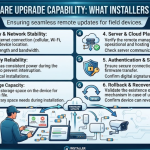
- Intelligent monitoring
- AI-assisted energy management
- Lightweight structural materials
- Improved corrosion resistance
- Faster modular deployment
Future systems will combine advanced thermal management, smart controls, and durable enclosure technologies to support long-term outdoor operation.
Containerized Energy Storage Systems provide a practical and scalable solution for modern energy storage applications.
By integrating batteries, power electronics, thermal management, safety systems, and intelligent controls into a single modular unit, containerized ESS simplifies deployment while improving operational reliability.
As renewable energy adoption and industrial electrification continue to grow, containerized energy storage will play an increasingly important role in building flexible, efficient, and resilient power systems.