The Roles, Teams, and Companies That Really Influence the Outcome
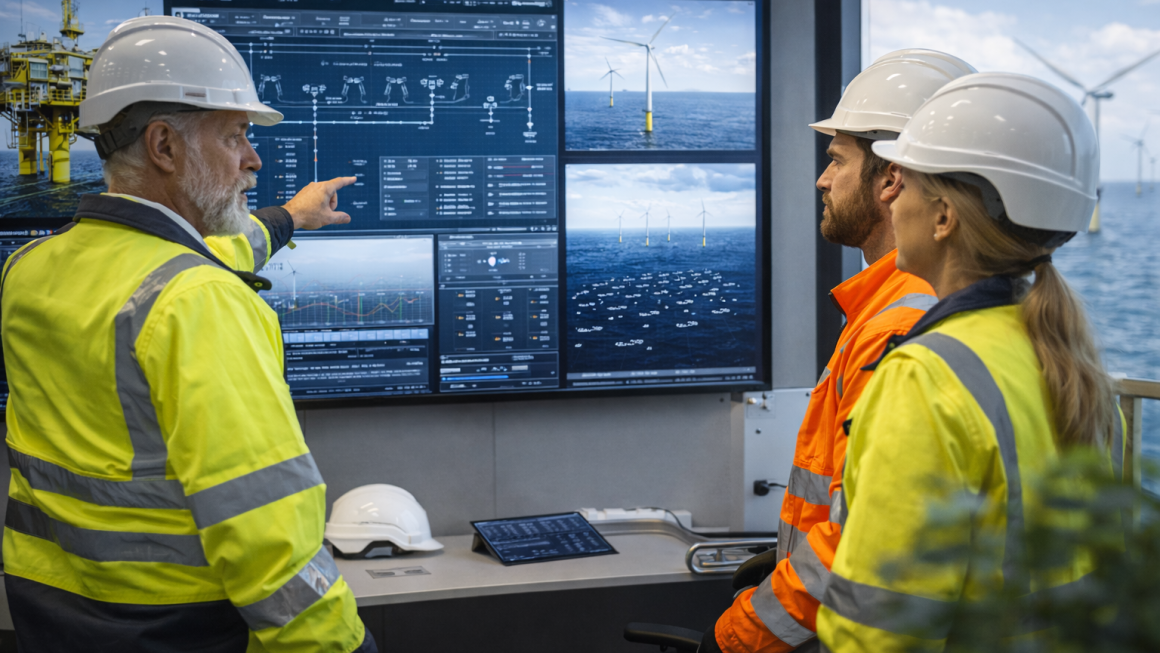
1. The Biggest Misunderstanding: “Procurement Is Not the Decision-Maker”
In offshore wind projects, procurement teams execute decisions —
they rarely originate them.
When advanced materials are adopted, the decision typically emerges from risk ownership, not purchasing optimization.
If your material reduces risk, the question becomes:
Whose problem does it reduce?
That person — not the buyer — is your real audience.
2. The Three Invisible Decision Layers
Materials decisions in offshore wind usually pass through three informal layers:
- Risk identification
- Technical validation
- Commercial acceptance
Understanding who controls each layer is the key to entering the system.
3. Layer 1: The Risk Owners (Your Primary Targets)
These are the people who lose sleep when something fails.
Typical roles:
- Reliability Engineer
- Asset Integrity Engineer
- O&M Engineering Lead
- Structural or Electrical Integrity Manager
What they care about:
- Failure modes
- Inspection frequency
- Corrosion, fatigue, overheating
- Service life predictability
What they respond to:
- Case-based reasoning
- Failure reduction logic
- “What happens if we don’t change this?”
If you can help them reduce uncertainty, they will carry your material forward internally.
4. Layer 2: The Translators (Your Multipliers)
These roles translate risk into engineering language that organizations can act on.
Typical roles:
- System Engineer
- Power Electronics Engineer
- Thermal Engineer
- Materials or Surface Engineering Specialist
What they care about:
- Compatibility with existing designs
- Qualification paths
- Interface behavior
- Standards alignment
They rarely initiate change, but they legitimize it.
If they say:
“This fits without breaking our system logic,”
your material survives the next filter.
5. Layer 3: The Commercial Gatekeepers (Not Your Starting Point)
These teams focus on:
- Unit cost
- Supplier reliability
- Contractual risk
- Scalability
Typical roles:
- Strategic Sourcing
- Category Managers
- EPC procurement teams
They ask:
“Is this safe to buy?”
But they rarely ask:
“Is this worth adopting?”
By the time you talk to them, the technical case must already exist.
6. Which Companies Actually Matter
Not all offshore wind companies influence materials adoption equally.
High influence:
- Tier-1 EPC contractors
- Offshore platform integrators
- Electrical system integrators
- Long-term O&M service providers
These organizations:
- Carry performance guarantees
- Absorb maintenance risk
- Control system-level decisions
Lower influence:
- Pure turbine OEMs (for non-core components)
- Short-term component suppliers
- Financial investors
If your material affects interfaces, protection, or reliability, EPC and O&M actors matter more than OEM branding.
7. How Materials Are Really Introduced (The Quiet Path)
Advanced materials almost never enter as:
“We want to use this new material.”
They enter as:
- A mitigation layer
- A pilot in a non-critical subsystem
- A qualification add-on to an existing component
Often through:
- Failure analysis reviews
- Maintenance optimization discussions
- Lifetime extension programs
Your material is not “sold” —
it is invited.
8. What These People Want to Hear (And What They Don’t)
They want:
- Clear failure scenarios
- Defined application boundaries
- Conservative performance claims
- Long-term behavior discussion
They do not want:
- Breakthrough language
- Lab-only data
- “Revolutionary” claims
- Vague sustainability messaging
In offshore wind, trust grows from restraint, not ambition.
9. How This Should Shape Your Content and Outreach
This is where your strategy sharpens.
Your content should:
- Speak in engineering risks, not materials hype
- Use system diagrams, not abstract performance charts
- Frame materials as quiet enablers
Your outreach should:
- Target risk owners first
- Use translators as validators
- Engage procurement last
This sequence matters more than price.
10. The Real Strategic Insight
Europe’s offshore wind expansion is not a race for innovation —
it is a race for predictable performance at scale.
Materials that understand:
- Where they enter
- Who decides
- How risk is perceived
will scale with the system.
Those that do not will remain stuck in pilots, regardless of technical merit.