
Battery systems deployed in industrial, automotive, and outdoor applications face extreme environmental stresses such as temperature fluctuations, moisture, dust, vibration, and chemical exposure. Robust battery enclosures are critical for ensuring safety, reliability, and long-term performance under these challenging conditions.
Why Robust Enclosures Are Critical
Harsh environments can compromise battery systems through:
- Water ingress and humidity damage
- Dust and particulate contamination
- Mechanical shocks and vibrations
- UV exposure and temperature extremes
- Chemical exposure (e.g., salt, oils, acids)
A well-engineered enclosure mitigates these risks, ensuring safe operation and extended service life.
Key Design Objectives
1. Environmental Protection
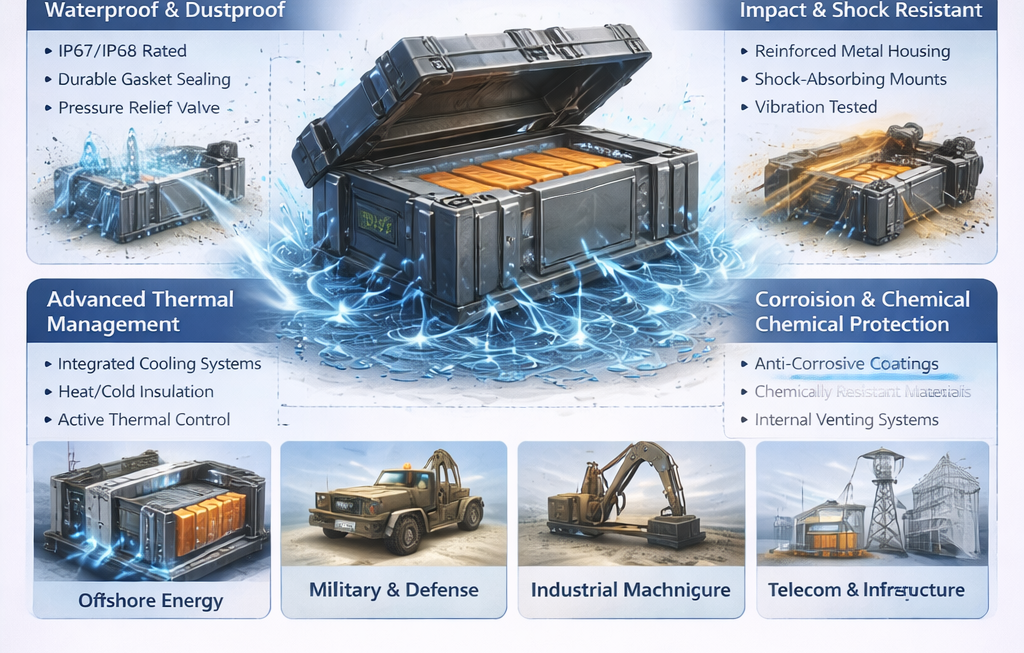
- Ingress Protection (IP) Ratings: IP65, IP67, or higher for dust and water resistance
- Sealing Systems: Gaskets, O-rings, and hermetic seals
- Corrosion Resistance: Coatings and material selection for aggressive environments
2. Mechanical Strength
- Vibration and Shock Resistance: Reinforced frames and dampening mounts
- Impact Protection: Materials that absorb or deflect mechanical energy
- Structural Integrity: Prevent deformation under load or thermal expansion
3. Thermal Management Integration
Even in sealed enclosures, heat must be efficiently managed:
- Passive Cooling: Conduction through thermally conductive materials
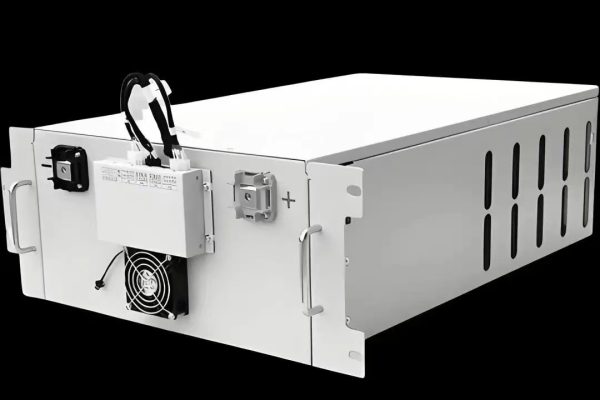
- Active Cooling: Embedded fans or liquid-cooled plates
- Thermal Interface Materials (TIMs): Ensure uniform heat transfer from cells to enclosure
4. Material Selection
Enclosure materials must withstand environmental stress while maintaining performance:
- Metals: Aluminum, stainless steel – strong, durable, and conductive for thermal management
- Polymers: High-strength plastics – lightweight and corrosion-resistant
- Composites: Carbon-fiber reinforced polymers – high strength-to-weight ratio and thermal stability
5. Modular and Serviceable Design
- Accessibility: Easy maintenance and cell replacement
- Stackability: For large-scale systems or modular energy storage deployments
- Adaptability: Configurable for different battery sizes and layouts
Design Challenges
- Thermal vs. Sealing Tradeoff: Tight seals can trap heat, requiring integrated cooling solutions
- Weight vs. Strength: Balancing robust protection with portability
- Long-Term Material Durability: Ensuring gaskets, coatings, and seals maintain performance over years
Applications of Robust Enclosures
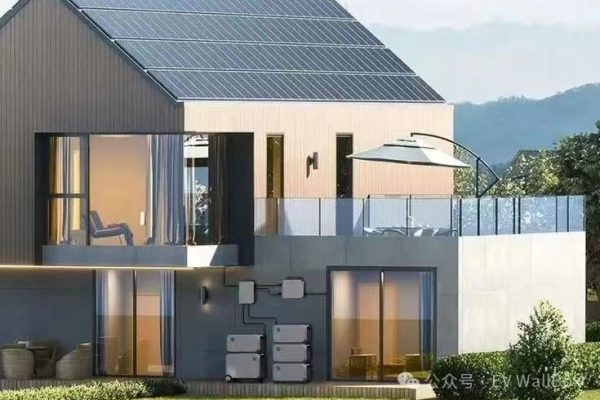
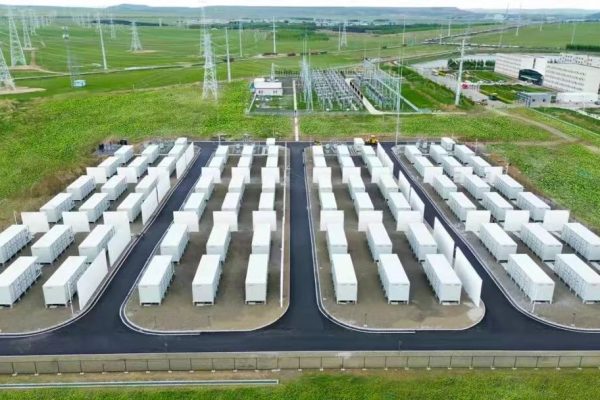
- Outdoor Energy Storage: Solar + battery microgrids, off-grid systems
- Electric Vehicles: Battery packs in EVs exposed to road debris, salt, and moisture
- Industrial Equipment: Forklifts, automated guided vehicles, and heavy machinery
- Marine & Offshore Systems: Saltwater, humidity, and vibration resistance
- Telecom & Edge Infrastructure: Base stations in remote or harsh climates
Emerging Trends
- Integrated Structural & Thermal Designs: Enclosure doubles as heat spreader or frame
- Lightweight Composite Materials: Reducing weight while maintaining protection
- Embedded Sensors for Environmental Monitoring: Humidity, temperature, and vibration tracking
- Standardized Modular Enclosures: Easier deployment and scalability
Best Practices
- Design enclosures according to target IP rating and environmental stresses
- Simulate mechanical, thermal, and vibration loads in the design phase
- Select materials for combined corrosion, UV, and chemical resistance
- Ensure serviceability and modularity for maintenance and scalability
- Validate through accelerated lifecycle and environmental testing
Robust battery enclosures are essential for deploying safe, reliable, and durable battery systems in harsh environments. By integrating mechanical strength, environmental sealing, and thermal management, engineers can ensure battery modules perform safely and efficiently under extreme conditions, extending service life and reducing operational risks.