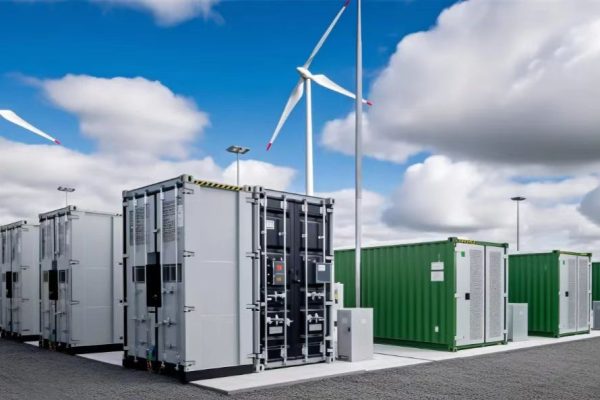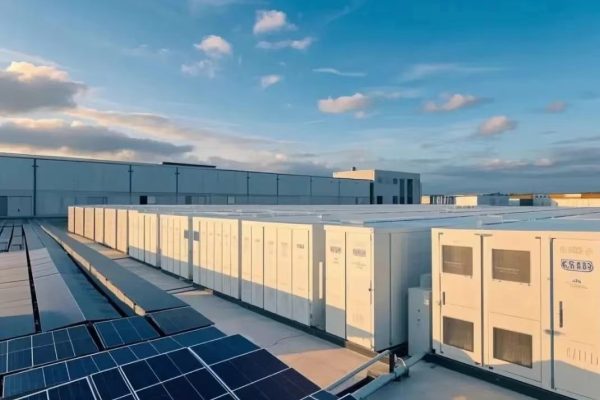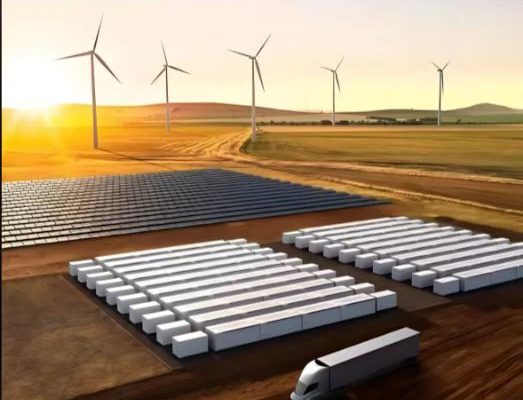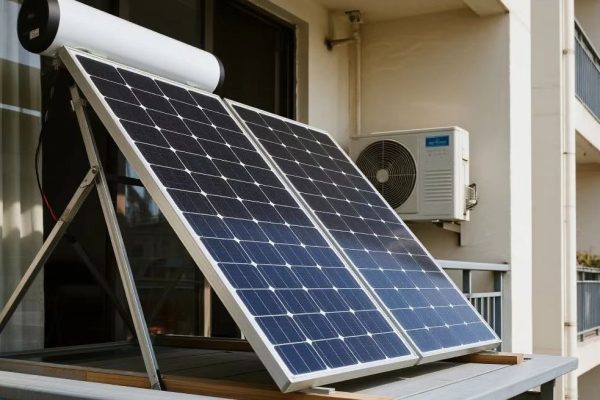
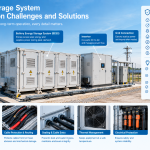
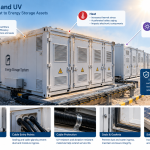
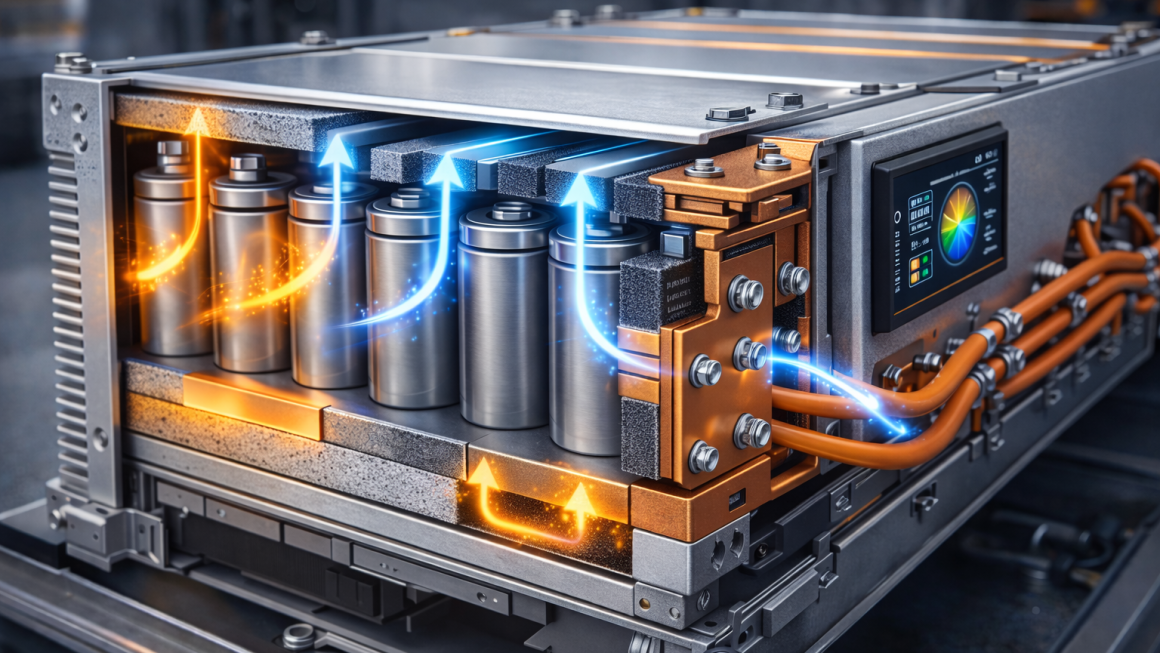
As energy storage systems become increasingly integrated into critical infrastructure—from residential backup systems to commercial microgrids and data centers—the demand for long-term durability has never been higher.
Modern battery packs are expected to operate reliably for 10–15 years or more, often under demanding conditions involving temperature fluctuations, frequent cycling, and varying power loads.
Achieving this level of durability requires more than high-quality battery cells. It depends on advanced battery pack design, where mechanical structure, thermal control, electrical pathways, and intelligent monitoring work together to maintain long-term system stability.
Why Battery Pack Design Matters
While battery chemistry determines energy capacity, the pack architecture determines reliability.
Poor pack design can lead to:
- Uneven thermal distribution
- Mechanical stress on cells
- Increased electrical resistance
- Accelerated aging
- Safety risks over long operating periods
In contrast, well-engineered battery packs ensure that cells operate under stable conditions, maximizing both performance and lifespan.
Structural Design for Mechanical Stability
Battery packs must maintain structural integrity throughout thousands of charge–discharge cycles.
Cells expand and contract slightly during operation. Over time, this mechanical movement can cause:
- Weld fatigue
- Connector loosening
- Structural deformation
Advanced pack designs address this by incorporating:
- Controlled compression structures
- Reinforced module frames
- Vibration-resistant mounting systems
- Flexible electrical interconnections
These structural solutions prevent long-term degradation caused by mechanical stress.
Thermal Management for Extended Life
Temperature control is one of the most critical factors affecting battery longevity.
Even small temperature differences between cells can result in uneven aging, where some cells degrade faster than others. This imbalance reduces the overall pack lifespan.
Advanced thermal design strategies include:
- High-conductivity heat spreading plates
- Thermal interface materials between cells and cooling structures
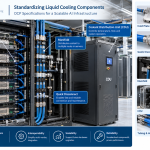
- Optimized airflow or liquid cooling channels
- Intelligent thermal monitoring through distributed sensors
The goal is to maintain uniform temperature across the entire pack, minimizing performance variations between cells.
Optimized Electrical Pathways
In high-power battery systems, electrical design plays a major role in durability.
Poor electrical connections increase resistance, which leads to:
- Excessive heat generation
- Energy losses
- Stress on electrical interfaces
Advanced battery pack designs reduce these risks through:
- Optimized busbar layouts
- Low-resistance conductive materials
- Stable contact surfaces
- Protective conductive coatings
These improvements ensure efficient power flow while minimizing thermal stress at electrical interfaces.
Intelligent Monitoring and Protection
Modern battery packs rely heavily on advanced Battery Management Systems (BMS) to ensure long-term safety and reliability.
Key monitoring capabilities include:
- Real-time voltage monitoring for each cell
- Temperature sensing across modules
- Current flow monitoring
- Fault detection and protection mechanisms
By continuously analyzing system conditions, the BMS can prevent issues such as overcharging, overheating, and cell imbalance.
This intelligent layer significantly extends operational lifespan.
Materials That Support Long-Term Reliability
Beyond structural and electrical design, materials play a key role in ensuring battery pack durability.
Advanced materials contribute to:
- Improved thermal conductivity
- Reduced electrical resistance
- Corrosion resistance
- Mechanical reinforcement
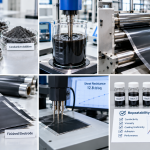
Innovative materials—including advanced carbon-based additives and engineered conductive coatings—are increasingly used to enhance both performance and durability in modern battery systems.
Designing for Real-World Energy Applications
Battery packs used in real-world energy systems must perform reliably under diverse conditions.
Applications include:
- Residential energy storage
- Commercial energy management systems
- Hybrid renewable microgrids
- Data center backup systems
Each application introduces different environmental and operational stresses, making durable pack design essential for long-term system stability.
The Future of Durable Energy Storage
As energy storage technologies evolve, the focus is shifting toward holistic system engineering.
Future battery packs will increasingly integrate:
- Advanced thermal materials
- Intelligent monitoring systems
- Optimized electrical architectures
- Modular design for easier maintenance and scalability
Durability is no longer just a feature—it is a requirement for sustainable and reliable energy infrastructure.
Long-term durability in battery systems is achieved through thoughtful design at every level—from cell integration to thermal management, electrical architecture, and material selection.
Advanced battery pack design ensures that energy storage systems remain safe, efficient, and reliable throughout their operational lifespan.
As the energy industry continues to expand, robust pack engineering will play a central role in delivering dependable energy storage solutions for homes, businesses, and critical infrastructure.