Ensuring Reliability, Early Fault Detection, and Long-Term Performance
Low-voltage PV + storage systems are increasingly deployed in homes, small commercial buildings, telecom sites, and micro-industrial facilities. While installation quality is critical, long-term system reliability depends primarily on effective monitoring and diagnostics.
This article focuses on practical monitoring architecture, fault detection strategies, and field-proven diagnostic methods for low-voltage PV + storage systems—based on real operational experience rather than theoretical models.
1. Why Monitoring Matters More in Low-Voltage Systems
Low-voltage systems typically operate with:
- Smaller safety margins
- Higher current levels
- Limited redundancy
- Tighter inverter and BMS protection thresholds
As a result, minor issues escalate faster than in medium- or high-voltage systems. Monitoring is not optional—it is the system’s early warning mechanism.
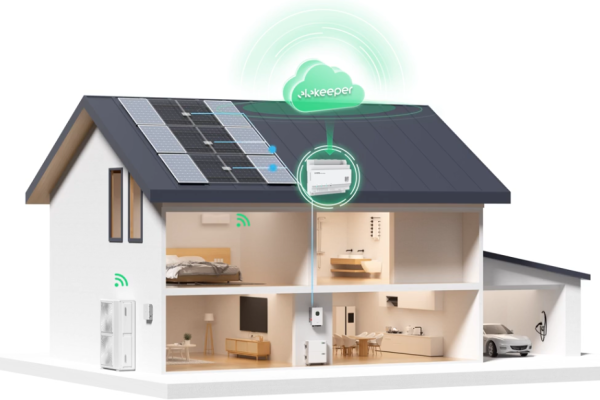
2. Core Monitoring Layers in PV + Storage Systems
A robust monitoring design uses layered visibility, not a single dashboard.
Layer 1: Device-Level Monitoring
- Inverter status (AC/DC voltage, current, frequency)
- Battery SOC, SOH, temperature
- PV string voltage and current
- Protection trips and fault codes
This layer enables immediate fault identification.
Layer 2: System-Level Monitoring
- Power flow (PV → Load → Battery → Grid)
- Charge/discharge behavior
- Grid import/export patterns
- Backup mode transitions
- Load response during events
System-level data helps detect control logic or configuration issues.
Layer 3: Trend and Performance Monitoring
- Battery capacity fade
- Efficiency degradation
- Abnormal cycling frequency
- Temperature trends
- PV underperformance
Trend analysis prevents slow, hidden failures.
3. Key Parameters That Must Be Monitored
Battery Monitoring (Critical)
- SOC accuracy (not just displayed value)
- Cell voltage imbalance
- Temperature delta between modules
- Charge/discharge C-rate
- Protection events (over-current, over-temp)
Battery faults often develop silently—early detection prevents irreversible damage.
Inverter Monitoring
- DC bus stability
- AC voltage/frequency deviation
- Internal temperature
- Fault history and reset frequency
- Islanding and reconnection events
Repeated inverter resets indicate deeper system instability.
PV Array Monitoring
- String mismatch
- Sudden power drops
- Ground faults
- MPPT hunting behavior
- Irradiance vs output comparison (if sensors exist)
PV issues are often misdiagnosed as battery problems.
4. Alarm Design: Less Noise, More Meaning
Poor alarm design overwhelms operators.
Best practices:
- Prioritize alarms by severity
- Group related events
- Suppress duplicate notifications
- Provide clear action guidance
- Include timestamps and root cause hints
A good alarm system tells technicians what to do, not just what happened.
5. Diagnostics Workflow for Field Technicians
Step-by-step diagnostic approach:
- Confirm system mode (grid-tied, islanded, backup)
- Review recent alarms and fault history
- Check battery status and temperature first
- Verify inverter operating limits
- Inspect communication health
- Validate load behavior during events
- Confirm recent configuration changes
Most failures are configuration- or communication-related, not hardware defects.
6. Communication Reliability Is a Hidden Risk
Low-voltage systems rely heavily on communication.
Common issues:
- RS485 noise and grounding problems
- Ethernet loops
- Router power loss during outages
- Time synchronization errors
- Firmware incompatibility
Mitigation strategies:
- Short, shielded RS485 cables
- Isolated communication ports
- Local data buffering
- Independent power supply for controllers
- Version-controlled firmware management
7. Remote Monitoring vs Local Access
Remote monitoring enables:
- Faster fault response
- Reduced O&M cost
- Predictive maintenance
- Centralized fleet management
Local access remains essential for:
- Commissioning
- Emergency recovery
- Communication failure scenarios
- Black-start diagnostics
A hybrid approach is always recommended.
8. Predictive Diagnostics: Moving Beyond Alarms
Advanced systems apply rule-based or AI-assisted diagnostics, such as:
- Abnormal battery temperature rise per kWh
- SOC drift under constant load
- Excessive inverter clipping
- Repeated micro-islanding events
- PV underperformance trends
Predictive diagnostics reduce downtime and extend system life.
9. Case Insight: Diagnosing Repeated Backup Failures
Site profile:
- Residential PV + 10 kWh battery
- Frequent grid outages
- Backup failures reported
Root cause (via monitoring):
- Battery SOC at 12% before outages
- Self-consumption mode prioritized
- No SOC reserve configured
Solution:
- Enforced 30% SOC reserve
- Alarm added for low-SOC risk
- Backup reliability restored without hardware changes
Monitoring solved a problem no component replacement could fix.
10. Best Practices Summary
A reliable monitoring and diagnostics strategy:
- Covers battery, inverter, PV, and loads
- Uses layered data visibility
- Focuses on trends, not just alarms
- Enables remote and local access
- Guides technicians with clear diagnostics
- Evolves as the system ages
Low-voltage PV + storage systems succeed or fail based on visibility and response speed. Monitoring and diagnostics are not add-ons—they are core system functions.
Well-designed monitoring:
- Prevents failures
- Reduces downtime
- Extends battery life
- Lowers O&M cost
- Builds long-term system trust