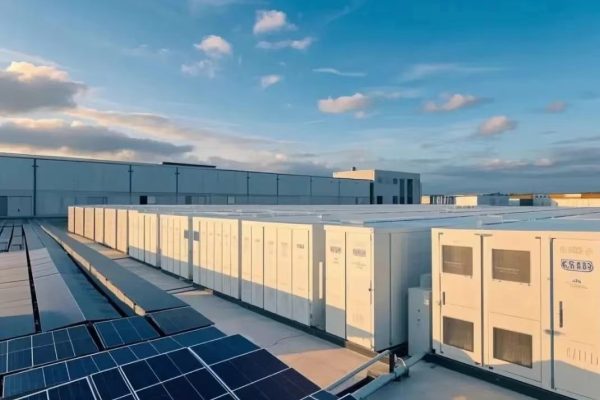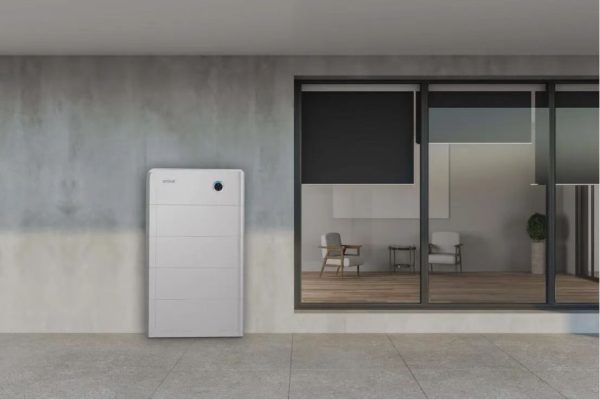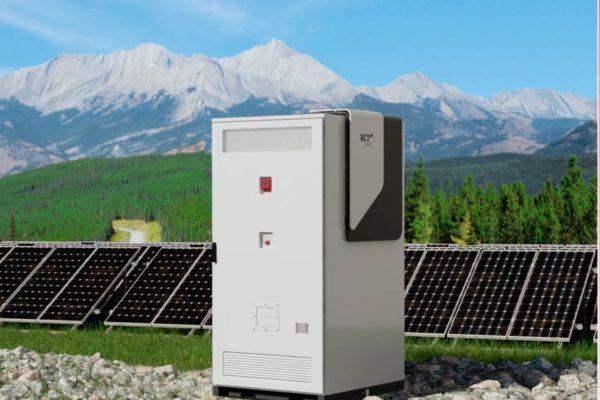



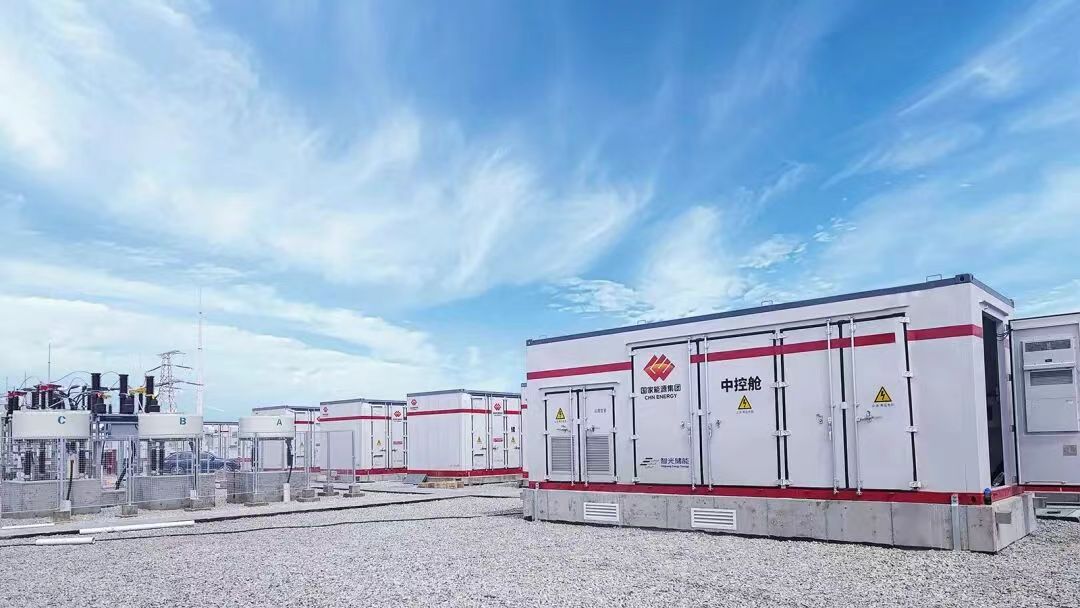
Commercial facilities such as shopping malls, office complexes, and mixed-use buildings often face high demand charges from utility providers. These charges are based on the facility’s peak power consumption, which can significantly increase electricity costs. Modular energy storage systems (ESS) offer an effective solution by shaving peak demand, improving energy efficiency, and providing operational flexibility.
This article presents a real-world case study, highlights technical design strategies, and shares lessons learned for replicable deployment in commercial environments.
1. Understanding Peak Demand Challenges in Commercial Buildings
Commercial facilities have energy profiles characterized by:
- High daytime peaks due to HVAC, elevators, and lighting
- Variable occupancy patterns
- Critical loads such as IT equipment, refrigeration, and emergency lighting
Utility demand charges are often the largest component of commercial energy bills, and even short spikes can result in significant costs.
Solution: Peak shaving with modular ESS.
2. Why Modular ESS is Ideal for Peak Demand Management
2.1 Scalability
- Modular systems allow incremental expansion as demand grows or as more areas are included in peak shaving.
- For example, 50 kWh modules can be combined to meet 200–500 kWh storage needs.
2.2 Maintenance Flexibility
- Hot-swappable modules reduce downtime during maintenance or upgrades.
- Individual module failures do not compromise the entire system.
2.3 Reliability
- Redundant modules ensure continuous operation.
- Integrated BMS provides module-level fault detection and safe operation.
2.4 Integration
- Modular ESS can work alongside existing PV systems, backup generators, and building management systems (BMS).
3. Technical Solution Design
A typical commercial peak shaving design includes:
- Load Analysis
- Identify historical peak hours and peak magnitudes.
- Categorize loads as critical, deferrable, or non-critical.
- Battery Sizing
- Based on peak reduction targets and duration of peak periods.
- Consider 70–80% DoD to maximize battery life.
- EMS Integration
- Predict peak demand periods using historical and real-time data.
- Schedule battery discharge to shave peaks.
- Coordinate PV generation (if available) with ESS usage.
- Thermal Management
- Batteries installed in ventilated or air-conditioned enclosures.
- Temperature sensors integrated for operational safety.
- Monitoring and Reporting
- Real-time energy flow monitoring.
- Alerts for module faults, over-temperature, or low SOC.
- Performance analytics for utility reporting and ROI analysis.
4. Case Study Overview
Location: Urban commercial complex, Southeast Asia
Peak Load: 750 kW
Target: Reduce peak demand by 15–25%
System: 500 kWh modular LiFePO₄ ESS + EMS
PV Generation: 200 kW rooftop PV (optional contribution)
Implementation Details:
- 10 × 50 kWh modular batteries installed near main electrical room.
- EMS set to discharge batteries during daily peak period: 11:00–17:00.
- PV charges batteries during off-peak daytime.
- Load monitoring integrated with building management system for automated response.
5. Results and Impact
- Peak demand reduction: 20%
- Monthly energy cost savings: ~$15,000
- Battery cycle optimization: >4,000 cycles projected life
- PV utilization increased by 25%
Lessons Learned:
- Accurate load profiling is critical for battery sizing.
- EMS predictive control improves peak shaving efficiency.
- Modular design enables maintenance without disruption.
- Integration with PV reduces dependency on grid energy during peak hours.
6. Best Practices for Commercial Peak Demand Management
| Aspect | Recommendation |
|---|---|
| Battery | Modular, hot-swap capable, redundant |
| EMS | Predictive control, PV coordination, load prioritization |
| Sizing | Based on peak duration, target reduction, DoD limits |
| Monitoring | Real-time data and alerts for performance and faults |
| Thermal | Proper ventilation or air conditioning for indoor batteries |
| Integration | Compatible with existing building management systems |
7. Key Technical Highlights
- Modular Scalability: Allows incremental expansion and flexibility.
- Predictive EMS: Coordinates battery and PV to shave peak efficiently.
- Redundant Design: Ensures uninterrupted service even during module maintenance.
- Data-Driven Optimization: Real-time monitoring improves decision-making and ROI analysis.
- Hot-Swap Modules: Enables rapid maintenance without impacting peak shaving performance.
8. Future Trends
- AI-based predictive peak management using occupancy and weather data.
- Integration with EV charging infrastructure for additional flexibility.
- Digital twin modeling for simulation, planning, and predictive maintenance.
- Hybrid microgrids for commercial campuses with PV, ESS, and backup generators.
This case study demonstrates that modular energy storage systems, combined with advanced EMS and optional PV integration, provide a highly effective solution for commercial peak demand management. Benefits include:
- Reduced peak demand and energy costs
- Scalable and flexible deployment
- High reliability with redundant modules
- Extended battery life and optimized system performance
Modular ESS solutions offer a replicable framework for commercial facilities seeking cost reduction, energy efficiency, and operational resilience.