
As battery technologies evolve rapidly—driven by electric vehicles, energy storage systems (ESS), and high-performance electronics—the gap between material innovation and real-world deployment has become a critical challenge. Bridging this gap requires more than laboratory success; it demands a structured pathway from materials development to scalable module integration.
This is where a materials-to-modules approach becomes essential.
Why Scaling Matters in Battery Innovation
Breakthrough materials—such as graphene, CNTs, advanced coatings, and novel electrode formulations—often demonstrate excellent performance at the lab scale. However, many fail to transition successfully into production due to:
- Process incompatibility
- Lack of scalability
- Inconsistent quality at larger volumes
- Integration challenges at module level
Scaling is not just about increasing volume—it is about ensuring performance, consistency, and manufacturability at every stage.
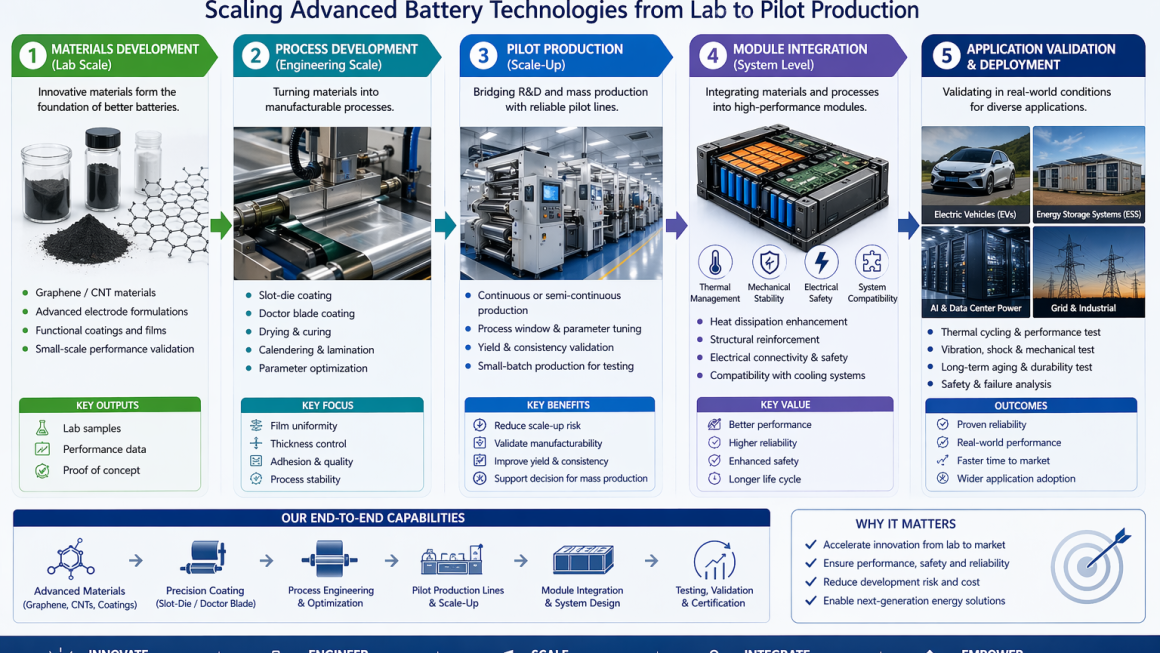
Stage 1: Materials Development and Validation (Lab Scale)
At the foundation lies material innovation:
- Graphene and CNT-based thermal and conductive materials
- Advanced electrode formulations and coatings
- Functional films for heat dissipation or protection
Key focus areas:
- Thermal conductivity and electrical performance
- Chemical stability and compatibility
- Small-scale functional validation
Typical outputs:
- Lab-scale samples
- Initial performance data
- Proof-of-concept demonstrations
Stage 2: Process Development and Engineering
Once materials are validated, the next step is translating them into manufacturable processes.
Critical processes include:
- Slot-die coating
- Doctor blade coating
- Drying and curing
- Calendering and lamination
Challenges addressed:
- Film uniformity and thickness control
- Adhesion and surface quality
- Process parameter optimization (speed, temperature, viscosity)
This stage determines whether a material can move beyond the lab.
Stage 3: Pilot Production and Scale-Up
Pilot production is the most critical bridge between R&D and mass manufacturing.
Key objectives:
- Validate continuous or semi-continuous production
- Define process windows and operating conditions
- Ensure repeatability and yield stability
Typical capabilities:
- Small-batch production for testing
- Process parameter tuning
- Quality consistency evaluation
This stage reduces risk before full-scale investment.
Stage 4: Module-Level Integration
Materials and processes must ultimately deliver value at the system level.
Integration considerations:
- Thermal management performance
- Mechanical stability and structural compatibility
- Electrical connectivity and safety
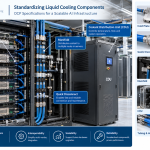
- Compatibility with cooling systems and enclosures
For example:
- Graphene-based materials may enhance heat spreading
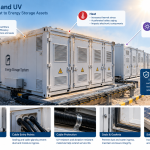
- Coatings may improve corrosion resistance or insulation
- Composite materials can support both structure and thermal pathways
Stage 5: Application Validation and Deployment
Final validation ensures the system performs under real operating conditions.
Testing includes:
- Thermal cycling and heat dissipation
- Mechanical vibration and shock
- Long-term aging and durability
- Safety and failure mode analysis
Target applications:
- Electric vehicles (EVs)
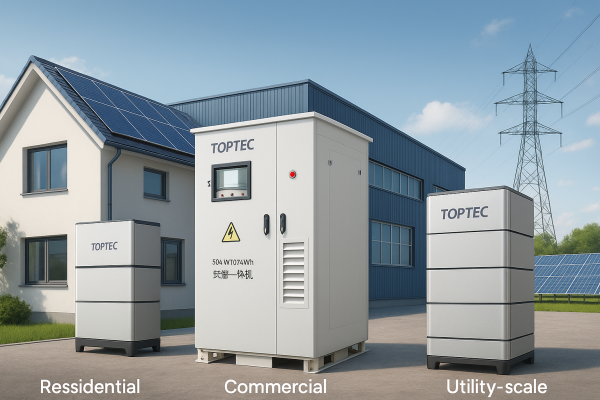
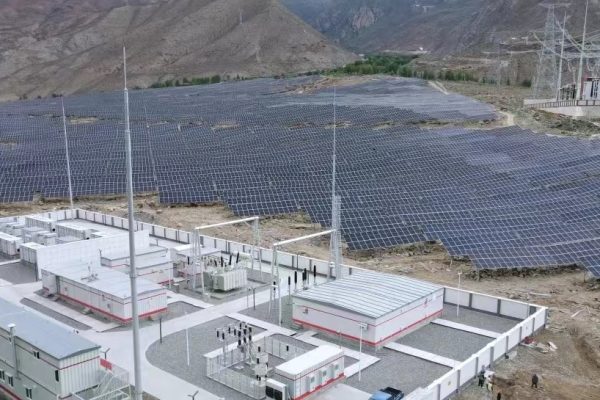
- Energy storage systems (ESS)
- AI and data center power systems
- Industrial and grid applications
Key Challenges in Scaling Battery Technologies
- Maintaining material performance at scale
- Ensuring process consistency and yield
- Integrating new materials into existing manufacturing lines
- Balancing cost with performance improvements
Emerging Trends
1. Integrated Materials-Process Design
Materials are being developed with manufacturing constraints in mind from the start.
2. Advanced Coating Technologies
High-precision coating methods enable uniform, scalable production.
3. Hybrid Material Systems
Combining graphene, CNTs, and traditional materials for optimized performance.
4. Digital Process Optimization
AI-driven models help optimize pilot and production processes.
Best Practices for Successful Scale-Up
- Start with application-driven material design
- Validate manufacturability early in development
- Use pilot lines to minimize scale-up risk
- Align material properties with module-level requirements
- Collaborate across materials, process, and system teams
Scaling advanced battery technologies from lab to pilot production—and ultimately to module integration—is a complex but essential journey. Success requires a holistic approach that connects materials science, process engineering, and system design.
By bridging the gap between innovation and manufacturability, companies can accelerate deployment, reduce risk, and unlock the full potential of next-generation energy storage solutions.