Solutions for Small-Scale Energy Systems
From residential micro-EMS to integrated safety and thermal management modules
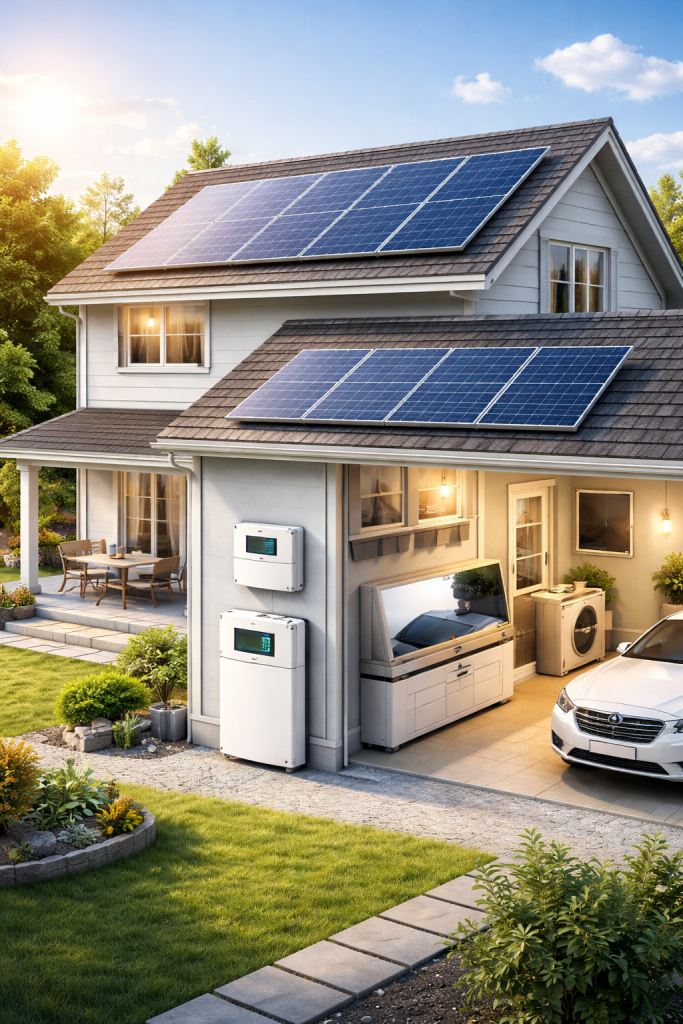
Residential Energy Storage: Challenges & Our Solutions
1. Failure Mechanisms
Challenges:
-
Over time, home energy storage systems experience battery degradation and declining energy efficiency due to frequent charge/discharge cycles.
-
Thermal accumulation is a key factor leading to battery failure and can affect overall system stability.
Our Solutions:
-
EMS Modules (Energy Management System): Intelligent monitoring and energy flow management optimize battery usage, reduce overcharging or deep discharging, and extend battery lifespan.
-
Thermal Management Components: Liquid or air cooling systems lower battery and system operating temperatures, preventing heat-related failures.
2. Thermal Management
Challenges:
-
High energy density and continuous operation in residential systems cause rapid temperature rise, especially under heavy load.
-
Heat buildup not only reduces battery life but can also trigger fires or damage other system components.
Our Solutions:
-
Thermal Management Components (Liquid/Air Cooling): Advanced heat exchange technologies ensure effective cooling for batteries, inverters, and other critical components.
-
Thermally Conductive Materials: High-efficiency interface materials (TIMs) quickly disperse heat, preventing overheating and protecting devices.
3. Safety Blind Spots
Challenges:
-
Household systems face high risks of electrical failure and thermal runaway due to complex charging/discharging cycles.
-
Many residential setups lack robust safety protections, increasing the likelihood of accidents in overload, short-circuit, or thermal events.
Our Solutions:
-
Safety & Lifetime-Critical Components (Isolation Materials, Flame-Retardant Composites): Protect batteries and electrical parts against thermal runaway and short circuits.
-
Corrosion-Resistant Coatings: Ensure long-term reliability in humid or harsh environments.
4. System Longevity
Challenges:
-
Long-term use exposes residential systems to aging batteries and environmental stress, leading to performance decline and higher maintenance costs.
-
System reliability and safety are crucial for uninterrupted household energy supply.
Our Solutions:
-
System Support Components (Cabling, Distribution Units): Optimized electrical connections and modular designs enhance reliability and adaptability.
-
Long-Life Components: Materials with high anti-aging performance extend overall system life and reduce maintenance needs.
Our solutions ensure stable, safe, and reliable operation of residential energy storage systems over time:
-
EMS Modules: Optimize energy flow, prevent overcharge/discharge, and reduce electrical faults.
-
Thermal Management Components: Efficient cooling prevents overheating and prolongs device life.
-
Safety & Lifetime-Critical Components: Flame-retardant, isolating, and corrosion-resistant materials protect the system comprehensively.
-
System Support Components: Optimized cabling and modular parts reduce failures and maintenance frequency.
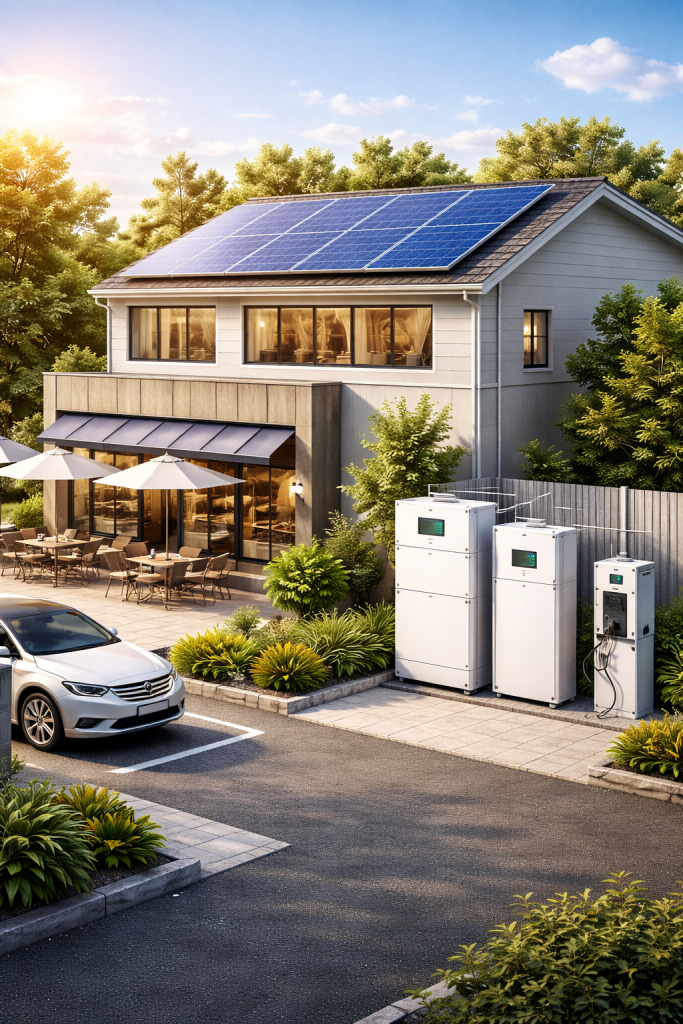
Small Commercial & Edge Energy Storage: Challenges & Our Solutions
1. Failure Mechanisms
Challenges:
-
Commercial and edge energy storage systems experience equipment stress and partial load degradation, especially under fluctuating demand.
-
Improper thermal and electrical management can lead to system instability and reduced lifespan.
Our Solutions:
-
EMS Modules: Adaptive energy management to balance loads, reduce over-discharge, and optimize system performance.
-
Thermal Management Components: Airflow and liquid cooling for high-density electronics to prevent overheating.
2. Thermal Management
Challenges:
-
Continuous operation and higher energy density increase the risk of overheating and heat accumulation in commercial edge systems.
-
Heat-related failures can impact both system performance and safety.
Our Solutions:
-
Thermal Management Components (Liquid/Air Cooling): Maintain stable temperatures for batteries, inverters, and power electronics.
-
Conductive Materials: Efficient heat dissipation to prevent hotspots and ensure sustained operation.
3. Safety Blind Spots
Challenges:
-
Edge systems often operate close to end-users or critical operations, so safety standards are stricter.
-
Short-circuit, overcurrent, or thermal events can lead to costly downtime or hazards.
Our Solutions:
-
Safety & Lifetime-Critical Components: Battery isolation, flame-retardant composites, and protective coatings ensure reliable operation.
-
Corrosion-Resistant and Weatherproof Materials: Protect equipment from environmental stress in commercial settings.
4. System Longevity
Challenges:
-
Commercial energy systems must maintain reliable performance across variable loads and environmental conditions.
-
High maintenance or frequent component replacement increases operational costs.
Our Solutions:
-
System Support Components: Modular cabling, distribution units, and monitoring sensors simplify maintenance.
-
Long-Life Materials & Protective Structures: Ensure stability over long deployment periods.
Our solutions help small commercial and edge energy storage systems operate safely and efficiently:
-
EMS Modules: Balance loads and optimize energy distribution.
-
Thermal Management Components: Prevent overheating and sustain high-density operation.
-
Safety & Lifetime-Critical Components: Protect against thermal, electrical, and environmental risks.
-
System Support Components: Reduce maintenance, improve reliability, and extend system life
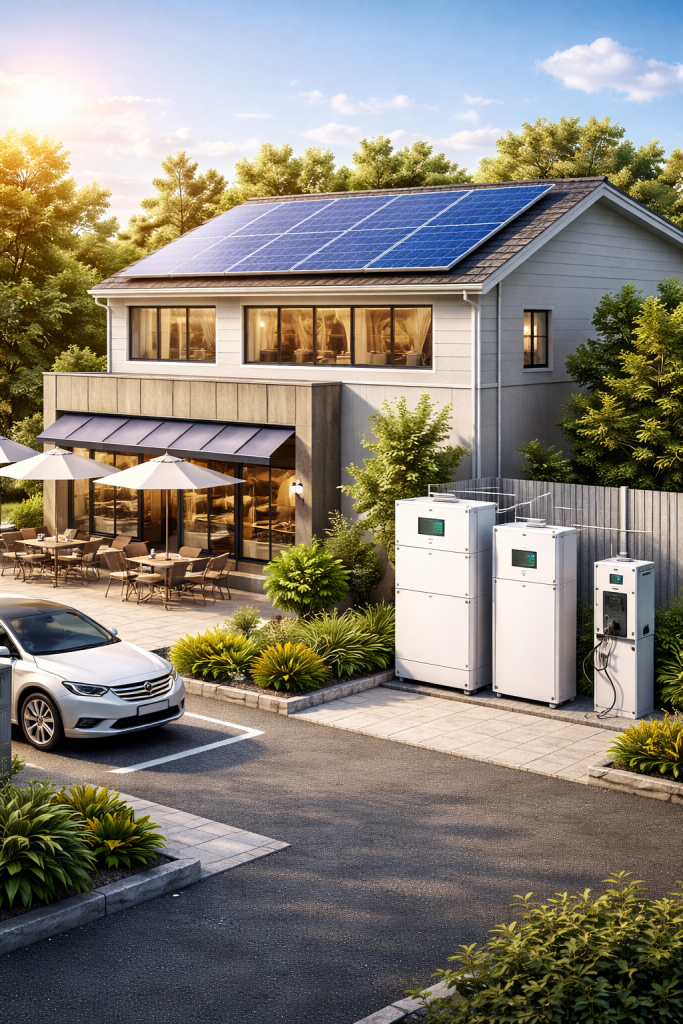
Distributed & Microgrid Energy Storage: Challenges & Our Solutions
1. Failure Mechanisms
Challenges:
-
Distributed and microgrid systems face complex load variations and integration with multiple energy sources, making failure analysis more difficult.
-
Thermal, electrical, and environmental stress can compromise system stability and resilience.
Our Solutions:
-
EMS Modules: Edge-level intelligent energy coordination between generation, storage, and load.
-
Thermal Management Components: Maintain temperature stability across distributed devices and high-density power electronics.
2. Thermal Management
Challenges:
-
Higher power density and continuous operation in microgrids lead to hot spots and thermal stress.
-
Heat accumulation can degrade batteries, inverters, and control modules, affecting long-term reliability.
Our Solutions:
-
Thermal Management Components (Liquid/Air Cooling): Efficient cooling for batteries, inverters, and edge AI devices.
-
Conductive & Protective Materials: Spread and manage heat, maintaining stable performance under variable loads.
3. Safety Blind Spots
Challenges:
-
Microgrid systems must safely manage multiple sources and loads, often in remote or critical locations.
-
Lack of proper isolation, protection, or monitoring can result in safety hazards.
Our Solutions:
-
Safety & Lifetime-Critical Components: Flame-retardant, isolating, and corrosion-resistant materials protect both equipment and users.
-
Monitoring & Sensor Systems: Track thermal, electrical, and environmental parameters to prevent incidents.
4. System Longevity
Challenges:
-
Long-term reliability is critical for microgrid deployments, as downtime can affect multiple users.
-
Harsh environments (outdoor, coastal, or industrial) accelerate component wear.
Our Solutions:
-
System Support Components: Custom cabling, distribution units, and monitoring systems simplify maintenance.
-
Long-Life Protective Materials: Extend component lifespan under challenging environmental conditions.
Our solutions ensure distributed and microgrid energy storage systems remain safe, reliable, and efficient:
-
EMS Modules: Intelligent coordination of generation, storage, and loads.
-
Thermal Management Components: Maintain temperature stability for high-density, edge-level devices.
-
Safety & Lifetime-Critical Components: Prevent failures and protect against environmental stress.
-
System Support Components: Enhance maintainability, reliability, and long-term performance.