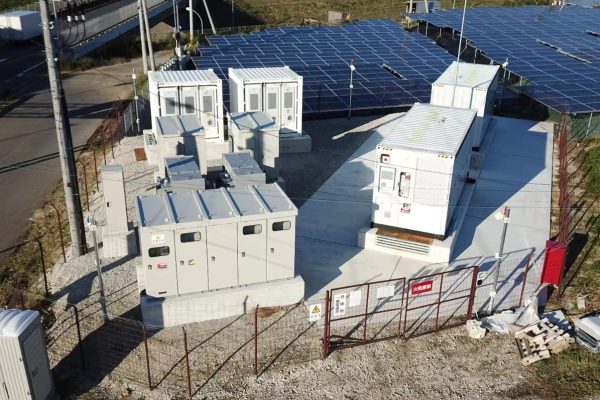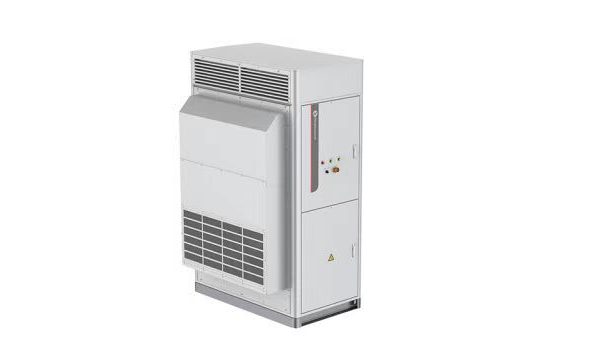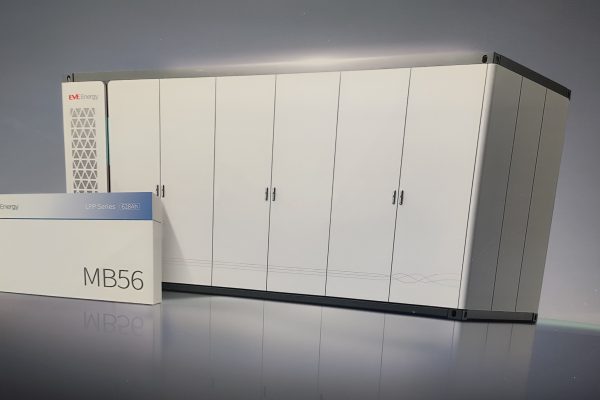



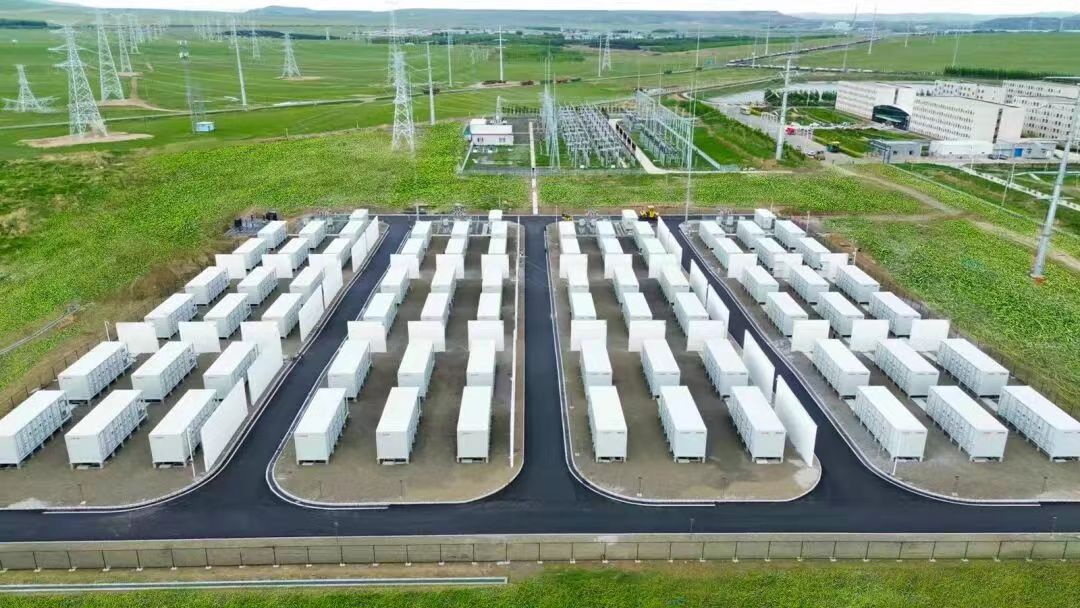
Off-grid microgrids are becoming a central solution for powering remote communities, industrial operations, telecom towers, mining camps, islands, and agricultural facilities. These systems must operate reliably without the support of a stable grid, making optimization critical for efficiency, stability, and long-term cost reduction.
This article explores practical and advanced techniques for optimizing off-grid microgrid systems, covering generation planning, storage sizing, control strategies, and real-world implementation insights.
1. Why Optimization Matters in Off-Grid Microgrids
Unlike grid-connected systems, off-grid microgrids operate in isolation. Every component—generation, storage, loads, and control—must be accurately coordinated.
Effective optimization leads to:
- Higher system reliability
- Reduced diesel consumption
- Longer battery lifespan
- Improved energy efficiency
- Reduced OPEX and LCOE
- Better handling of load fluctuations and extreme weather
Without proper optimization, microgrids often face problems such as blackout incidents, battery over-cycling, generator overuse, and unstable voltage/frequency.
2. Core Components of an Off-Grid Microgrid
A typical off-grid microgrid includes:
- Solar PV or wind generation
- Battery energy storage system (ESS) (usually LiFePO₄)
- Diesel generator (backup)
- Microgrid controller or EMS
- Local AC/DC loads
Optimization requires a full-system approach, balancing these elements efficiently.
3. Key Optimization Techniques
3.1 Load Analysis & Profiling
Accurate load analysis is the foundation of optimization. Key parameters include:
- Daily load curve (peak, valley, base load)
- Seasonal variations (e.g., irrigation, tourism, HVAC)
- Inductive loads (pumps, compressors, motors)
- Critical vs. non-critical loads
Tools such as high-resolution data loggers or smart meters provide precise consumption data.
Effective load profiling prevents:
- Oversized battery systems
- Frequent generator starts
- Unnecessary PV oversizing
3.2 Optimized PV Sizing Techniques
Oversizing PV can lead to high CAPEX, while undersizing reduces energy autonomy.
Optimization considerations:
- Match PV output to daytime load + battery charging needs
- Account for solar seasonality
- Consider panel derating (dust, heat, aging)
Best practice:
PV capacity = 1.2–1.8× average daytime load + required battery charging margin
3.3 Advanced Battery Sizing Methods
Battery storage is usually the most expensive part of an off-grid microgrid.
Key optimization principles:
1. Set the required autonomy hours
Typical values:
- 6–12 hours for hybrid systems
- 24–48 hours for remote locations
- 72+ hours for critical sites
2. Apply DoD limitations
LFP recommended maximum DoD: 70–85% for long cycle life.
3. Use seasonal sizing
Winter periods often dictate the required storage capacity.
4. Balance battery size with generator runtime
In many cases, a slightly smaller battery + optimized generator cycling yields lower LCOE.
3.4 Diesel Generator Optimization
Generators should not run continuously. Optimization techniques include:
- Load-based start/stop strategy
- Minimum runtime settings to avoid short-cycling
- Battery-first prioritization
- Generator-assisted charging during low PV periods
- Peak shaving via ESS
Advanced EMS logic can reduce fuel usage by 40–60%.
3.5 ESS Control Optimization
The battery’s performance is closely tied to its control strategy.
Key optimization algorithms:
- SOC-based charging/discharging rules
- Peak load support via ESS
- Smooth generator transitions
- Dynamic voltage/frequency control
- Adaptive charge current limit
- Temperature-aware charging
Integrated BMS + EMS improves both lifespan and system stability.
3.6 Hybrid System Optimization (PV + Generator + ESS)
Hybrid microgrids perform best when power sources operate in synergy.
Optimization structure:
- Let PV supply daytime load
- Let ESS handle peak loads and nighttime demand
- Let generator handle extreme shortages or prolonged cloudy days
EMS schedules the energy flow based on:
- SOC thresholds
- Weather forecasting
- Load prediction
This ensures high autonomy and minimum operational costs.
3.7 Incorporating Weather Forecasting
Modern EMS systems use real-time and forecast weather data to improve performance:
- Schedule battery charging before cloudy days
- Limit discharge during low-sun periods
- Adjust generator start thresholds
- Improve PV utilization efficiency
Forecast-based optimization can improve system stability by 10–15%.
3.8 Microgrid Stability Optimization
Off-grid microgrids must maintain stable AC frequency and voltage.
Key techniques:
1. Virtual Inertia
Inverters mimic generator inertia to maintain voltage and frequency under sudden load changes.
2. Droop Control
Distributes power between multiple sources (e.g., inverter + generator).
3. Reactive Power Optimization
Maintains voltage stability in long cable runs or inductive loads.
4. Harmonics Mitigation
Filters and optimized inverter switching reduce harmonics for motor loads.
3.9 Load Shifting & Demand-Side Optimization
Optimizing loads reduces system size and increases reliability.
Examples:
- Running pumps during peak solar hours
- Pre-cooling or pre-heating buildings
- Scheduling industrial machines at solar peak
- Staggering motor start-up times
Load shifting can reduce battery size by 20–35%.
3.10 Multi-Node and Multi-Microgrid Optimization
Large remote regions often use interconnected microgrids.
Benefits include:
- Sharing battery capacity
- Load balancing between nodes
- Greater resilience
- Reduced generator usage
Multi-node optimization requires advanced EMS coordination.
4. Best Practices for Off-Grid Microgrid Deployment
1. Use modular ESS designs
Allows easy expansion and improves serviceability.
2. Implement remote monitoring
Essential for troubleshooting and predictive maintenance.
3. Consider redundancy
N+1 or 2N architecture improves reliability in mission-critical sites.
4. Apply temperature management
Batteries last significantly longer with proper cooling.
5. Plan for component aging
PV degradation, battery cycle decay, and generator wear must be included in design models.
5. Real-World Optimization Lessons
From field deployments across Asia, Africa, and remote industrial sites, several lessons stand out:
- PV oversizing alone does not ensure autonomy—control strategy matters more
- Poor load forecasting leads to early generator activation
- Battery heating or cooling dramatically increases lifespan
- EMS upgrades often yield higher performance than hardware replacements
- Modular systems allow progressive scaling with lower cost
Optimizing off-grid microgrid systems requires a comprehensive approach that combines accurate load analysis, balanced PV and battery sizing, smart generator strategies, and advanced EMS control. By applying the optimization techniques outlined in this article, operators can significantly improve reliability, reduce fuel consumption, and achieve long-term sustainability—whether powering remote villages, telecom towers, or industrial sites.
With proper design and optimization, off-grid microgrids can deliver stable, resilient energy even in the world’s most challenging environments.