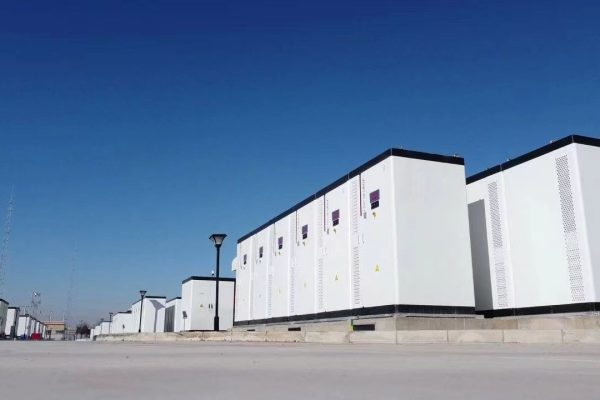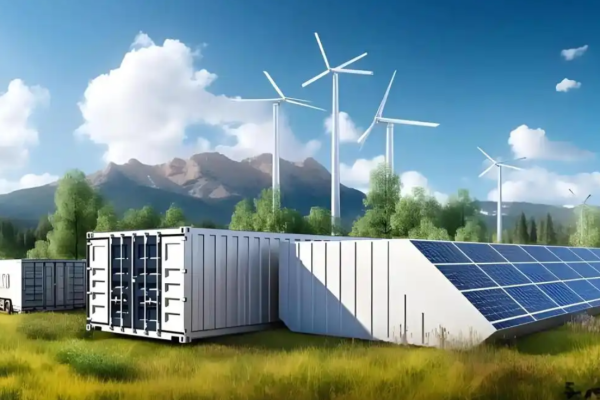
As energy systems evolve toward decentralization and resilience, modular energy storage units are becoming a key design concept in modern infrastructure. Rather than relying on large, centralized systems, modular architectures enable flexible deployment across diverse applications—ranging from urban microgrids to commercial and industrial facilities.
What Are Modular Energy Storage Units?
Modular energy storage units are standardized building blocks of energy storage systems. Each module typically integrates battery cells, battery management systems (BMS), and basic thermal and structural components into a compact, self-contained unit. These modules can be combined in parallel or series to scale system capacity and power based on specific project requirements.
This “building block” approach allows system designers to configure solutions that are tailored to different load profiles, space constraints, and operational conditions—without redesigning the entire system from scratch.
Key Advantages of Modular Design
1. Scalability and Flexibility
One of the most significant benefits of modular systems is scalability. Capacity can be expanded incrementally by adding more units, making it easier to adapt to changing energy demands over time.
2. Simplified Installation and Deployment
Pre-engineered modules reduce on-site complexity. Installation becomes faster and more predictable, especially in projects where space, time, or labor resources are constrained.
3. Maintenance and Serviceability
In modular systems, individual units can be serviced or replaced without shutting down the entire system. This improves overall system availability and reduces downtime.
4. Logistics and Transportation Efficiency
Smaller, standardized units are easier to transport and handle compared to large, monolithic systems. This is particularly valuable for deployments in remote or densely populated areas.
Application Scenarios
Modular energy storage units are particularly well-suited for:
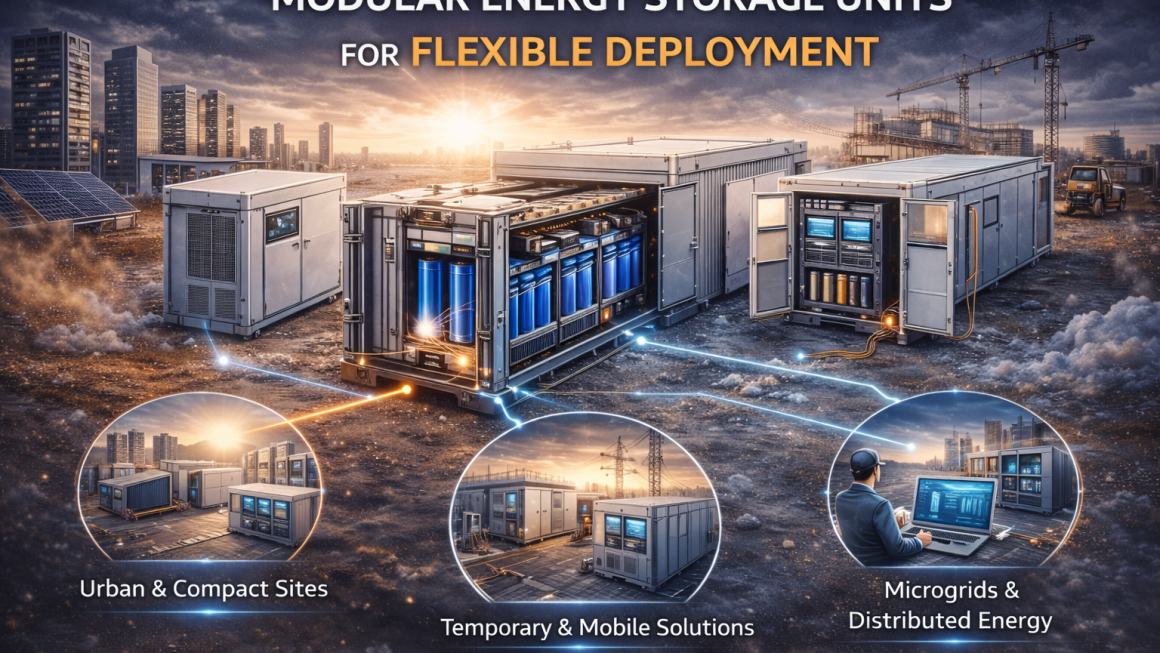
- Urban environments where space is limited and systems must be integrated into existing infrastructure
- Commercial & industrial facilities requiring phased capacity expansion
- Microgrids and distributed energy systems where flexibility and redundancy are critical
- Temporary or mobile energy solutions such as construction sites or event-based power supply
Design Considerations
While modularity offers clear advantages, it also introduces new design considerations:
- System Integration: Ensuring seamless communication and control across multiple modules
- Thermal Management: Maintaining uniform temperature distribution as system size increases
- Electrical Architecture: Balancing power distribution and minimizing losses between modules
- Safety Coordination: Implementing protection mechanisms that function both at module level and system level
A System-Level Perspective
Modular energy storage is not just about dividing capacity into smaller units—it is about designing systems that can adapt, evolve, and respond to real-world constraints. The integration of modules with power conversion systems (PCS), energy management systems (EMS), and site-specific infrastructure ultimately defines system performance.
From a conceptual standpoint, modular design represents a shift toward more agile and resilient energy systems. It enables a structured yet flexible approach to deployment, aligning well with the dynamic nature of modern energy demand.