
In today’s rapidly evolving energy landscape, scalability and flexibility are key to the success of energy storage systems (ESS). With increasing demand for renewable energy, commercial and residential battery storage solutions must be designed to grow as energy needs evolve. This is where modular design comes into play—allowing energy storage systems to be easily expanded, upgraded, or adapted to changing requirements.
Modular energy storage solutions offer a way to build systems that are scalable, efficient, and future-proof. By breaking down the system into manageable modules, engineers can design ESS that not only meet current energy demands but are also adaptable to future needs. This approach supports grid integration, renewable energy storage, and backup power applications while providing cost-effective, long-term solutions for businesses and homeowners.
This article explores the benefits and principles of modular design in ESS, as well as how it drives scalability, performance, and cost-effectiveness.
1. What is Modular Design in ESS?
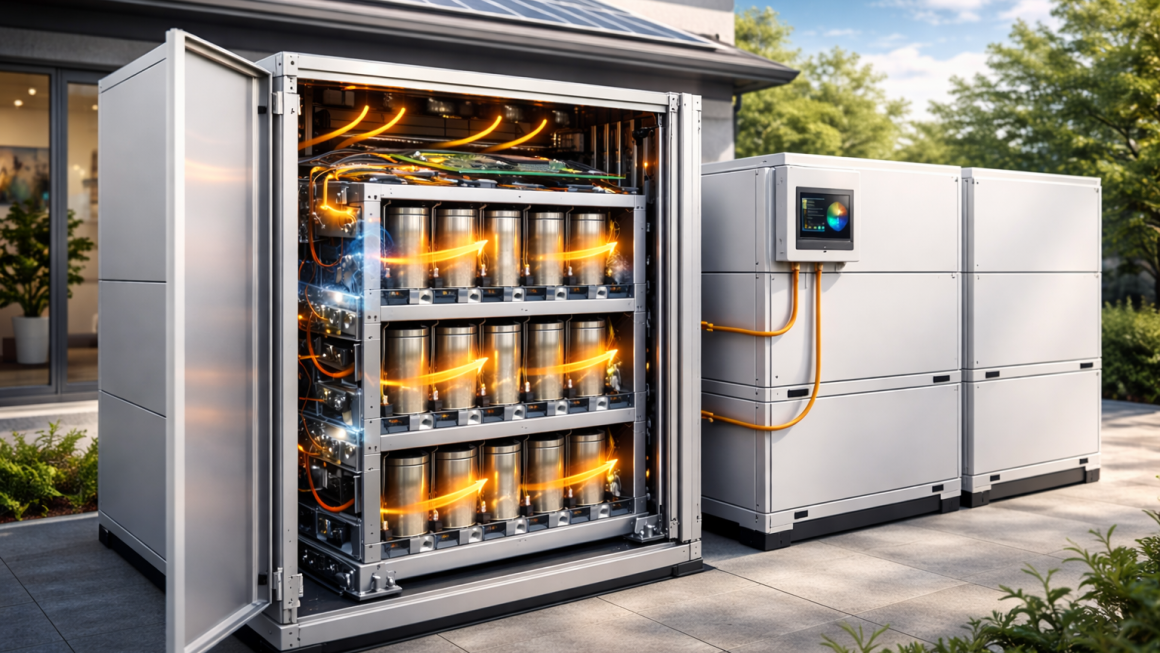
Modular design refers to the practice of dividing an energy storage system into smaller, self-contained units (modules) that can be easily combined or expanded. Each module generally includes essential components such as:
- Battery cells: Lithium-ion, LFP, or other high-performance batteries.
- Battery Management System (BMS): Intelligent software for monitoring and controlling the battery pack.
- Thermal management components: Ensuring that the system remains within optimal temperature ranges.
- Electrical connections: Ensuring smooth power distribution and integration with the larger system.
The modular approach enables ESS to be tailored to different energy needs and environments by adding or removing modules based on requirements. This can involve scaling for higher power output, increasing energy capacity, or improving system redundancy for enhanced reliability.
2. Key Benefits of Modular Design for ESS
1. Scalability
One of the primary advantages of modular ESS design is its ability to scale. As energy demands grow or change, modules can be added or replaced without requiring a complete system overhaul. This allows users to:
- Start small with a basic system and expand gradually as energy consumption increases.
- Integrate with renewable energy sources (such as solar panels or wind turbines) by adding modules to store the generated energy.
- Adapt the system to future technological advances, such as more efficient batteries or improved control systems, without major system changes.
The modular approach ensures that ESS can grow in capacity and complexity as needed, making them ideal for both residential and commercial applications.
2. Flexibility
Modular systems are not only scalable but also highly flexible. The ability to mix and match different module sizes and configurations allows for a wide range of applications, including:
- Customizable energy solutions: Tailored ESS for varying power needs.
- Integration with existing infrastructure: New modules can be integrated with older ESS systems to boost performance or extend lifespan.
- Easier upgrades: Modules can be swapped out for newer technologies without disturbing the rest of the system.
This flexibility makes modular ESS highly adaptable to diverse environments, from homes and offices to industrial complexes and remote locations.
3. Reliability and Redundancy
In traditional ESS, failure of a single component or battery could lead to a total system shutdown. With modular design, each module operates independently, so the failure of one module does not affect the entire system. This redundancy enhances the reliability and availability of the system, especially in critical applications like:
- Grid-scale energy storage for balancing supply and demand.
- Backup power systems for businesses or homes during outages.
- Peak shaving to manage high-energy demand periods.
Furthermore, since each module can be individually monitored, it becomes easier to identify and replace malfunctioning components without interrupting the system’s operation.
3. Cost-Effectiveness of Modular Systems
Modular design also offers cost advantages, particularly in commercial and industrial ESS applications:
- Lower initial investment: Modular systems allow users to start with a small-scale setup and gradually expand as needed, avoiding the large upfront costs of a large ESS system.
- Reduced maintenance costs: With individual modules that can be easily swapped out, maintenance and repairs become simpler and less expensive.
- Optimized energy use: By expanding storage capacity based on real-time demand, ESS operators can avoid over-investing in capacity that may not be needed immediately.
Overall, the ability to optimize both capital expenditure (CapEx) and operational expenditure (OpEx) makes modular ESS a highly attractive solution for energy storage projects.
4. How Modular Design Enhances Performance
Modular designs also improve the performance of ESS systems by enabling:
- Efficient energy distribution: Modules are designed to operate independently, meaning they can be fine-tuned for optimal power performance based on the energy flow needs of the system.
- Optimized heat management: Thermal management systems can be implemented on a per-module basis, ensuring that energy is stored and used at the most efficient temperatures.
- Distributed control: Each module typically has its own BMS, which improves fault tolerance and operational efficiency by reducing communication delays and ensuring more precise control over energy flow.
With modular designs, each ESS module can be optimized to meet the specific demands of its environment, enhancing overall system efficiency and performance.
5. Applications of Modular ESS Solutions
Modular ESS solutions are ideal for a wide range of applications, including:
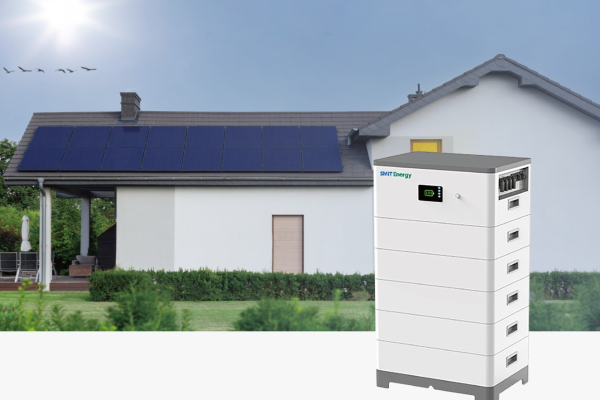
- Residential energy storage: Homeowners can start with a small system and expand it as their energy needs grow, often integrating with solar panels.
- Commercial energy storage: Businesses can use modular ESS to manage energy costs by storing off-peak energy for use during peak demand hours or to ensure uninterrupted power during outages.
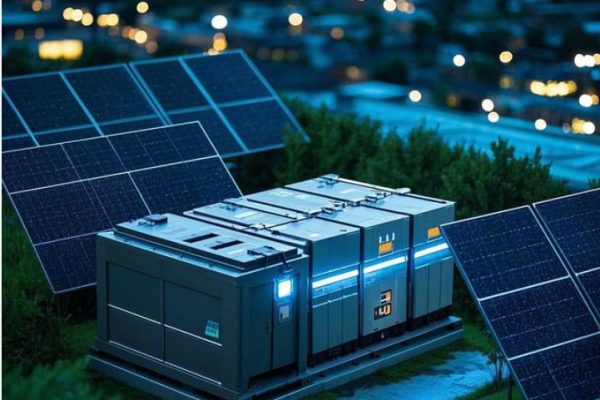
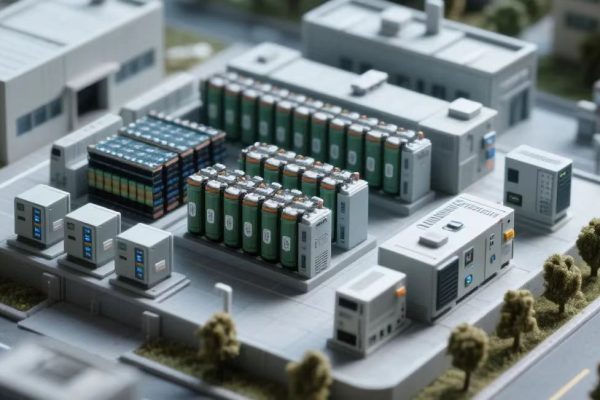
- Grid-scale energy storage: Modular ESS can be deployed in large-scale energy storage projects to balance supply and demand, support renewable energy integration, and provide grid stability.
Conclusion
Modular design is a game-changer in the world of energy storage. By offering scalability, flexibility, and redundancy, modular energy storage systems empower users to create tailored solutions that grow with their needs, while maximizing performance and minimizing costs.
As the demand for sustainable energy solutions increases, the ability to easily expand and integrate new technologies will be key to ensuring that energy storage systems remain efficient, reliable, and future-proof. Modular ESS solutions, especially when coupled with advanced materials like graphene, represent the future of energy storage, providing smarter, more flexible, and more cost-effective ways to manage energy in both residential and commercial applications.