

In industrial facilities, energy consumption is typically characterized by fluctuating load profiles, with significant peaks during certain operations such as machinery startups, cooling cycles, or high-demand processing periods. Managing these fluctuations can result in significant cost savings, enhanced operational efficiency, and reduced environmental impact. Integrated storage solutions, such as battery energy storage systems (BESS), can play a pivotal role in optimizing industrial load management, enabling businesses to reduce demand charges, maximize energy efficiency, and improve reliability.
This article explores how integrated storage solutions help optimize industrial load profiles, improve energy efficiency, and reduce costs through practical, deployable strategies. It highlights key technical insights, field-proven examples, and future growth potential for industrial sectors.
1. The Need for Industrial Load Optimization
Industrial facilities account for a significant portion of global energy consumption. Energy costs, driven largely by demand charges, can account for as much as 50% of total utility expenses for industries with high peak demands. Load peaks often occur at random intervals during the day, making it difficult to predict and manage consumption.
Challenges faced by industries:
- High peak demand charges: Utilities typically charge based on the maximum energy demand recorded during a specific billing period (e.g., 15 or 30-minute peak).
- Grid instability: Variations in energy supply, especially in regions with unreliable grids, can disrupt operations.
- Energy wastage: Excess energy during low-demand periods can be wasted, reducing overall system efficiency.
- Inefficient equipment management: Many industrial processes require large, sudden bursts of power, which can cause inefficiencies in energy distribution and overall performance.
To address these challenges, industries are increasingly turning to integrated storage solutions to smooth out energy demand curves, reduce peak loads, and optimize energy usage.
2. How Integrated Storage Solutions Work
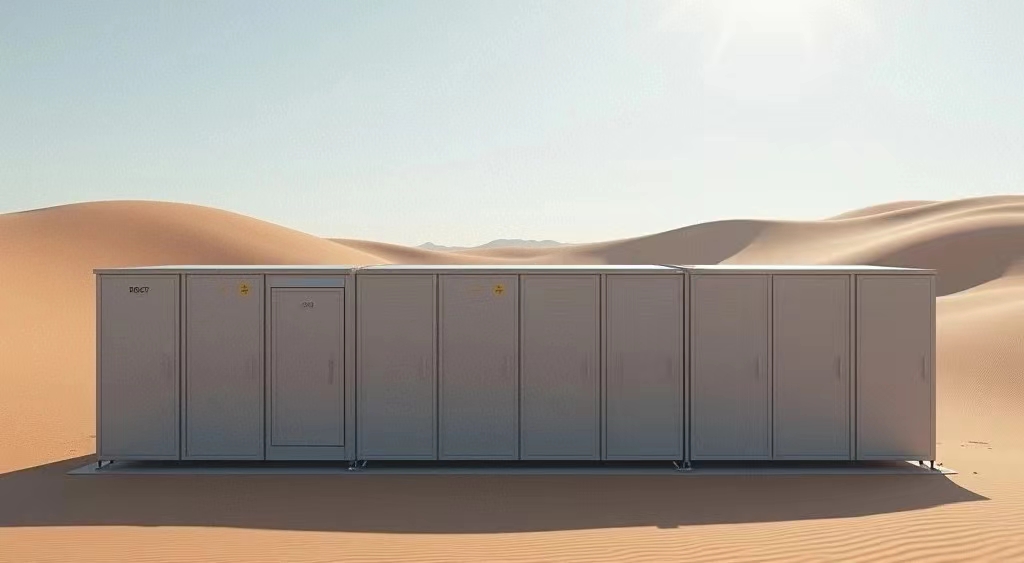
At the core of load optimization is battery energy storage systems (BESS), which store excess energy during off-peak hours (or during low-cost periods) and discharge it during high-demand times. The integration of these storage systems with renewable energy sources such as solar or wind provides industries with an affordable and efficient means of optimizing their energy consumption.
Key components of integrated storage solutions:
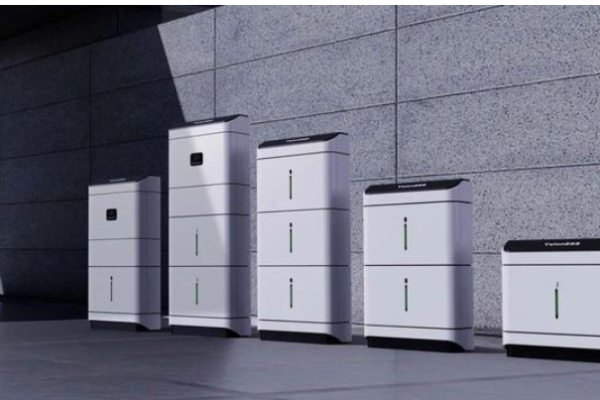
- Energy Storage (BESS): Typically uses lithium-ion or lead-acid batteries for energy storage. The storage system provides on-demand energy when demand spikes, helping to reduce the need for grid-supplied power.
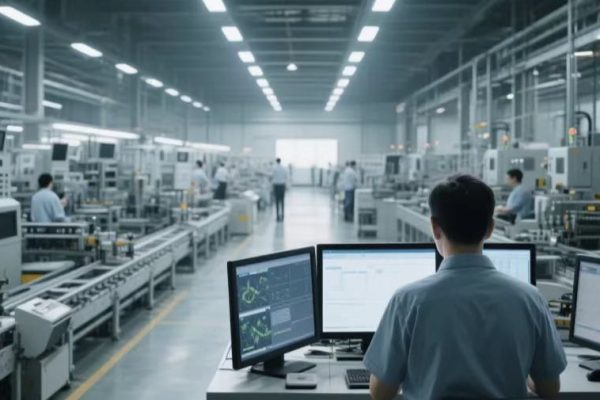
- Energy Management System (EMS): Central to any industrial energy system, an EMS continuously monitors energy usage, forecasts future load demand, and adjusts storage and distribution accordingly.
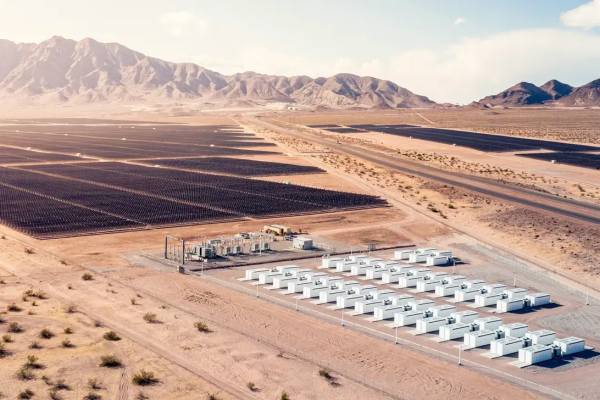
- Renewable Integration: Solar, wind, or combined heat and power (CHP) systems can be coupled with BESS to ensure a higher degree of sustainability and cost-effectiveness by generating and storing clean energy.
- Inverter and Power Conversion Systems: Converts the DC energy from the battery to AC energy, making it compatible with industrial equipment.
By combining these components, industries can create a smart grid that adapts in real-time to energy demands and supply conditions, ensuring that energy is used as efficiently as possible.
3. Optimizing Load with Integrated Storage: Best Practices
3.1 Predictive Demand Response
Predictive demand response allows an industrial facility to manage its energy use based on load forecasts. By integrating advanced predictive algorithms and weather forecasts into the EMS, facilities can better prepare for energy spikes and optimize storage usage.
Best practice:
- Deploy machine learning algorithms to predict load behavior based on historical data, seasonal trends, and external variables (e.g., weather conditions, shift patterns).
- Charge storage systems during periods of low energy demand or when energy prices are low (e.g., overnight or during periods of abundant renewable generation).
This proactive approach reduces reliance on grid power during high-cost periods, while maintaining system stability and operational efficiency.
3.2 Peak Shaving and Load Shifting
Peak shaving and load shifting are critical strategies for reducing demand charges. These methods use storage systems to flatten the load curve by discharging energy during peak times and storing energy when demand is low.
Best practice:
- Deploy BESS to smooth out load fluctuations. For example, store excess energy during non-peak hours (e.g., late at night) and discharge the energy during peak demand periods (e.g., during the day).
- Load shifting can be achieved by strategically scheduling energy-intensive operations during low-cost or off-peak periods (e.g., late night or weekends), thus reducing the load on the grid.
By using these strategies, industrial facilities can significantly lower their energy bills and avoid costly peak demand charges, improving both their financial performance and environmental footprint.
3.3 High-Efficiency Equipment Integration
Integrated storage solutions can also be paired with high-efficiency equipment that uses energy more effectively. This includes optimizing HVAC systems, using energy-efficient lighting, and upgrading machinery to consume less power.
Best practice:
- Use variable-speed drives (VSDs) for pumps, compressors, and fans, allowing equipment to adjust power consumption based on real-time load demand.
- Couple efficient equipment upgrades with energy storage to further reduce reliance on grid energy.
By coupling energy storage with energy-efficient equipment, industries can ensure that they are not only optimizing load, but also maximizing the energy efficiency of their operations.
4. Real-World Example: Manufacturing Facility with Integrated Storage
Location: Midwest USA
Industry: Automotive manufacturing
Energy Demand: 2.5 MW peak demand
Challenge: High peak demand charges, with energy costs accounting for 30% of operational expenses.
Solution:
A 500 kW / 1,000 kWh BESS was installed alongside a 500 kW solar PV system to manage the facility’s energy consumption more effectively. The system was integrated with the facility’s existing energy management system (EMS), which allowed for:
- Predictive peak shaving based on load forecasting.
- Solar PV integration to reduce reliance on grid power during the day.
- BESS discharging during peak periods to meet load demands without incurring high demand charges.
- Dynamic load shifting of energy-intensive operations to times of the day when solar energy generation was abundant, or when electricity costs were lower.
Results:
- Demand charges were reduced by 20% annually.
- Solar production accounted for 35% of total energy consumption during peak daylight hours.
- Energy costs were reduced by 15%, with the storage system providing a significant return on investment in just 2.5 years.
- System reliability increased, with minimal disruptions even during grid instability.
5. Key Considerations for Implementing Integrated Storage Solutions
5.1 Energy Storage Sizing
Proper sizing of the energy storage system is essential to ensure that the system is cost-effective and efficient. Over-sizing or under-sizing the storage can lead to unnecessary costs or insufficient capacity to meet peak demand.
5.2 System Integration with Existing Infrastructure
Ensure that the integrated storage solution is compatible with existing industrial infrastructure, including:
- Inverters and grid connection points
- Energy management systems (EMS)
- On-site renewable generation (e.g., PV, wind)
- Load profiles and equipment requirements
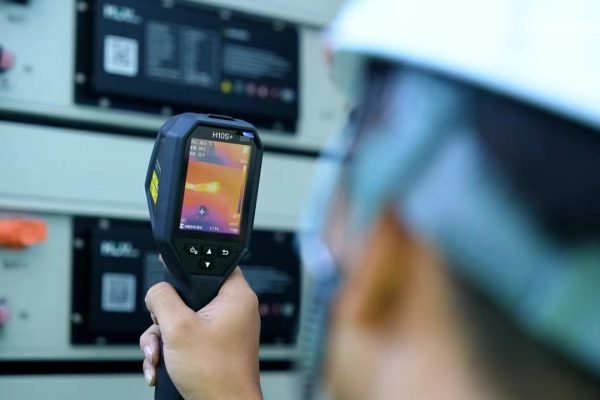
5.3 Battery Life and Maintenance
Consider the expected cycle life and maintenance requirements of the storage technology. Lithium-ion batteries, for example, offer longer cycle lives than lead-acid batteries but require a higher upfront investment.
5.4 Regulatory and Incentive Considerations
Ensure compliance with local regulations regarding energy storage and renewable energy generation. Additionally, investigate government incentives or utility programs that may offset initial installation costs.
Integrated storage solutions offer a powerful tool for optimizing industrial load management, reducing energy costs, and improving energy efficiency. By combining predictive demand response, peak shaving, and load shifting, industrial facilities can maximize the value of their energy resources, avoid high demand charges, and create more sustainable energy systems.
As more industries adopt these solutions, we can expect to see significant improvements in operational efficiency, cost savings, and environmental impact. The future of industrial energy management is bright, and integrated storage is at the heart of this transformation.