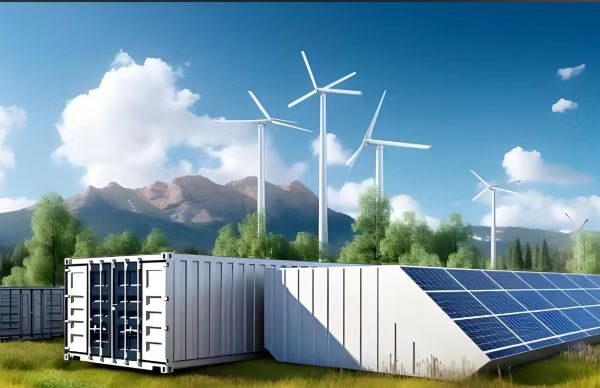

As the global energy transition accelerates, the structure of power systems is shifting from centralized fossil-based generation to distributed, renewable, and multi-source energy networks. Solar PV, wind power, diesel backup, hydrogen systems, and grid connections are increasingly integrated into unified architectures.
At the center of this transformation lies one critical enabler: Hybrid Energy Storage Systems (HESS) — and more specifically, battery modules.
While hybrid systems combine multiple energy storage technologies, battery modules serve as the core stabilizing and coordinating layer, enabling efficient multi-source integration, real-time energy balancing, and long-term system reliability.
For companies building next-generation energy solutions, understanding the role of battery modules is not optional—it is foundational.
What Is a Hybrid Energy Storage System?
A Hybrid Energy Storage System integrates different energy storage technologies—such as lithium-ion batteries, supercapacitors, flywheels, and hydrogen storage—into a single coordinated platform.
Each technology contributes unique strengths:
- Batteries → high energy density, medium response time
- Supercapacitors → ultra-fast response, high power density
- Flywheels → frequency regulation and short-term buffering
- Hydrogen systems → long-duration storage
This combination allows hybrid systems to deliver both:
- Short-term power stability
- Long-term energy supply
Such dual capability is essential for modern grids facing renewable intermittency and fluctuating demand.
Why Multi-Source Integration Requires Hybrid Systems
Modern energy systems are no longer linear—they are multi-directional and multi-source. A typical microgrid may include:
- Solar PV generation
- Wind turbines
- Grid connection
- Diesel or gas generators
- EV charging loads
- Industrial demand fluctuations
These sources and loads operate at different timescales and variability levels.
For example:
- Solar output fluctuates within seconds due to clouds
- Wind varies unpredictably
- Industrial loads spike suddenly
- Backup generators require ramp-up time
Without proper coordination, this leads to:
- Voltage instability
- Frequency deviations
- Energy curtailment
- Increased operational costs
Hybrid energy storage systems solve this by acting as a buffer and coordinator between all sources.
The Central Role of Battery Modules
Within hybrid systems, battery modules are not just storage units—they are the core operational backbone.
1. Energy Buffer and Load Balancer
Battery modules absorb excess energy and release it when needed, enabling:
- Peak shaving
- Load shifting
- Renewable smoothing
They provide both short-term and medium-term storage, making them essential for stabilizing hybrid systems.
For example:
- During high solar generation → batteries store excess energy
- During peak demand → batteries discharge to reduce grid stress
2. Bridging Different Energy Timescales
One of the most important roles of battery modules is bridging the gap between fast and slow energy systems:
- Supercapacitors handle millisecond-level fluctuations
- Batteries handle seconds to hours
- Hydrogen or thermal systems handle long-duration storage
In hybrid configurations, batteries act as the middle layer, ensuring smooth transitions between these technologies.
This layered approach significantly improves overall system efficiency and reliability.
3. Protecting Other Storage Technologies
Hybrid systems are designed to reduce stress on individual components.
For instance:
- Supercapacitors absorb sudden power spikes
- Batteries handle steady discharge
- Hydrogen systems avoid frequent cycling
By distributing power intelligently:
- Battery degradation is reduced
- Thermal stress is minimized
- System lifetime is extended
This is especially critical in high-cycle applications such as EV charging hubs or AI data centers.
4. Enabling Real-Time Energy Management
Battery modules are deeply integrated with:
- BMS (Battery Management Systems)
- EMS (Energy Management Systems)
- Power electronics (PCS, converters)
Together, they form a real-time decision-making system.
Advanced hybrid systems use:
- Multi-port converters
- Dynamic power allocation
- AI-based optimization
These technologies allow:
- Instant response to load changes
- Optimal energy dispatch
- Reduced energy losses
Modern modular battery systems can even reconfigure in real time, achieving high efficiency and fast response speeds.
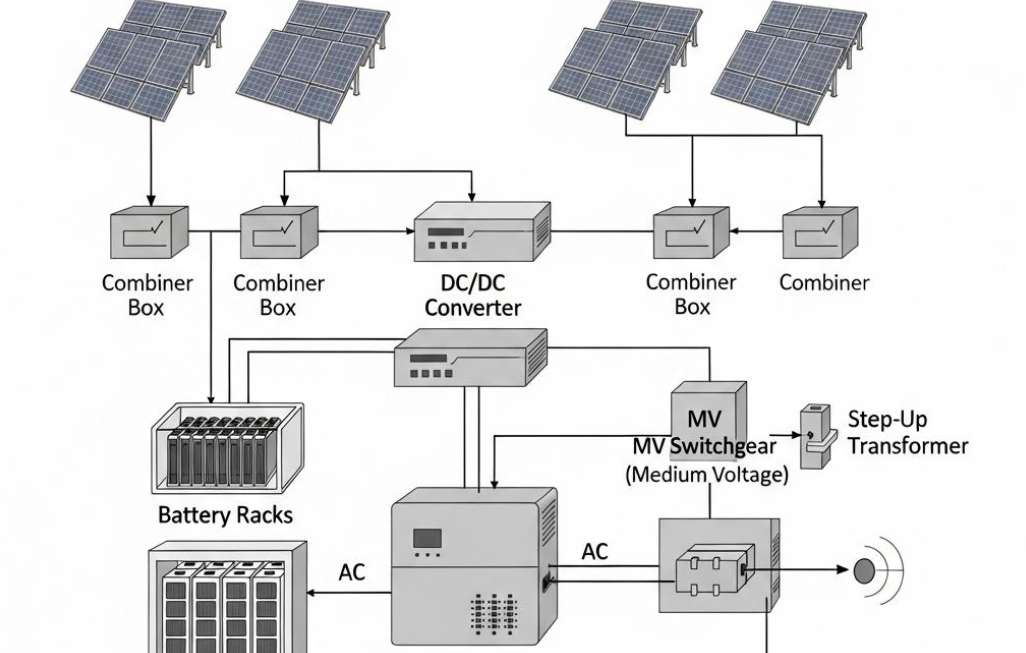
5. Supporting Multi-Source Integration Architectures
Battery modules play a key role in integrating multiple energy inputs into a unified system.
Typical integration architectures include:
DC-Coupled Systems
- Batteries connect directly to DC bus
- Efficient for solar + storage
AC-Coupled Systems
- Flexible integration with existing grid
Multi-Port Converter Systems
- Simultaneous connection of multiple storage types
- Centralized control and compact design
These architectures rely on battery modules as the core energy node.
Real-World Example: Hybrid Microgrid Systems
A practical example of hybrid energy storage can be seen in microgrid applications.
In advanced hybrid microgrids:
- Battery systems provide immediate response
- Fuel cells or generators provide sustained output
For instance, hybrid systems combining lithium batteries and hydrogen fuel cells allow:
- Batteries to deliver instant power
- Fuel cells to take over for long-duration supply
This coordination ensures continuous and stable energy delivery, even during grid outages.
Modularity: The Key Advantage of Battery Systems
One of the most important characteristics of modern battery modules is modularity.
Modular battery systems allow:
- Flexible capacity scaling (kWh → MWh)
- Easy system expansion
- Fault isolation and redundancy
- Simplified maintenance
In commercial and industrial applications, modular battery systems are often integrated into:
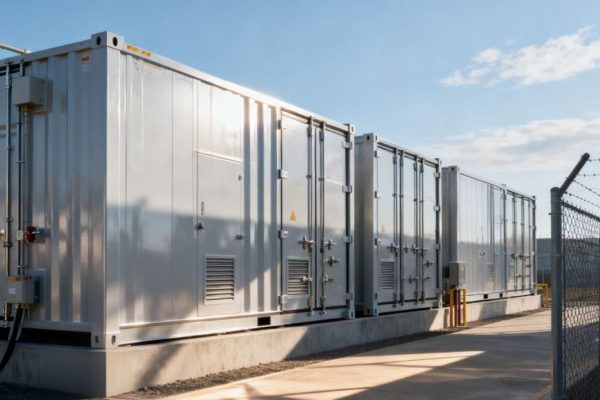
- Containerized energy storage systems
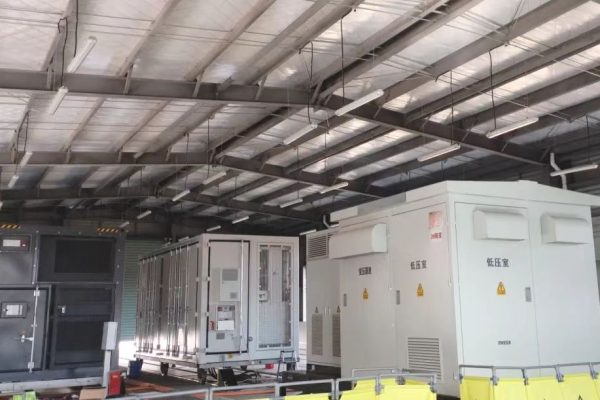
- Cabinet-based microgrids
- Distributed energy nodes
These systems can seamlessly integrate with PV, grid, and generators, supporting multiple operational modes and improving overall system flexibility.
Challenges in Battery-Centric Hybrid Systems
Despite their advantages, battery modules also introduce challenges:
1. Thermal Management
Battery performance and safety depend heavily on temperature control.
2. State of Charge (SoC) Constraints
Fully charged batteries cannot absorb excess energy, limiting flexibility.
3. Degradation Over Time
Improper load distribution can accelerate aging.
4. System Complexity
Hybrid systems require advanced control strategies and coordination.
These challenges highlight the importance of:
- Advanced materials (e.g., thermal interface materials, conductive additives)
- Intelligent system design
- Integrated engineering solutions
The Future: Toward Fully Integrated Energy Systems
Hybrid energy storage systems are a key enabler of sector coupling—the integration of electricity with transportation, heating, and industrial systems.
Future developments will focus on:
- AI-driven energy management
- Solid-state batteries
- Advanced power electronics
- Multi-layer system integration
Battery modules will continue to evolve from simple storage units into:
Intelligent energy nodes within complex, distributed energy ecosystems
How gr-newenergy.com Supports Hybrid Energy Systems
At gr-newenergy.com, we approach hybrid energy storage from a material-to-system perspective:
- Advanced materials for thermal management and conductivity
- Battery-related components and intermediate solutions
- Support for pilot-scale and system integration development
Rather than focusing solely on large-scale deployment, our strength lies in:
- Bridging materials → applications → system integration
- Supporting early-stage and mid-scale energy solutions
- Enabling more efficient and reliable hybrid energy architectures
As hybrid systems become more complex, the importance of materials and module-level design will only increase.
Hybrid Energy Storage Systems are redefining how energy is generated, stored, and used.
Within these systems, battery modules serve as:
- The energy buffer
- The control interface
- The integration hub
They enable multi-source coordination, improve system efficiency, and ensure stability in increasingly complex energy networks.
As the energy transition continues, the question is no longer whether hybrid systems will dominate—but how effectively they can be designed and integrated.
And at the heart of that answer lies the evolving role of battery modules.