
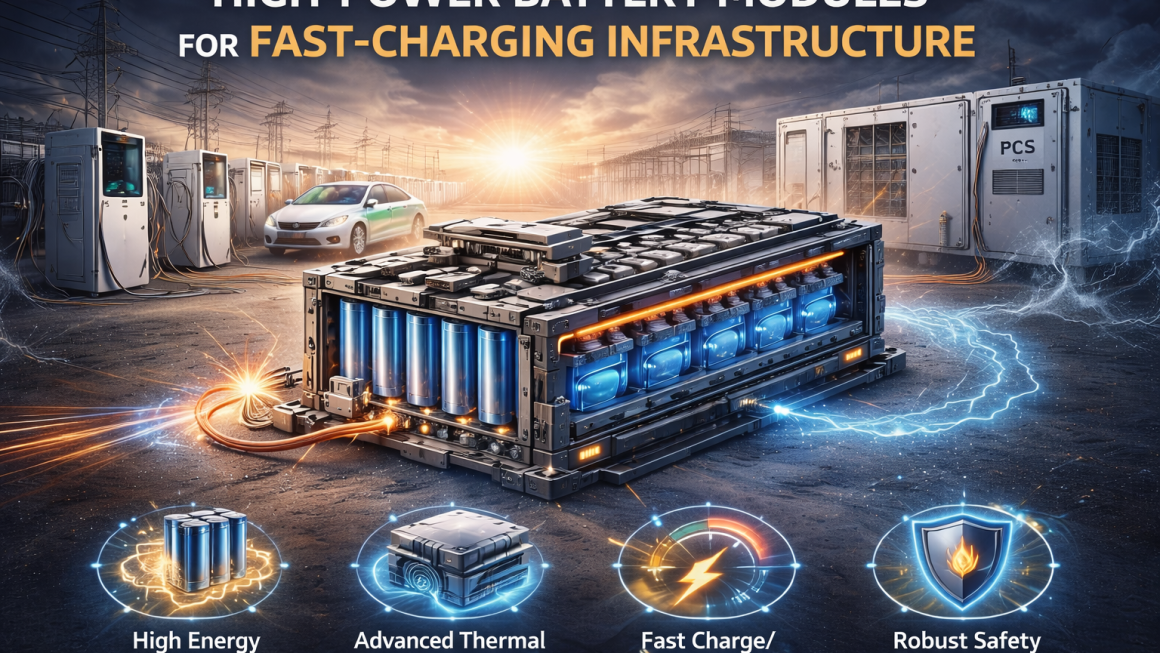
As electric vehicles (EVs) continue to grow in adoption worldwide, the demand for fast, reliable, and efficient charging infrastructure has become critical. High-power charging stations, often delivering 150 kW to 350 kW or more, present unique challenges for energy storage systems (ESS). At the heart of these systems lie high-power battery modules, which act as the core enabler of safe, consistent, and scalable fast-charging operations.
Understanding the role, design, and application of high-power battery modules is essential for developing charging solutions that meet modern EV demands.
🔹 Why High-Power Modules Are Key
High-power charging stations create a burst-load scenario:
- A single EV charging session at 250 kW may equal the peak power consumption of a small commercial building.
- Multiple fast chargers operating simultaneously can reach megawatt-level instantaneous demand.
Directly drawing this power from the grid may:
- Overload local infrastructure
- Increase demand charges
- Reduce reliability and consistency
Battery modules act as an energy buffer, storing energy at lower grid draw rates and delivering high instantaneous power to EVs.
⚡ Core Benefits of High-Power Battery Modules
1. Peak Shaving
Battery modules store energy during periods of low grid demand and release it during high-power charging events, minimizing stress on the electrical grid and reducing operational costs.
2. Grid Decoupling
High-power modules allow fast-charging stations to operate in areas with limited grid capacity, enabling reliable charging without expensive grid upgrades.
3. Consistent Power Delivery
By acting as a high-response energy reservoir, modules ensure that charging sessions remain stable and efficient, even with fluctuating demand.
4. Renewable Energy Integration
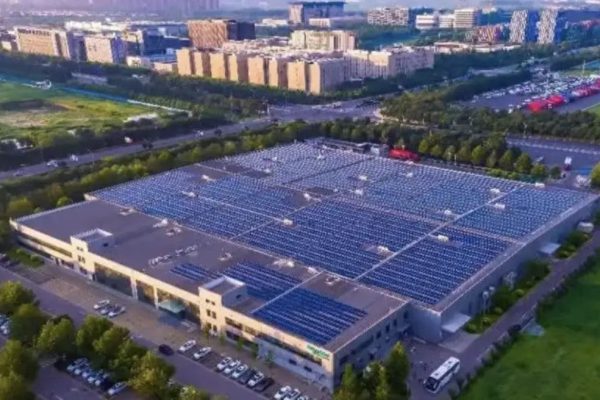
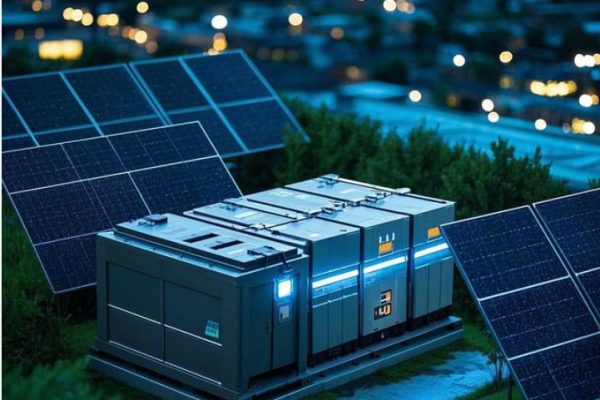
Modules can store intermittent solar or wind energy to supply EV chargers, reducing reliance on the grid and enabling more sustainable operation.
🏗️ Design Considerations for High-Power Modules
Designing battery modules for fast-charging infrastructure requires careful engineering to manage power, heat, and safety.
Electrical Performance
- High C-rate cells enable rapid charge/discharge cycles.
- Low internal resistance reduces energy loss and heat generation.
- Parallel and series configurations are optimized for voltage and current requirements of fast chargers.
Thermal Management
High-power operation generates significant heat:
- Active cooling (liquid or air) ensures cells operate within safe temperature ranges.
- Thermal interface materials improve heat dissipation.
- Efficient thermal design enhances both safety and module lifespan.
Mechanical Integrity
Modules must withstand:
- Repeated thermal expansion and contraction
- Vibrations from infrastructure or transportation
- Long-term operational stress
Safety Integration
High-power battery modules incorporate:
- Monitoring sensors (voltage, current, temperature)
- Fail-safe circuits for overcurrent, overvoltage, or short-circuit scenarios
- Thermal barriers to prevent cascading failures
🔌 Applications in Fast-Charging Infrastructure
High-power battery modules are used in multiple scenarios:
Highway and Fleet Charging Hubs
- Support multiple high-power chargers simultaneously
- Reduce peak demand on the local grid
- Enable reliable service for long-distance EV operations
Urban EV Charging Stations
- Compensate for grid constraints in dense city areas
- Provide consistent power during high-demand periods
- Can integrate with building energy management systems
Renewable-Powered Chargers
- Store solar or wind energy locally
- Supply EV chargers during peak hours
- Minimize energy costs and carbon footprint
💡 System Integration Considerations
Battery modules are not standalone—they are integrated with:
- Power Conversion Systems (PCS) to match grid and charger voltage requirements
- Energy Management Systems (EMS) for intelligent energy dispatch
- Monitoring and control systems for safety and efficiency
Proper integration ensures modules deliver peak performance and support long-term operational reliability.
🔄 Modular Benefits
High-power battery modules are typically modular, offering:
- Flexible scaling of system capacity
- Easy replacement and maintenance
- Redundant design for enhanced reliability
This modular approach allows infrastructure operators to expand or adapt systems based on demand growth.
🚀 Trends in High-Power Battery Modules
- Higher energy density and faster response for ultra-fast charging (350–500 kW)
- AI-assisted energy management for predictive load balancing
- Hybrid integration with supercapacitors for peak-load handling
- Second-life battery use for cost-effective deployment
High-power battery modules are a critical enabler of modern EV fast-charging infrastructure, providing:
- Peak shaving and grid decoupling
- Stable, consistent power delivery
- Integration with renewable sources
- Scalable, modular deployment
Proper design and integration of these modules determine the efficiency, safety, and reliability of fast-charging systems. For operators and integrators, focusing on battery module performance is key to meeting the demands of an electrified transportation future.