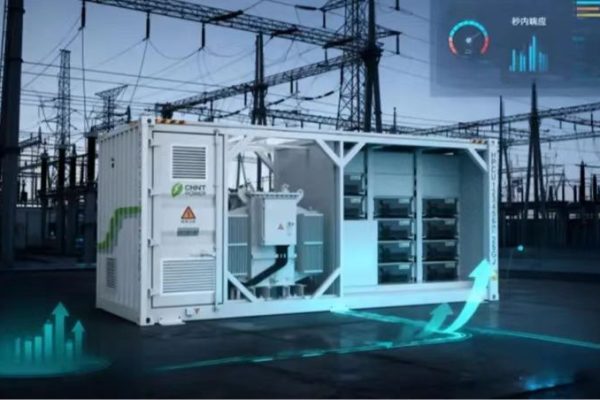




As energy systems shift toward decentralization and resilience, hybrid microgrids are becoming a critical solution for residential communities, commercial facilities, and remote infrastructure. By combining solar, battery storage, and sometimes diesel or grid backup, hybrid microgrids offer reliable power while reducing dependence on centralized utilities.
At the heart of every successful microgrid lies a robust energy storage system (ESS). But building a reliable ESS is not just about battery cells. It requires carefully designed modules, conductive pathways, thermal management, sensing, and control. Advanced ESS components play a crucial role in ensuring that hybrid microgrids operate efficiently, safely, and predictably.
This article explores how modern ESS components contribute to hybrid microgrid design and why material-level and module-level optimization matters for long-term performance.
1. What Is a Hybrid Microgrid?
A hybrid microgrid typically integrates multiple power sources:
- Solar PV
- Battery energy storage
- Grid connection (optional)
- Backup generator (diesel or gas)
- Smart control systems
The goal is to balance generation and demand while maintaining stable power. Energy storage systems enable this by storing excess energy and delivering it when needed.
In many deployments, the ESS is responsible for:
- Peak shaving
- Backup power
- Frequency stabilization
- Load shifting
- Renewable smoothing
Because of this central role, the performance of the ESS determines the reliability of the entire microgrid.
2. Why ESS Components Matter in Microgrid Design
In hybrid microgrids, battery systems operate under variable conditions:
- Fluctuating solar input
- Rapid load changes
- Partial charge cycles
- Frequent switching between sources
These dynamic conditions place stress on both cells and module components. Poor thermal control, uneven conductivity, or unstable sensing can reduce system efficiency or cause premature degradation.
Advanced ESS components help address these challenges by improving:
- Thermal stability
- Electrical conductivity
- Mechanical durability
- Monitoring accuracy
- System safety
A well-designed ESS module ensures that the microgrid can respond quickly and reliably to changing energy conditions.
3. Conductive Pathways and Power Flow
Efficient power flow is essential in hybrid microgrids, especially during peak demand or fast charging from solar.
Advanced conductive components improve performance in several areas:
Busbars and connectors
Low-resistance materials reduce energy losses and heat generation.
Conductive coatings
Surface treatments help maintain stable electrical contact and prevent corrosion.
Nanocarbon additives
Graphene and CNT-based materials can improve conductivity in coatings and composites without adding significant weight.
Stable conductive pathways ensure that the ESS can deliver power quickly and maintain consistent voltage under varying loads.
4. Thermal Management in Microgrid ESS
Temperature control is one of the most important factors affecting battery life and safety. In hybrid microgrids, thermal conditions can vary widely:
- Outdoor installations
- High ambient temperatures
- Enclosed cabinets
- Rapid charge/discharge cycles
Advanced thermal components help maintain stable operation:
- Heat-spreading plates
- Thermal interface materials
- Conductive coatings
- Airflow-friendly module design
Nanocarbon-enhanced materials are increasingly used to improve heat distribution across modules. Better heat spreading reduces hotspots and helps maintain consistent performance across all cells.
For microgrids operating in remote or hot environments, effective thermal management can significantly extend system lifetime.
5. Sensing and Control Integration
Hybrid microgrids rely heavily on accurate monitoring. The BMS and control systems must track:
- Cell voltage
- Temperature
- Current
- State of charge
Advanced ESS components support sensing accuracy by:
- Providing stable conductive surfaces
- Reducing electrical noise
- Improving signal integrity
- Enhancing grounding and shielding
When sensors receive reliable data, the control system can optimize charging, discharging, and load balancing more effectively.
6. Mechanical Reliability in Real-World Installations
Microgrid installations may face mechanical stress from:
- Transportation
- Vibration
- Thermal expansion
- Outdoor conditions
Module-level reinforcement is often overlooked but critical. Advanced composite materials and reinforced coatings help:
- Maintain consistent cell compression
- Prevent connector loosening
- Protect against environmental exposure
- Improve long-term structural integrity
Mechanical stability ensures that electrical and thermal pathways remain consistent over years of operation.
7. Safety Considerations
Safety is central to hybrid microgrid design. Advanced ESS components contribute to safety by:
- Reducing localized heating
- Improving electrical stability
- Supporting uniform current distribution
- Enhancing enclosure grounding
- Improving thermal dissipation
By stabilizing both electrical and thermal conditions, advanced materials reduce the likelihood of failure events and improve system reliability.
8. Material-to-System Integration
Modern microgrid design requires thinking beyond individual components. Engineers increasingly adopt a material-to-system approach, considering how materials used in coatings, interfaces, and structural parts affect overall system behavior.
Key areas of integration include:
- Conductive coatings on busbars
- Thermal interface materials in modules
- EMI shielding materials
- Reinforced structural components
- Sensor interface stability
When these elements work together, the ESS becomes more than a battery—it becomes a stable energy platform for the microgrid.
9. Applications of Hybrid Microgrids
Hybrid microgrids are used in a wide range of environments:
- Residential energy storage
- Commercial buildings
- Telecom infrastructure
- Industrial facilities
- Remote communities
- Off-grid solar systems
In each case, the ESS must adapt to varying conditions while maintaining reliable performance. Advanced components help ensure that the system operates efficiently across all scenarios.
10. Looking Ahead
As renewable adoption increases, hybrid microgrids will become more common. Future systems will demand:
- Higher power density
- Longer lifetimes
- Greater safety margins
- Smarter control
- Compact designs
To meet these demands, ESS design must incorporate advanced conductive and thermal materials, reliable sensing interfaces, and robust structural components.
The success of hybrid microgrids depends not only on system architecture but also on the materials and components that support stable operation.
Hybrid microgrids represent the future of resilient and flexible energy systems. At the center of these systems, advanced ESS components ensure that stored energy can be delivered safely, efficiently, and reliably.
From conductive pathways to thermal management and sensing stability, every component plays a role in supporting microgrid performance. By integrating advanced materials and thoughtful module design, engineers can build energy storage systems that support both renewable integration and long-term reliability.
As hybrid microgrids continue to expand worldwide, the role of advanced ESS components will only grow—bridging the gap between materials science and real-world energy infrastructure.