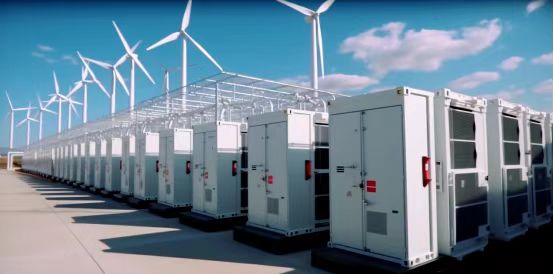
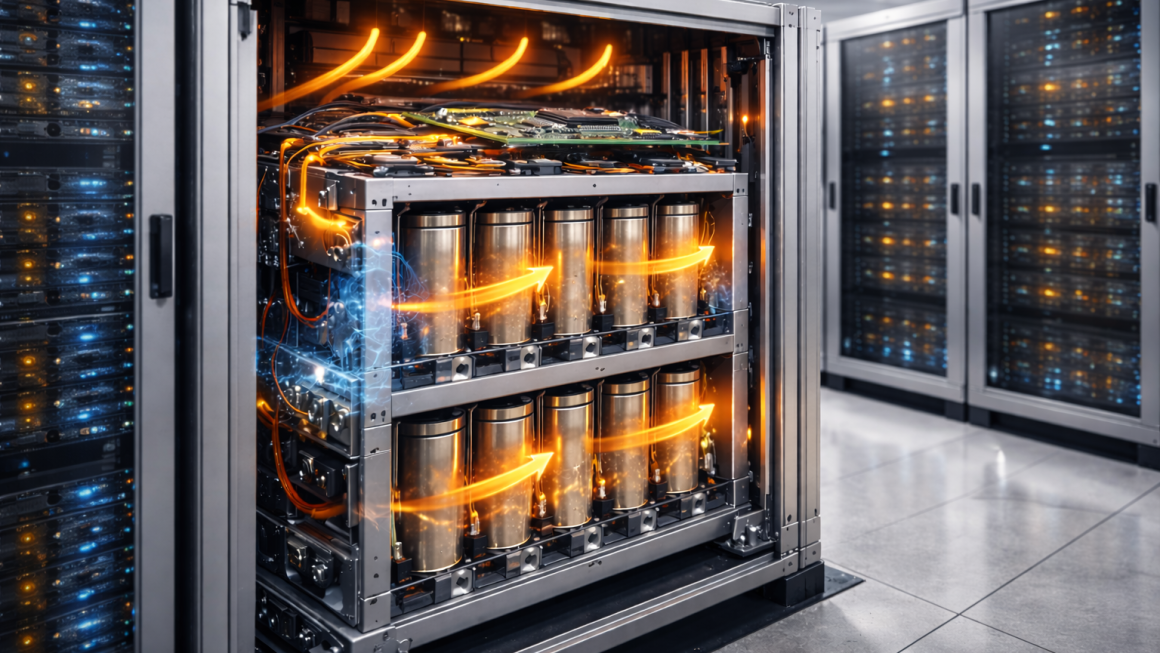
Data centers are the backbone of modern digital infrastructure, powering everything from cloud computing to streaming services. With uptime demands approaching 99.999%, reliable and efficient energy storage solutions are critical to ensure continuous operation during power fluctuations, outages, or peak loads.
Battery systems in data centers face unique challenges: high power density, rapid load changes, continuous operation, and strict safety requirements. Poor thermal management or inadequate safety measures can lead to efficiency losses, unexpected downtime, or even catastrophic failure.
This article explores how advanced battery solutions address thermal management and safety in data center ESS, highlighting material innovations, module-level design, and system integration strategies.
1. Why Thermal Management Is Critical in Data Centers
Data center batteries often operate under high current loads with limited airflow. Thermal challenges include:
- Heat buildup from frequent charging/discharging
- Hotspots within battery modules
- High ambient temperature conditions
- Limited space for active cooling
Excessive heat can accelerate cell degradation, reduce efficiency, and compromise safety. Effective thermal management ensures consistent performance and prolongs battery life.
2. Materials and Thermal Performance
Advanced materials play a critical role in controlling temperature within battery modules:
Graphene-enhanced coatings and composites
- Spread heat laterally across modules
- Reduce localized hotspots
- Improve overall thermal conductivity
Thermally conductive fillers
- Enhance heat transfer in adhesives, busbars, and structural components
- Support passive cooling strategies
By optimizing materials at the module level, thermal stresses are reduced, and cooling systems can operate more efficiently.
3. Module-Level Thermal Design
Battery modules in data centers are engineered to balance power density and heat dissipation:
- Compact design with airflow channels for forced-air cooling
- Thermal interface materials (TIMs) between cells and heat sinks
- Heat-spreading plates or graphene composites for uniform temperature distribution
Proper thermal design ensures that cells operate within safe temperature ranges, improving efficiency and reliability even under high load.
4. Safety Measures for High-Density ESS
Data center battery solutions require robust safety mechanisms:
- Thermal sensors to monitor hotspots and prevent overheating
- Voltage and current monitoring for early fault detection
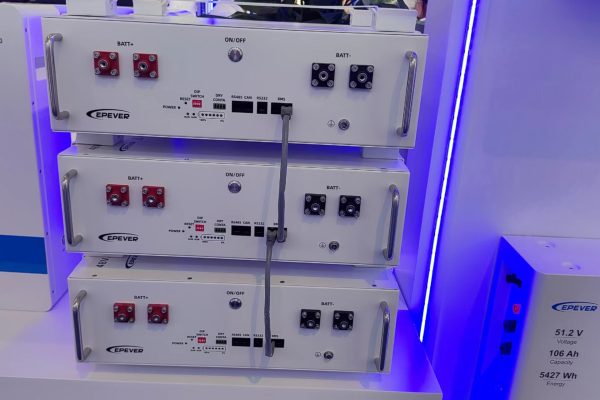
- BMS integration for active balancing, load management, and emergency shutdown
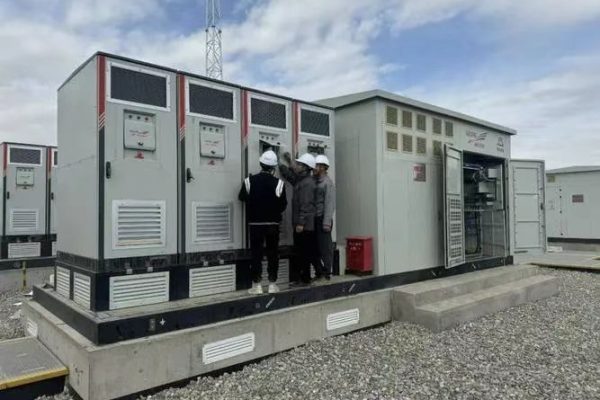
- Fire-resistant materials and protective enclosures
Integrating these measures with thermally optimized modules reduces risk and ensures uninterrupted operation.
5. Integration with Cooling Systems
Thermal management in data centers often combines material-level design with facility-level cooling strategies:
- Air conditioning and HVAC systems maintain ambient temperature
- Module-level thermal conductivity reduces heat load on the facility
- Real-time monitoring allows dynamic cooling adjustments based on battery performance
This synergy between material design and system integration improves overall energy efficiency and reduces operational costs.
6. Operational Insights for Data Centers
Effective battery thermal management and safety practices deliver tangible benefits:
- Higher round-trip efficiency for stored energy
- Longer battery cycle life, reducing replacement costs
- Minimized downtime risk during peak loads or power interruptions
- Compliance with strict data center safety and reliability standards
Data centers can operate at high capacity while maintaining safety and energy efficiency.
7. Emerging Material Innovations
Modern battery modules increasingly leverage advanced materials for thermal and safety performance:
- Graphene-enhanced modules for superior heat spreading
- Nanocarbon composites for improved conductivity and stability
- High-performance thermal interface materials to optimize module cooling
- Mechanically reinforced composites for long-term structural reliability
These innovations allow modules to handle higher current densities while maintaining safe operating temperatures.
8. Designing for Reliability and Scalability
Thermal management and safety are key considerations when scaling data center ESS:
- Modules must maintain uniform temperature across racks and stacks
- System design should allow for easy monitoring and maintenance
- Redundant safety mechanisms reduce risk of failure in high-density deployments
Advanced material selection, combined with thoughtful module design, ensures scalable, reliable, and safe energy storage solutions.
Data center battery solutions face unique demands for high power density, continuous operation, and safety. By integrating advanced materials like graphene, thermally optimized module design, and robust monitoring and BMS systems, operators can maximize efficiency, extend battery life, and ensure safety.
Thermal management is not just about cooling—it’s about material-level innovation, module engineering, and system integration, all working together to provide reliable, high-performance energy storage for critical data center operations.