Designing Energy Storage That Never Fails Where Connectivity Matters Most
Communication towers are among the most reliability-critical energy users in modern infrastructure. Even short power interruptions can disrupt emergency services, financial networks, and public safety communications.
Energy storage systems deployed at communication towers must meet a higher standard than typical commercial or industrial installations. This article examines how to design storage systems for communication towers with safety and redundancy as the primary objectives.
1. Why Communication Towers Are a Special Case
Unlike most distributed energy systems, communication towers:
- Operate 24/7 with constant loads
- Tolerate virtually zero downtime
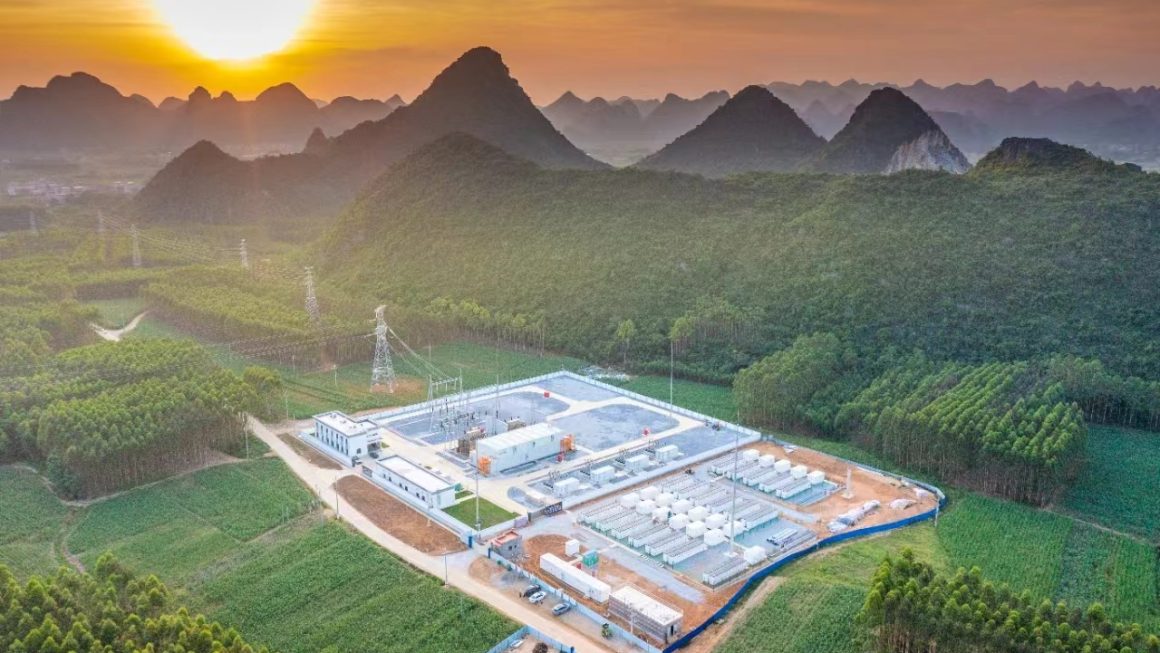
- Are often located in remote or harsh environments
- Are regulated and audited regularly
In tower applications, reliability is not a feature—it is a requirement.
2. Core Design Objective: Continuous Power Under All Conditions
Storage systems must:
- Maintain power during grid outages
- Bridge generator start times
- Support long-duration backup when fuel delivery is delayed
Design must assume worst-case scenarios, not average conditions.
3. Battery Chemistry and Architecture Choices
3.1 Safety-First Battery Chemistry
Preferred options:
- LFP (Lithium Iron Phosphate)
- Advanced lead-acid in some legacy sites
Avoid chemistries with:
- High thermal runaway risk
- Narrow operating temperature windows
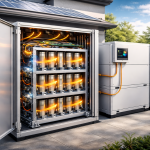
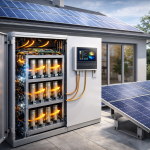
3.2 Modular Battery Design
Modularity enables:
- Fault isolation
- Partial operation during failures
- Easier maintenance and replacement
A single battery fault should never bring down the site.
4. Redundancy at Every Critical Layer
4.1 Power Conversion Redundancy
- N+1 inverter architecture
- Hot-swappable power modules
4.2 Battery Redundancy
- Parallel battery strings
- Independent BMS per string
- Physical separation where possible
4.3 Control and Communication Redundancy
- Local control independent of cloud systems
- Backup communication channels
- Default safe operating modes
5. Thermal Management and Environmental Protection
Communication towers often face:
- Extreme heat or cold
- Dust, humidity, and corrosion
Design considerations:
- Passive cooling where possible
- Conservative thermal derating
- IP-rated enclosures
- Fire-resistant battery housings
6. Protection, Isolation, and Fire Safety
Critical safety measures include:
- DC isolation at module and string level
- Arc fault detection
- Smoke and temperature sensors
- Emergency shutdown capability
Safety systems must be independent of EMS logic.
7. Control Strategy: Predictable and Conservative
Tower storage systems should use:
- Fixed SOC reserve levels
- Limited cycling during normal operation
- Priority given to backup readiness
Avoid aggressive arbitrage or load-following strategies.
8. Testing and Commissioning for Tower Applications
Testing should include:
- Full load outage simulations
- Generator start delay scenarios
- Battery isolation tests
- Communication loss tests
Commissioning must prove failure tolerance, not just normal operation.
9. Monitoring, Alarms, and Maintenance
Effective monitoring focuses on:
- Battery health trends
- Thermal conditions
- Redundancy status
- Early warning alarms
Remote diagnostics reduce site visits and downtime.
10. Common Design Mistakes to Avoid
- Oversized PV without adequate storage control
- Single-point failure in BMS or inverter
- Dependence on cloud-based EMS
- Lack of physical separation between redundant components
These mistakes are unacceptable in tower applications.
Redundancy Is the Only Acceptable Strategy
Communication tower storage systems operate in a world of zero tolerance for failure.
Successful designs:
- Prioritize safety over efficiency
- Build redundancy into every layer
- Assume harsh conditions and delayed intervention
For EPCs and system integrators, tower projects are not about innovation—they are about discipline.