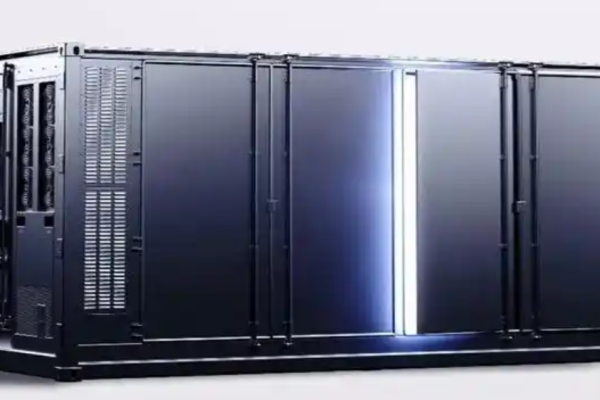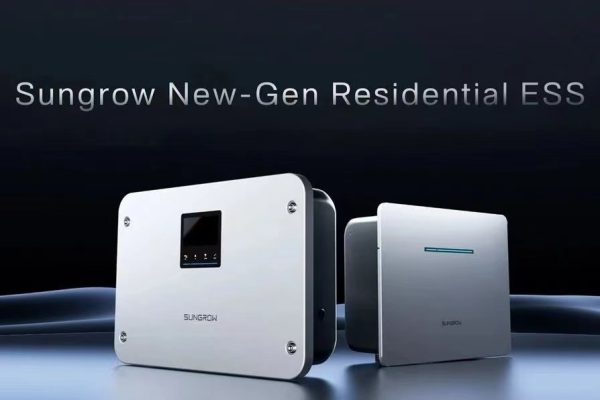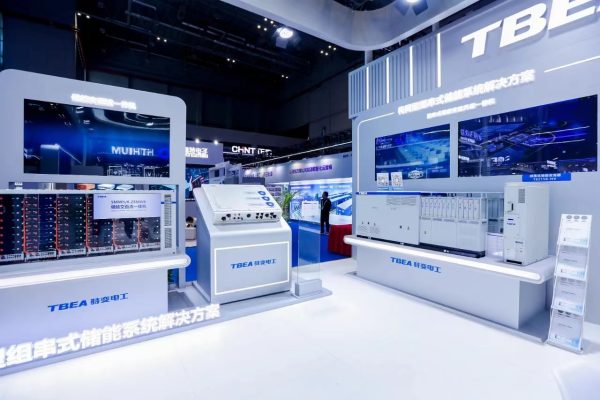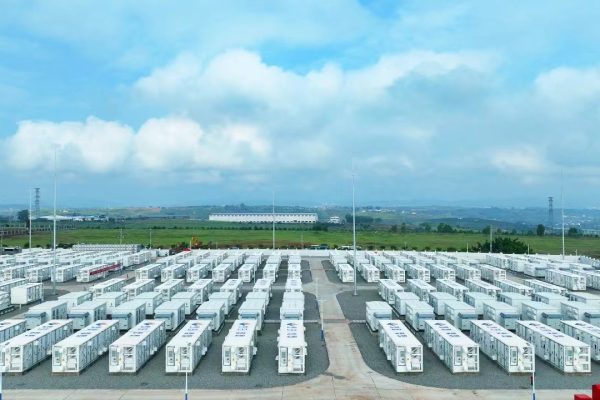


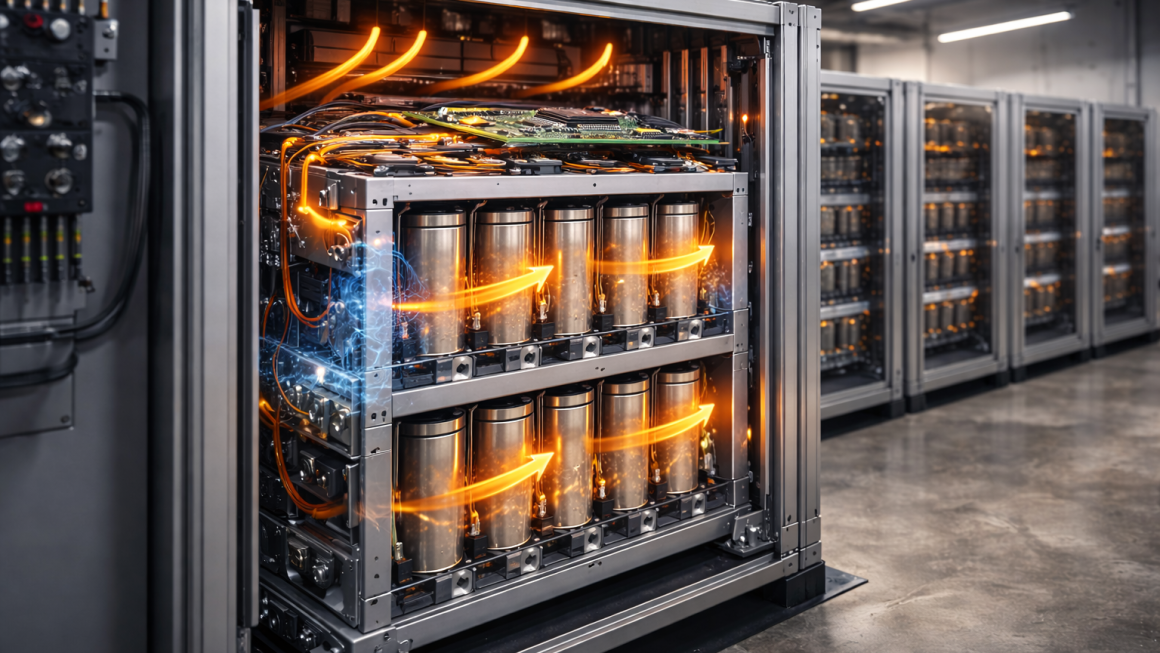
Commercial energy storage systems (ESS) face a unique set of challenges. Unlike residential setups, which usually manage moderate loads for a single building, commercial ESS must handle high power demands, variable load profiles, and extended operational hours. Efficiency, thermal management, and long-term reliability become paramount—any loss in energy or downtime directly impacts operating costs and ROI.
One emerging solution is the use of graphene-enhanced modules. Graphene—a two-dimensional nanocarbon material—is now increasingly applied in batteries, busbars, thermal interface layers, and coatings to improve both electrical conductivity and thermal performance. These improvements allow commercial ESS to operate more efficiently, safely, and reliably.
This article explores how graphene-enhanced modules optimize commercial ESS performance, reduce energy loss, and extend system lifetime.
1. Why Energy Efficiency Matters in Commercial ESS
Commercial energy systems often operate under high stress:
- Frequent charge/discharge cycles to balance energy loads
- Integration with solar PV, wind, or grid-demand response
- Peak shaving and demand charge management
- Continuous operation during business hours
Even small inefficiencies—such as resistive losses in busbars or heat accumulation in modules—can significantly impact operational costs. Improving module-level efficiency translates directly into higher usable energy, lower operating costs, and extended battery life.
2. Graphene’s Role in Electrical Conductivity
High-current operation in commercial ESS can generate heat and cause voltage drops if electrical pathways are not optimized. Graphene contributes in several ways:
- Busbars and connectors: Graphene coatings reduce resistive losses and maintain stable current flow.
- Electrode composites: Small amounts of graphene improve internal conductivity, allowing high C-rate operation without excessive heating.
- Signal integrity: Graphene-enhanced conductive layers support accurate sensing for battery management systems (BMS), reducing errors and improving control.
By lowering internal resistance, modules maintain higher efficiency and reduce wasted energy as heat.
3. Thermal Management with Graphene
Efficient heat dissipation is critical in commercial ESS, where modules often operate continuously under high load. Graphene-enhanced thermal components provide:
- Superior lateral heat spreading: Graphene sheets or coatings distribute heat evenly across modules.
- Hotspot reduction: More uniform temperature profiles prevent localized overheating, which can reduce battery life.
- Passive cooling enhancement: Improved thermal conductivity reduces reliance on fans or liquid cooling, lowering maintenance and operational complexity.
Together, these benefits enable sustained high-power operation with minimal thermal stress.
4. Module-Level Design and Integration
Graphene’s benefits are maximized when integrated thoughtfully at the module level. Examples include:
- Composite busbars with graphene coatings: Lower resistance and better thermal distribution.
- Graphene-enhanced adhesives and coatings: Improve mechanical stability and thermal pathways simultaneously.
- Thermal interface layers with graphene fillers: Maintain consistent contact between cells and heat sinks, reducing temperature gradients.
Effective integration ensures that both electrical and thermal pathways are optimized, allowing the ESS to operate closer to its theoretical efficiency.
5. Supporting Smart BMS Operation
Commercial ESS rely on BMS for real-time monitoring, balancing, and safety. Graphene-enhanced modules support smarter BMS operation:
- Stable electrical pathways reduce signal noise, improving voltage and current measurements.
- Consistent thermal profiles provide accurate temperature feedback for thermal management algorithms.
- Reduced internal losses allow BMS to operate without unnecessary derating, maintaining optimal power output.
The result is smarter, more reliable system operation with higher efficiency.
6. Extending Module and System Lifetime
Beyond immediate efficiency gains, graphene-enhanced modules help extend the lifetime of commercial ESS:
- Reduced thermal hotspots decrease cell degradation.
- Lower resistive losses minimize heat-related stress on connectors and busbars.
- Mechanical reinforcement from graphene composites preserves structural integrity under vibration and thermal cycling.
Longer-lasting modules reduce replacement costs and downtime, improving overall ROI for commercial installations.
7. Practical Implementation Considerations
When deploying graphene-enhanced modules in commercial ESS, consider:
- Targeted application: Focus graphene in high-stress areas (busbars, thermal interfaces, coating layers).
- Dispersion quality: Uniform graphene distribution ensures consistent performance.
- Compatibility: Ensure graphene works with existing electrode materials, adhesives, and structural composites.
- Cost-benefit balance: Optimize for efficiency and reliability without over-engineering.
Proper design ensures performance improvements justify material investment.
8. Real-World Benefits
Commercial operators using graphene-enhanced ESS modules report:
- Reduced energy losses and higher round-trip efficiency
- More stable voltage under peak load
- Improved thermal uniformity and fewer cooling interventions
- Longer service intervals and lower maintenance requirements
These advantages make graphene a strategic choice for high-performance commercial energy storage.
Graphene-enhanced modules represent a powerful tool for optimizing commercial ESS performance. By improving electrical conductivity, thermal management, and module integrity, graphene enables systems to operate efficiently under high power, while maintaining safety and long-term reliability.
For commercial operators, these improvements translate directly into lower operational costs, higher energy efficiency, and longer system lifetime, making graphene an increasingly attractive material for next-generation energy storage solutions.