
How Modular Storage Improves Power Quality, Reduces Costs, and Enables Smart Energy Allocation
Multi-tenant commercial buildings—such as office towers, mixed-use commercial complexes, and small industrial parks—face increasing challenges in energy management. Tenants often have different peak demand patterns, diverse equipment loads, and varying operational schedules. This creates complexity for building operators, especially when electricity tariffs include peak demand charges, time-of-use rates, and strict power quality requirements.
Energy storage systems (ESS), especially modular designs, have become an effective way to stabilize building energy use and create new economic value. This case study explores real-world strategies, configuration options, and measurable outcomes of ESS deployment in multi-tenant commercial buildings.
1. The Challenges of Multi-Tenant Commercial Buildings
Multi-tenant buildings typically struggle with:
1.1 Unpredictable Combined Peak Demand
A single tenant may have stable power usage, but multi-tenant buildings experience sharp and unpredictable peaks due to differences in:
- HVAC schedules
- Server load
- Lighting patterns
- Manufacturing or workshop equipment
- Elevator and common-area usage
These peaks directly increase demand charges.
1.2 Difficulty Allocating Energy Costs Fairly
Without a unified energy system, building operators must:
- Measure and bill tenant consumption separately
- Manage disputes about peak hour allocation
- Absorb part of the common-area energy usage
ESS helps smooth building load profiles and reduces peak demand that must be split among tenants.
1.3 Grid Limitations and Capacity Caps
Older buildings or restricted urban sites often face:
- Transformer capacity limits
- Expensive grid upgrades
- Poor voltage stability in peak hours
Energy storage delays or eliminates the need for costly upgrades.
1.4 Backup Power for Critical Tenants
Some tenants—data rooms, clinics, design studios, or telecom providers—need higher reliability. Installing separate UPS systems for each is costly. A centralized modular ESS simplifies the problem.
2. The Modular Energy Storage Architecture Used
The case study building implemented a modular ESS approach with the following features:
2.1 System Size and Components
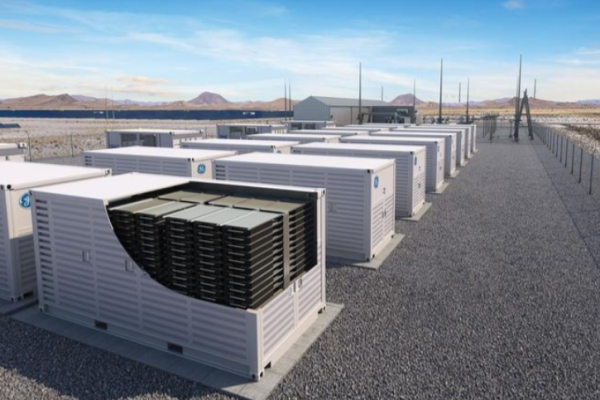
- Total capacity: 240 kWh (modular, expandable to 480 kWh)
- Battery type: LFP (LiFePO₄) rack modules
- Inverter: 100 kW PCS with EMS integration
- Monitoring: Cloud-based tenant-level and building-level dashboards
2.2 Integration Points
- Building’s main distribution panel
- Sub-circuits for tenants with high variability (IT offices, workshops)
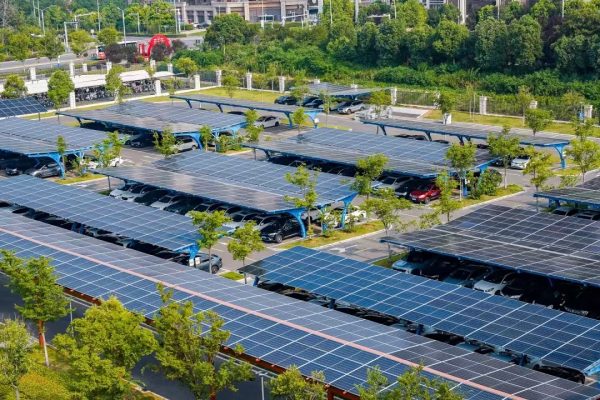
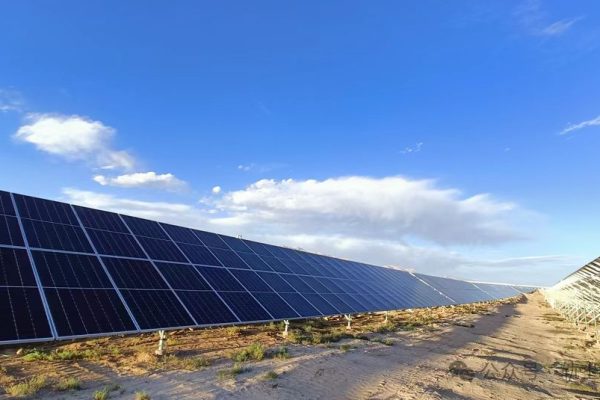
- Solar PV (50 kWp rooftop) feeding into the ESS
2.3 Energy Management Features
The EMS supported:
- Peak shaving
- PV energy self-consumption optimization
- Load monitoring by tenant
- Demand response participation
- Backup support for sensitive tenants
3. Use Cases Implemented in This Building
3.1 Peak Demand Management
Daily multi-tenant operations caused peak spikes between 10:00–12:00 and 15:00–17:00.
ESS discharged ~60–80 kW during these windows, cutting the building’s peak by 18–25%.
Result:
- Direct reduction in demand charges
- More stable power flow from the grid
- Avoided transformer upgrade (estimated cost: $45,000–$65,000)
3.2 Tenant-Level Cost Optimization
ESS supported fair allocation by:
- Logging tenant energy usage
- Identifying which tenants created peaks
- Eliminating disputes related to shared system costs
Optional billing rules were added:
- Time-of-use cost allocation per tenant
- Peak-hour proportional billing
- Common-area load smoothing using ESS
3.3 PV Energy Utilization Improvement
Before ESS:
- PV system exported excess power during weekends and midday
After ESS:
- PV charging extended usable solar energy
- Self-consumption rose from 32% → 71%
- Tenants received lower “green energy” pricing
3.4 Backup Support for Critical Tenants
Three tenants required high reliability (IT, healthcare, small R&D lab).
ESS provided:
- 20–40 minutes of backup during grid failure
- Smooth switchover through the inverter
- Support for UPS units without generator startup delay
3.5 Demand Response and Tariff Arbitrage
In regions with dynamic pricing, ESS participated in demand response events.
Benefits included:
- Incentive payments from utility
- Lowered electricity procurement cost
4. Measured Results After 12 Months
Performance Outcomes
| Metric | Before ESS | After ESS | Improvement |
|---|---|---|---|
| Peak demand | 185 kW | 140–150 kW | ↓ 20–25% |
| PV self-use rate | 32% | 71% | ↑ 39% |
| Billing disputes | High | Nearly zero | Resolved |
| Backup reliability | Limited | Seamless | Major |
| Grid stress during peak | High | Stable | Improved |
Financial Outcomes
- Annual energy cost savings: ~$18,000
- Avoided grid upgrade: $50,000 (estimate)
- Payback period: 3.5–4.2 years depending on incentives
High-value tenants reported increased satisfaction and renewed long-term leases, adding indirect financial value.
5. Key Lessons Learned
5.1 Modular ESS Works Best for Multi-Tenant Buildings
Adding 40–80 kWh at a time allows flexible expansion based on tenant growth.
5.2 EMS Integration is Critical
Without EMS-level load monitoring, cost allocation becomes impossible.
5.3 Transparent Data = Fewer Disputes
Tenants trust the system when they see their own consumption curves.
5.4 Backup Power Becomes a Selling Point
ESS-enabled reliability attracts higher-value tenants.
5.5 Combining PV + ESS Greatly Improves ROI
PV alone has weak economics for multi-tenant buildings. Storage unlocks the value.
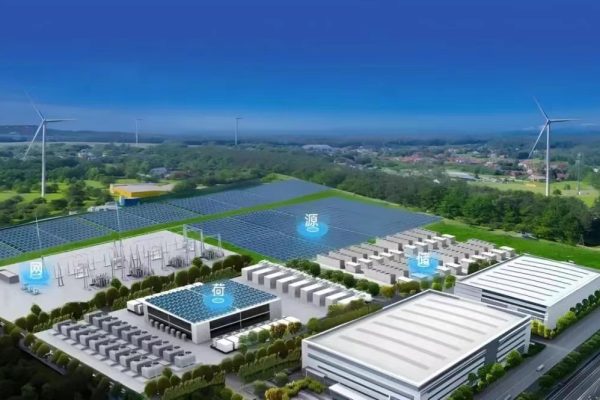
Energy storage delivers both operational and financial advantages for multi-tenant commercial buildings—especially when modular designs and intelligent EMS are used. From peak shaving to tenant billing optimization, ESS transforms the building from a passive energy consumer into a smart, flexible energy hub.
This case study proves that even small-to-medium commercial buildings can benefit significantly from a scalable storage architecture.