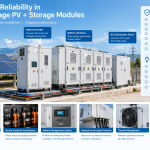
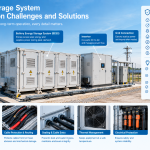
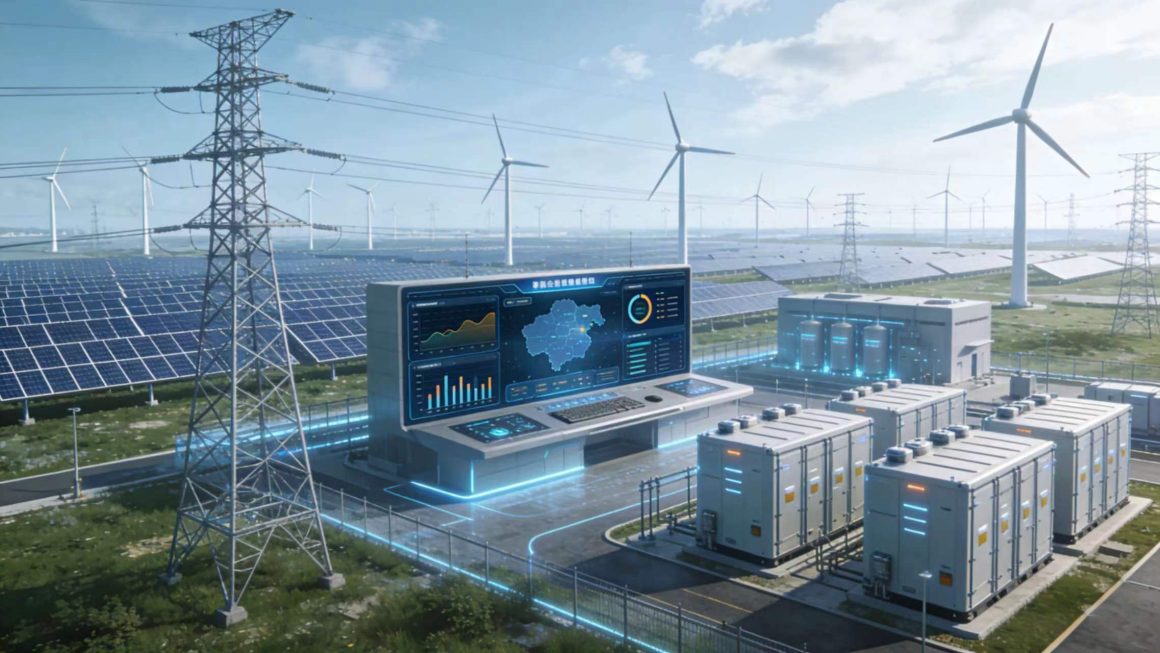
Ensuring Performance, Safety, and Reliability Before System Operation
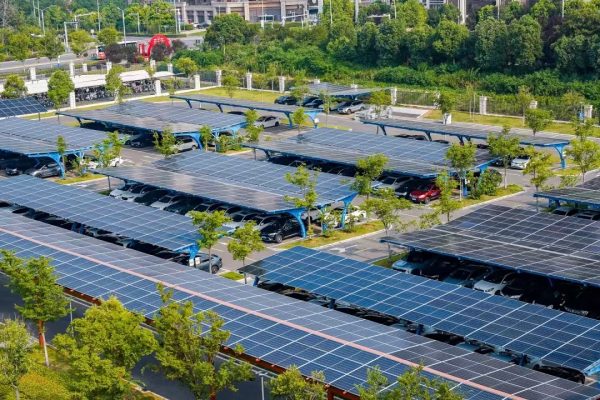
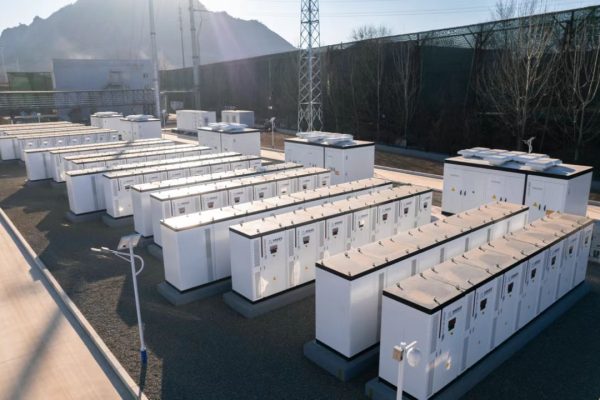
The commissioning and testing phase is critical for hybrid photovoltaic (PV) + energy storage systems. This process ensures that all system components are installed, connected, and integrated correctly to function optimally under expected conditions. Given the complexity of these systems, which combine solar arrays, energy storage (batteries), inverters, and advanced control systems, a structured and comprehensive approach to commissioning is necessary.
In this article, we will discuss the best practices and essential protocols for commissioning and testing hybrid PV + storage systems. These steps are designed to ensure that the system operates as intended, complies with safety regulations, and meets performance specifications.
1. The Importance of a Structured Commissioning Process
Commissioning is the final validation step before a system goes live, and its purpose is twofold:
- Ensuring system reliability: Verifying that all components are integrated and functioning properly.
- Validating performance: Confirming that the system meets the design specifications for energy production, storage, and efficiency.
A structured commissioning process helps to identify and resolve issues before the system is put into operation, preventing costly mistakes and safety hazards.
2. Key Steps in the Commissioning Process
The commissioning process for hybrid PV + storage systems involves several stages. Below are the essential steps, from pre-commissioning checks to post-commissioning testing.
2.1 Pre-Commissioning Checks
Before the system is energized, thorough checks must be conducted to ensure that all equipment and components are ready for operation.
2.1.1 Equipment Inspection and Verification
- Panels and Inverters: Verify that all solar panels and inverters are physically intact and free from damage. Check the installation for proper alignment and orientation.
- Battery System: Inspect battery modules for signs of damage, leaks, or improper connections. Ensure that temperature sensors and Battery Management Systems (BMS) are installed correctly.
- Wiring and Connections: Check all electrical connections, including AC and DC circuits, for correctness, tightness, and proper insulation. Verify that cables are sized appropriately and are free of damage.
2.1.2 System Design Confirmation
- Verify that the system’s design specifications match the actual installation. This includes confirming:
- The rated capacity of the battery and solar systems
- Panel orientation and tilt for maximum efficiency
- Proper grounding and system isolation points
2.1.3 Compliance with Local Codes
Ensure that the installation complies with all relevant safety codes, such as:
- National Electrical Code (NEC)
- Fire safety regulations
- Battery storage regulations (e.g., IEC 62619 for storage systems, UL 9540 for energy storage equipment)
2.2 Electrical System Testing
Once all equipment has been inspected, the electrical system must be tested to ensure correct functioning and safe operation.
2.2.1 Continuity and Insulation Resistance Testing
- Continuity test: Verify that all grounding systems have proper continuity and ensure that the system is correctly grounded.
- Insulation resistance test: Test the DC and AC circuits to check for potential insulation failures that could lead to electric shock or short-circuiting.
2.2.2 Inverter and Charge Controller Testing
- Inverter efficiency: Test the inverter to ensure it is converting DC to AC power at the correct efficiency.
- Inverter safety protocols: Verify that the inverter automatically disconnects from the grid in case of overvoltage, undervoltage, or short-circuiting conditions.
- Battery charge/discharge rates: Test the charge and discharge rates of the battery system and verify that they match system design specifications.
2.2.3 Battery System Testing
- State of Health (SoH): Measure the voltage, current, and temperature of each battery cell to verify the State of Charge (SoC) and State of Health (SoH).
- Load testing: Apply test loads to the battery system to simulate normal operating conditions and verify that the system can maintain stable performance under load.
2.2.4 Grid Connection Testing
- Grid synchronization: Ensure that the system synchronizes correctly with the local grid and that voltage and frequency match the grid conditions.
- Reverse power flow testing: Test the system’s ability to feed excess power back to the grid, if applicable, and verify grid compliance (e.g., IEEE 1547 for grid connection).
2.3 Functional Testing of the Energy Management System (EMS)
The Energy Management System (EMS) is the brain of a hybrid PV + storage system, controlling the interactions between the solar array, battery system, and grid. Testing the EMS is essential to verify that it optimizes system performance, minimizes energy costs, and manages grid interaction.
2.3.1 Control Strategy Validation
- Test the EMS logic: Simulate various operational scenarios, such as battery charging, discharging, and load shifting, to confirm the EMS behaves according to the design specifications.
- Response to grid disturbances: Test the EMS’s response to grid anomalies (e.g., frequency dips, voltage fluctuations). The system should automatically adjust or disconnect as required.
2.3.2 Communication and Fault Detection
- Communication test: Ensure that the EMS communicates effectively with all components, including the battery pack, solar inverter, and monitoring systems.
- Fault detection: Verify that the EMS can detect faults, such as overheating, overcurrent, or battery degradation, and trigger appropriate responses, such as shutdown or isolation.
2.4 Safety and Emergency Response Testing
Ensuring the system is safe to operate under emergency conditions is a crucial part of the commissioning process.
2.4.1 Emergency Shutdown Procedures
- Test the emergency shutdown procedures to confirm that they effectively disconnect the system from the grid and isolate faulted components. This includes verifying that emergency switches and disconnects are easily accessible.
2.4.2 Fire Suppression and Safety Systems
- Test fire suppression systems: If a fire suppression system is integrated (e.g., FM-200, CO2), perform a functional test to ensure it activates correctly in case of a fire.
- Verify gas detection systems: If applicable, test the gas detectors for thermal runaway gases (e.g., hydrogen fluoride from lithium-ion batteries).
3. Post-Commissioning Monitoring
After all testing and validation have been completed, the system enters the monitoring phase to ensure long-term performance.
- Real-time monitoring: Implement performance monitoring systems to track key metrics, such as energy production, battery health, and system efficiency.
- Data logging: Ensure that the system continuously logs data, such as SOC, temperature, voltage, and current, for future analysis and maintenance planning.
- Performance validation: Over the first few weeks of operation, compare actual performance against the system’s design specifications to ensure the system is performing as expected.
4. A Thorough Approach to Commissioning
Commissioning and testing are crucial to the successful deployment of hybrid PV + storage systems. By following a comprehensive and systematic approach, EPCs and operators can ensure that the system is fully functional, compliant with safety regulations, and optimized for performance.
Key takeaways:
- Commissioning is not just about system startup; it’s about validating design assumptions and ensuring long-term reliability.
- Safety and compliance checks must be a priority throughout the commissioning process to prevent risks.
- Real-time monitoring during the first few weeks of operation provides valuable insights into system performance and potential issues.
A well-executed commissioning process minimizes risk and maximizes the lifespan and efficiency of hybrid PV + storage systems, ensuring a successful transition from construction to reliable operation.