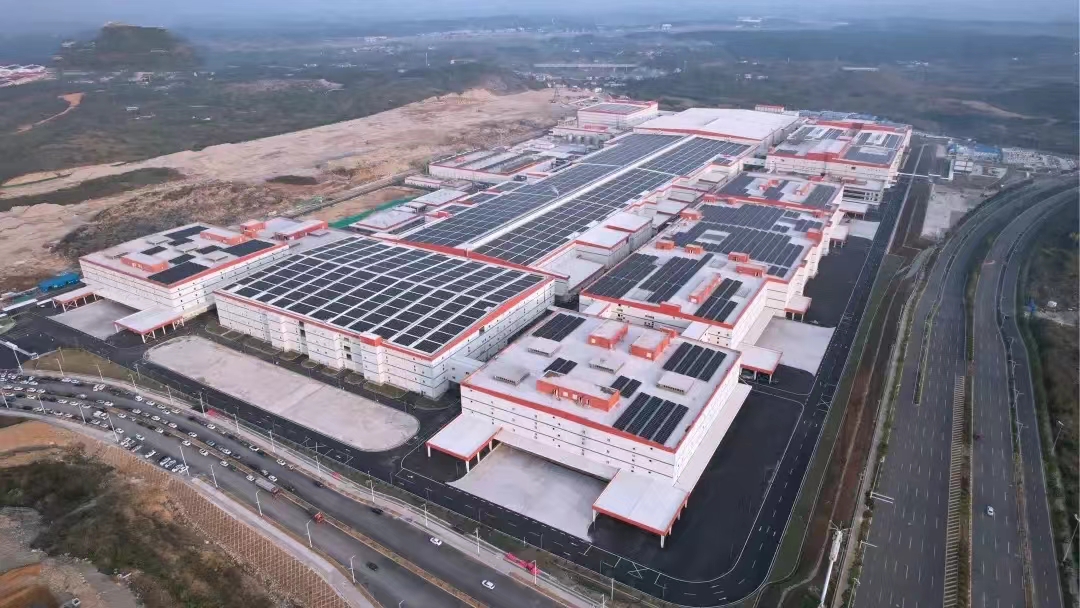
A System-Level Engineering Perspective
As photovoltaic (PV) generation and energy storage systems are increasingly deployed as integrated solutions, project success is no longer defined by nameplate capacity or peak efficiency alone. Instead, safety, controllability, and predictable long-term performance have become the primary evaluation criteria.
In practice, many PV + storage projects underperform or experience operational issues not because of defective components, but due to insufficient system-level evaluation during design, commissioning, and early operation.
This article outlines a practical framework for evaluating safety and performance in PV + storage systems, focusing on real-world operating conditions rather than laboratory assumptions.
1. Safety and Performance Are Structurally Linked
In integrated PV + storage systems, safety and performance cannot be treated as independent objectives.
- Aggressive performance optimization often reduces operational safety margins
- Conservative safety design directly constrains usable power and energy
- Control logic determines whether theoretical performance is accessible in practice
For example:
- A battery system may be rated for high C-rates, but thermal or protection constraints may limit sustained output
- PV inverters may support rapid ramping, but grid or EMS rules may restrict real-time dispatch
Performance that cannot be delivered safely and repeatedly is not usable performance.
2. Key Safety Risk Areas in PV + Storage Systems
2.1 DC-Side Risks (PV Subsystem)
- High DC voltages and arc fault potential
- Incorrect string configuration or protection coordination
- Degradation or mismatch leading to abnormal current paths
Evaluation focus:
- String-level protection design
- DC isolation and grounding philosophy
- Arc fault detection coverage and response logic
2.2 Battery System Risks
Battery-related risks dominate system safety concerns:
- Thermal runaway propagation
- Cell imbalance and localized overheating
- Overcurrent during fault or abnormal dispatch
- Environmental stress (temperature, humidity, dust)
Evaluation focus:
- Cell-to-pack thermal pathways
- BMS protection thresholds and fault logic
- Cooling system capacity under worst-case scenarios
- Fire containment and gas release considerations
2.3 Power Electronics and Protection Coordination
PV + storage systems rely heavily on converters, inverters, and protection layers:
- PCS failure modes under bidirectional operation
- Protection selectivity between PV, storage, and grid interfaces
- Ride-through behavior during voltage or frequency excursions
Evaluation focus:
- Protection coordination studies
- Fault isolation speed and selectivity
- Behavior under partial failures rather than full shutdown
2.4 Environmental and Installation Risks
Many issues arise not from design, but from site conditions:
- High ambient temperatures
- Dust, salt mist, or industrial pollutants
- Mechanical stress and vibration
- Limited maintenance access
Evaluation focus:
- Environmental derating assumptions
- Enclosure ingress protection and ventilation
- Cable routing, strain relief, and thermal exposure
3. Performance Metrics That Matter in Real Operation
Nominal specifications rarely reflect operational reality. Practical evaluation should prioritize:
3.1 Usable Energy vs. Rated Energy
- Depth-of-discharge limits imposed by safety logic
- Energy unavailable due to temperature or protection constraints
3.2 Power Availability Over Time
- Sustained vs. peak power
- Thermal derating behavior
- Performance under repeated cycling
3.3 Efficiency in System Context
- Round-trip efficiency including auxiliary loads
- Losses from partial loading and standby operation
3.4 Degradation Behavior
- Capacity fade trends
- Internal resistance growth
- Impact on dispatch strategy over time
4. Evaluation Across the Project Lifecycle
4.1 Design-Stage Evaluation
- System architecture review
- Failure mode and effects analysis (FMEA)
- Safety margin definition under abnormal scenarios
4.2 Factory Acceptance Testing (FAT)
- Verification of protection logic
- Thermal performance under simulated load
- Communication and control integrity testing
4.3 Site Acceptance Testing (SAT)
- Integration with PV and grid interfaces
- Emergency shutdown behavior
- Commissioning under realistic load conditions
4.4 Early Operation Validation
- Monitoring first-cycle anomalies
- Confirming thermal and electrical stability
- Adjusting control parameters based on observed data
5. Protection, Monitoring, and Control as Evaluation Tools
Modern PV + storage systems rely on layered intelligence:
- BMS: cell-level protection and data
- PCS/Inverter: power flow control and grid interaction
- EMS: system optimization and dispatch rules
Evaluation should focus on:
- Alarm hierarchy and escalation logic
- Fault isolation vs. full system shutdown
- Data granularity and traceability
- Cybersecurity and communication robustness
A system that cannot clearly explain why it is limiting output is difficult to operate safely.
6. Standards and Reference Frameworks (High-Level)
While local requirements vary, evaluation often references:
- IEC and UL safety standards for batteries and inverters
- Grid codes governing protection and ride-through
- Fire and electrical codes affecting installation and spacing
Importantly, standards define minimum compliance, not operational excellence.
Engineering judgment is still required.
7. Common Evaluation Gaps in PV + Storage Projects
Across many projects, recurring gaps include:
- Treating PV and storage as loosely coupled systems
- Over-reliance on component datasheets
- Lack of testing under partial load or abnormal scenarios
- Insufficient attention to thermal interactions
- Incomplete documentation of control logic assumptions
These gaps often remain hidden until operational stress exposes them.
8. Evaluation Is a Continuous Process
PV + storage system safety and performance evaluation should not end at commissioning.
- Operating conditions change
- Degradation alters system behavior
- Dispatch strategies evolve with market or load profiles
A disciplined, system-level evaluation approach allows operators and investors to understand operational boundaries, manage risk, and make informed decisions over the system’s lifetime.
Reliable performance is not achieved by pushing limits, but by understanding and respecting them.