
Designing Hybrid Power Systems for 24/7 Network Reliability
Telecom towers are among the most mission-critical energy users in the world. Unlike commercial or industrial sites, they cannot tolerate downtime, delayed recovery, or unstable power quality.
As diesel-only backup systems become costly and environmentally constrained, hybrid microgrids combining PV, battery storage, and generators are rapidly becoming the preferred solution.
This article explains how to design and integrate PV + storage + generator systems for telecom towers, focusing on reliability, control logic, and long-term operability—not theoretical optimization.
1. Why Hybrid Microgrids Are Replacing Diesel-Only Designs
Traditional diesel backup systems suffer from:
- Rising fuel costs
- Maintenance intensity
- Delayed refueling risks
- Poor efficiency at partial load
Hybrid microgrids address these issues by:
- Reducing generator runtime
- Improving fuel efficiency
- Increasing outage endurance
- Enhancing sustainability compliance
In telecom applications, hybridization is about resilience—not decarbonization slogans.
2. Load Characteristics of Telecom Towers
Telecom tower loads are:
- Continuous and predictable
- DC-heavy (often 48V systems)
- Sensitive to voltage and frequency deviations
- Often remote and unmanned
Design must assume:
- 24/7 base load
- No operator intervention during outages
- Long repair and refueling intervals
3. Role Definition: PV, Storage, and Generator
A successful telecom microgrid clearly defines the role of each asset.
3.1 PV: Energy Reduction, Not Power Assurance
PV contributes by:
- Offsetting daytime energy consumption
- Reducing battery cycling
- Lowering generator runtime
PV should never be relied on for critical power availability.
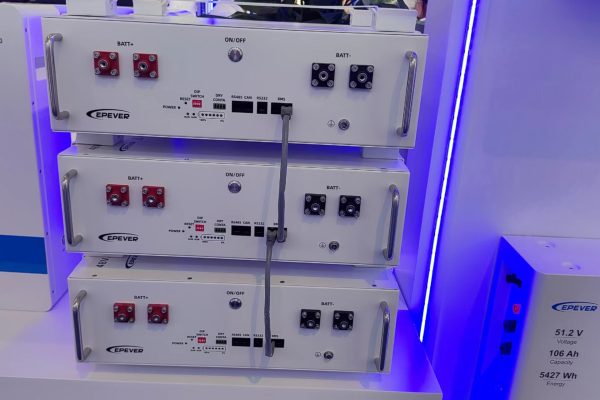
3.2 Battery Storage: The True Backbone
Storage provides:
- Instantaneous backup during outages
- Generator start bridging
- Power quality stabilization
- Ride-through for short disturbances
Battery systems must be sized for autonomy, not arbitrage.
3.3 Generator: Last Line of Defense
Generators remain essential for:
- Extended outages
- Low-solar conditions
- Emergency recovery
Design goal: run generators less, but trust them more.
4. Control Strategy: Priority-Based, Not Optimized
Telecom microgrids should use rule-based control, not market-style optimization.
Typical priority order:
- Maintain critical load
- Preserve minimum battery SOC
- Use PV when available
- Start generator only when necessary
Aggressive optimization increases failure risk without meaningful benefit.
5. Generator Integration Best Practices
Key design principles:
- Avoid frequent start/stop cycles
- Use battery buffering to smooth load
- Operate generators near optimal load points
- Schedule periodic test runs automatically
Storage should protect the generator—not stress it.
6. Battery Sizing for Tower Applications
Battery sizing must consider:
- Required autonomy hours
- Worst-case outage duration
- Generator start reliability
- Degradation margins
Conservative sizing improves:
- Safety
- Lifetime
- Investor and operator confidence
7. Redundancy and Single-Point Failure Elimination
Critical redundancy includes:
- Parallel battery strings
- Independent BMS per string
- Redundant power electronics
- Local control independent of cloud EMS
If a single failure can shut down the tower, the design is incomplete.
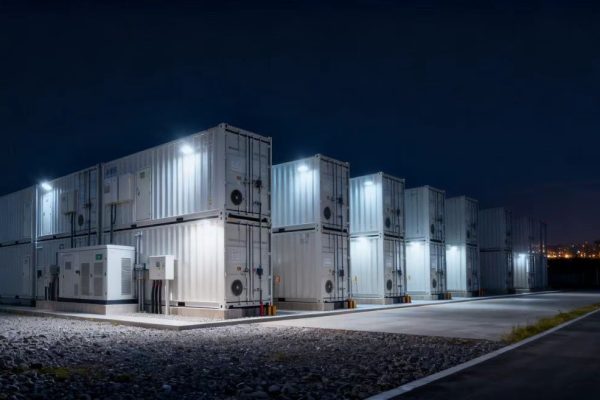
8. Environmental and Site Constraints
Telecom sites often face:
- Extreme temperatures
- Limited space
- Weight restrictions
- Security concerns
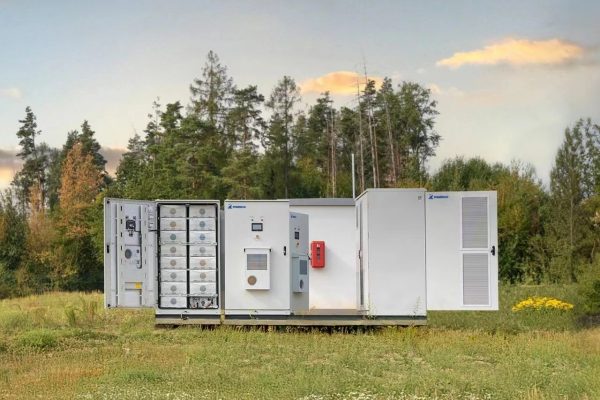
Design responses:
- Passive or hybrid cooling
- Compact modular enclosures
- Tamper-resistant housings
- Minimal maintenance requirements
9. Commissioning and Validation
Commissioning should validate:
- Full outage operation
- Generator delayed start
- Battery isolation scenarios
- Control logic under stress
Passing factory tests is not enough—site-specific behavior matters.
10. Common Integration Mistakes
- Oversized PV without storage headroom
- Generator directly following load
- Cloud-dependent control logic
- No clear SOC reserve policy
These mistakes undermine reliability and increase OPEX.
Hybrid Does Not Mean Complex
The best telecom tower microgrids are:
- Simple
- Conservative
- Predictable
- Redundancy-driven
PV + storage + generator integration succeeds when each component knows its role and control logic favors stability over ambition.
For EPCs and system integrators, telecom microgrids are not innovation playgrounds—they are reliability contracts.