Practical Design Strategies for Higher Efficiency, Lower Cost, and Better System Stability
As PV and battery systems become standard in industrial and commercial energy projects, many designers still overlook one of the most cost-effective assets available: thermal energy storage.
When properly integrated, thermal storage—whether hot water, chilled water, or phase-change systems—can significantly reduce battery stress, increase PV self-consumption, and improve overall system stability, often at a lower cost and longer lifespan than electrical storage alone.
This article focuses on how to practically integrate thermal storage with PV + battery systems, emphasizing control strategies, design trade-offs, and real-world performance.
1. Why PV + Battery Alone Is Often Not Enough
PV and battery systems excel at handling electrical variability, but they struggle when:
- Large cooling or heating loads dominate energy demand
- Load peaks are short but intense
- Batteries are forced to cycle frequently
- PV generation does not align with thermal demand timing
In many industrial and commercial sites:
- Cooling loads peak in the afternoon
- Heating loads spike during start-up periods
- Batteries are used for tasks better suited to thermal storage
Using batteries to absorb thermal variability is usually expensive and unnecessary.
2. Thermal Storage as a System-Level Buffer
Thermal storage acts as a bridge between electrical generation and thermal demand.
Key Roles of Thermal Storage
- Convert excess PV electricity into stored heat or cooling
- Absorb demand spikes without battery discharge
- Decouple generation timing from thermal usage
- Reduce generator and chiller cycling
In practical terms, thermal storage protects both batteries and power electronics from aggressive operating patterns.
3. Choosing the Right Thermal Storage Type
Hot Water Storage
Best suited for:
- Industrial process heat
- Domestic hot water
- Space heating systems
Advantages:
- Simple technology
- Long lifespan (15–25 years)
- Low cost per kWh-equivalent
Chilled Water Storage
Best suited for:
- Industrial cooling
- Cold storage
- Data centers
Advantages:
- Strong synergy with PV generation
- Effective peak shaving
- High operational reliability
Phase Change Materials (PCM)
Best suited for:
- Space-constrained sites
- Stable, narrow temperature ranges
Trade-offs:
- Higher cost
- More complex integration
- Less forgiving in harsh environments
4. System Architecture: Where Thermal Storage Fits
A practical PV + battery + thermal system typically includes:
- PV array
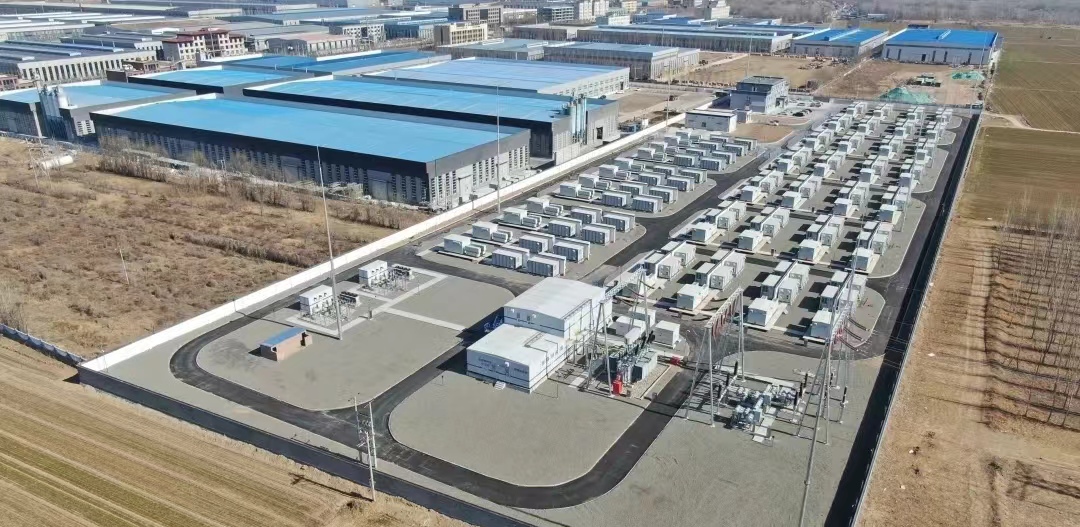
- Battery energy storage system (BESS)
- Inverters / PCS
- Chillers, heat pumps, or boilers
- Thermal storage tanks
- Energy management system (EMS)
Key Design Rule
Thermal storage should be electrically controllable, not passive.
This means:
- Storage charge/discharge must respond to PV availability and battery state
- EMS must prioritize thermal storage when appropriate
5. Control Logic That Delivers Real Benefits
Priority-Based Energy Flow (Recommended)
A robust and widely adopted strategy:
- Serve real-time electrical and thermal loads
- Charge batteries within safe SOC limits
- Direct excess PV to thermal storage
- Discharge thermal storage to cover peaks
- Use generators or grid power as last resort
This approach is easy to commission, explain, and maintain.
PV-Driven Thermal Charging
When PV production exceeds electrical demand:
- Increase chiller or heat pump output
- Store cooling or heat
- Avoid curtailment
- Reduce future battery discharge
This strategy effectively turns PV into dispatchable thermal energy.
6. Reducing Battery Size and Extending Battery Life
Thermal storage often costs 3–5 times less per kWh-equivalent than batteries and is far more tolerant of cycling.
Practical Impacts
- Smaller battery capacity required
- Lower depth-of-discharge cycles
- Reduced inverter stress
- Longer battery replacement intervals
In many projects, thermal storage allows:
- 20–40% reduction in battery sizing
- Significant CAPEX and OPEX savings
7. Handling Peak Loads Without Overdesign
Short-duration thermal peaks are common in:
- Industrial start-ups
- Cleaning cycles
- High ambient temperature events
Instead of oversizing:
- Batteries
- Chillers
- Generators
Thermal storage can:
- Absorb peak demand
- Smooth load profiles
- Improve system reliability
8. Practical Design Mistakes to Avoid
Common integration errors include:
- Treating thermal storage as standalone equipment
- Ignoring charge/discharge rate limits
- Overcomplicating EMS logic
- Using batteries to cover predictable thermal peaks
- Underestimating operator behavior
A simple, transparent control strategy almost always outperforms a complex one in long-term operation.
9. What EPCs and System Integrators Should Emphasize
For successful PV + battery + thermal projects:
- Start with load analysis, not equipment lists
- Identify thermal loads suitable for shifting or storage
- Design conservative control logic
- Prioritize reliability and maintainability
- Communicate benefits in operational terms, not equations
Conclusion: Thermal Storage Makes PV + Battery Systems Smarter
Integrating thermal storage with PV and battery systems is not an add-on—it is a multiplier.
When done correctly, it:
- Increases PV utilization
- Reduces battery stress
- Lowers system cost
- Improves operational stability
- Extends asset lifespan
For EPCs and system integrators, thermal storage is one of the highest ROI upgrades available in modern energy system design—especially in industrial and commercial environments.