
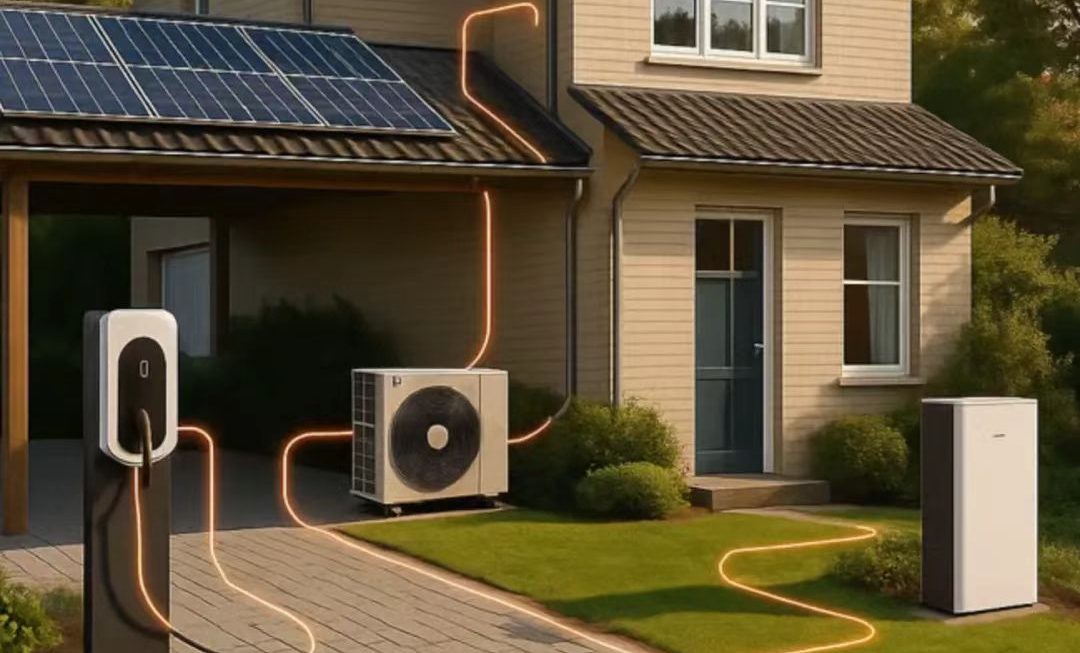
As the demand for home energy storage solutions continues to rise, homeowners are faced with a critical decision: all-in-one energy storage systems (ESS) versus modular ESS solutions. Both options offer advantages in terms of energy independence, cost savings, and sustainability, but the best choice largely depends on the homeowner’s unique needs, preferences, and future plans.
This article compares these two types of energy storage systems and provides a clear guide for homeowners to choose the most suitable option for their residential energy goals.
1. Understanding All-in-One ESS and Modular Systems
Before diving into the pros and cons, let’s first define what each type of system entails.
All-in-One ESS
An all-in-one ESS integrates all components (battery, inverter, and charge controller) into a single unit. These systems are typically compact, easy to install, and designed to meet the needs of typical homes or small commercial applications. The components are pre-configured for seamless integration.
- Examples: Tesla Powerwall, LG Chem RESU, SonnenBatterie
- Typical Capacity: 5 kWh to 15 kWh
- Key Features: Integrated design, plug-and-play installation, typically designed for backup and peak-shaving needs.
Modular ESS
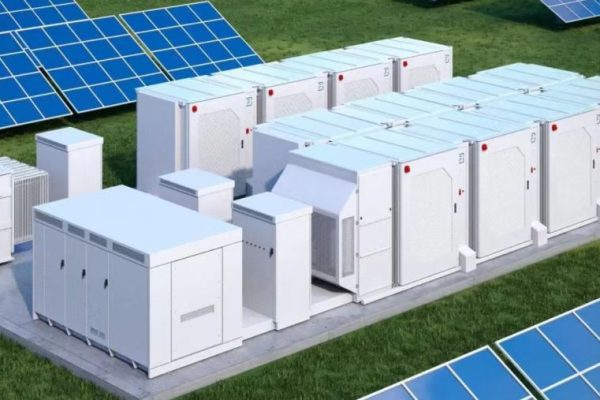
A modular ESS consists of separate units (batteries, inverters, charge controllers), which are connected and scaled according to the specific energy needs of the home. The system can be expanded over time by adding more modules, offering flexibility and adaptability.
- Examples: BYD Battery-Box, Pylontech US2000, Growatt MOD series
- Typical Capacity: Customizable, typically ranging from 5 kWh to 40 kWh depending on the configuration
- Key Features: Flexibility, scalability, future-proof design.
2. Key Differences Between All-in-One and Modular ESS
2.1. Installation Complexity and Space Requirements
All-in-One ESS:
- Simpler installation: Since everything is integrated into one unit, installation tends to be more straightforward. It is designed to be a plug-and-play solution, reducing installation time and complexity.
- Space-efficient: An all-in-one system occupies less space since the components are housed together in a single unit, making it ideal for homes with limited space.
Modular ESS:
- More installation steps: Modular systems require the installation of separate components (battery modules, inverter, and charge controller), which can take longer and may require professional installation.
- Larger footprint: Since the components are separate, modular systems generally require more space, particularly as the system expands over time.
Best for homeowners with limited space or a desire for easier, faster installation: All-in-one ESS is likely the better option.
2.2. Flexibility and Scalability
All-in-One ESS:
- Limited scalability: While all-in-one systems offer a reliable solution, they typically come in fixed capacities. If your energy needs grow (e.g., through adding more appliances or installing more solar panels), the entire system would need to be upgraded.
- Non-customizable: These systems are designed for a set energy profile, which may not be flexible enough for homeowners with fluctuating or increasing energy requirements.
Modular ESS:
- Highly scalable: Modular systems allow homeowners to start with a small setup and expand as needed. If the homeowner installs a 5 kWh system initially, they can add more battery modules or increase inverter capacity later to meet growing energy demands.
- Customizable configuration: Modular ESS offers flexibility in terms of size, configuration, and expansion, providing a more future-proof solution for homeowners who plan to increase their energy consumption or add solar capacity.
Best for homeowners with plans for future expansion or those wanting more control over their system’s growth: Modular ESS is more suitable for such situations.
2.3. Cost and Affordability
All-in-One ESS:
- Higher upfront cost: The simplicity and convenience of an all-in-one system generally come with a higher initial cost compared to a modular system. These systems are pre-configured and easy to install, which contributes to the premium price.
- Fixed cost structure: The system price is generally fixed and does not change with installation size or capacity. However, this can make budgeting simpler for homeowners who prefer an all-in-one package.
Modular ESS:
- Lower initial cost: The modular design typically allows homeowners to start with a smaller system and scale up as needed. While the cost of the modular components may add up, it provides flexibility in terms of expenditure.
- Customizable cost structure: Homeowners can adjust their spending based on immediate needs and add capacity over time. This flexibility can help reduce the financial burden of a large upfront cost.
Best for homeowners with a limited budget or who prefer to invest in smaller initial increments: Modular ESS tends to be more cost-effective in the long run, particularly for those who want to expand the system gradually.
2.4. Maintenance and Longevity
All-in-One ESS:
- Lower maintenance: Since everything is housed in a single unit, the maintenance process is often simpler. There is less risk of compatibility issues between different components, and troubleshooting can be quicker.
- Longer warranty: Many all-in-one systems come with long-term warranties (e.g., 10–15 years), ensuring reliable performance over time.
Modular ESS:
- Maintenance can be more complex: The need to maintain separate components can lead to more troubleshooting if issues arise. For example, if the inverter fails, the entire system may be impacted.
- Modular warranties: Warranties for modular systems typically apply to individual components, which could be useful for specific needs, but the overall system warranty may not always match the length of the all-in-one systems.
Best for homeowners who want a more straightforward, less maintenance-heavy option: All-in-one ESS is typically easier to maintain.
3. Which System Is Right for Your Home?
When to Choose an All-in-One ESS
- Limited space: Ideal for homes with limited room for large equipment.
- Budget-conscious: If you prefer to pay for a complete, turnkey solution upfront.
- Smaller, predictable energy needs: If your energy needs are relatively stable and not expected to increase significantly over time.
- Simple installation and maintenance: Perfect for homeowners who prefer a hassle-free experience with minimal ongoing maintenance.
When to Choose a Modular ESS
- Growing energy needs: Ideal for homeowners who plan to add more appliances or expand the system in the future.
- Budget flexibility: Modular systems allow for gradual investment, enabling homeowners to expand as their needs increase.
- Custom configuration: If you want more control over the system’s configuration and prefer to design it to meet your specific energy profile.
- Space availability: If you have sufficient space and are willing to trade convenience for scalability and long-term flexibility.
4. Conclusion
The choice between an all-in-one ESS and a modular ESS ultimately depends on your unique needs and future plans. If you are looking for simplicity, cost-effectiveness, and a hassle-free installation experience, an all-in-one system is a great choice. However, if you are planning for future growth, need flexibility in system design, and want the ability to scale as your energy needs evolve, then a modular ESS is likely the better long-term investment.
Both solutions provide valuable energy independence, reduce grid dependency, and help homeowners save on electricity costs, but the key is to choose the one that fits your specific requirements.