



Industrial facilities often face high energy costs and peak demand charges due to fluctuating electricity consumption. Modular energy storage systems (ESS) provide a practical solution for load shifting, enabling factories and processing plants to reduce energy costs, improve grid compliance, and increase operational resilience.
This article explores technical strategies, modular system design, and real-world case studies demonstrating successful industrial load shifting using ESS.
1. Why Load Shifting Matters in Industrial Operations
Industrial loads are typically characterized by:
- High peak-to-average demand ratios
- Fluctuating machinery usage
- Continuous and critical processes that cannot tolerate power interruptions
Load shifting helps facilities:
- Reduce peak demand charges
- Lower total electricity bills
- Minimize strain on internal electrical infrastructure
- Extend the lifespan of equipment by smoothing power fluctuations
Modular ESS enables flexible and scalable solutions, suitable for both small and large industrial sites.
2. Key Challenges in Industrial Load Shifting
2.1 Peak Load Identification
Understanding when and where peaks occur is critical. Industrial peaks often result from:
- Batch processing or high-power machines
- HVAC or cooling systems during summer
- Simultaneous operation of multiple high-load processes
2.2 Energy Storage Sizing
Challenges include:
- Determining the optimal ESS capacity
- Maintaining adequate autonomy for critical loads
- Avoiding unnecessary oversizing, which increases capital costs
2.3 Integration with Existing Systems
Many facilities have:
- Legacy electrical infrastructure
- Existing backup generators
- Variable process loads
Integration must minimize disruption and maintain safety compliance.
3. Modular ESS Design for Load Shifting
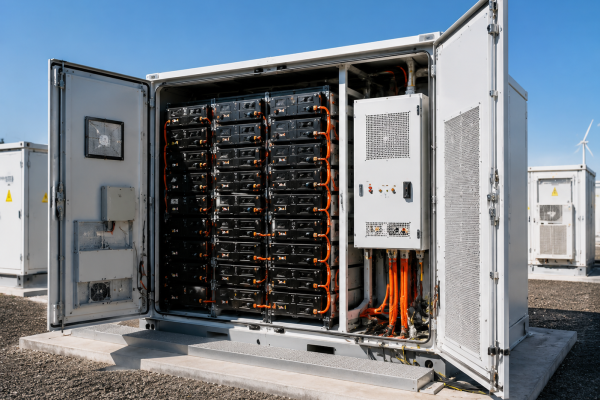
Modular energy storage provides several advantages:
3.1 Scalability
- Start with smaller units (e.g., 50–100 kWh modules)
- Expand incrementally as load profiles or facility size grows
3.2 Hot-Swap Maintenance
- Individual modules can be replaced without downtime
- Reduces operational risk during maintenance or expansion
3.3 Flexible Deployment
- Modules can be distributed near high-load machinery
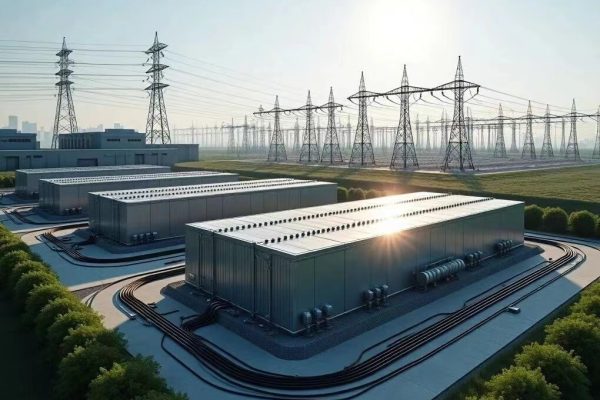
- Centralized storage is also possible for load aggregation
3.4 High Reliability
- Redundant modular configuration ensures continuous operation even if a module fails
4. Load Shifting Strategies
4.1 Time-of-Use (TOU) Shifting
- Charge ESS during off-peak electricity hours
- Discharge during peak demand periods
- Reduces peak demand charges and smooths load profiles
4.2 Peak Shaving
- ESS discharges to reduce instantaneous peak load
- Helps avoid penalties from utility contracts or demand charges
- Supports voltage stability and prevents transformer overloading
4.3 Process Load Coordination
- Synchronize high-power processes with ESS availability
- Shift non-critical processes to off-peak times
- Automate load shedding of optional equipment during peak periods
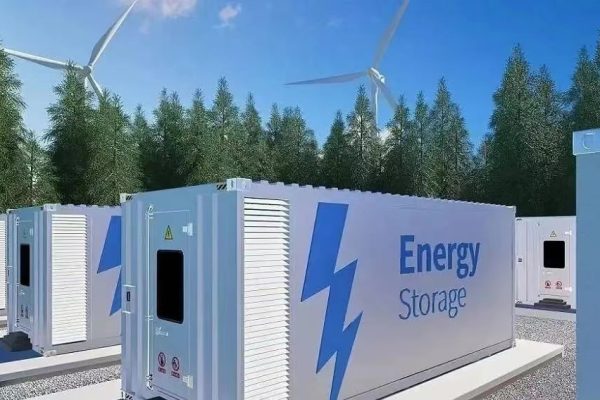
4.4 Renewable Integration
- PV or on-site generation charges the ESS
- Reduces grid dependency and lowers energy costs
- Enhances sustainability and carbon footprint reduction
5. EMS-Enabled Optimization
A centralized Energy Management System (EMS) enhances load shifting:
- Predicts peak load periods using historical data
- Optimizes ESS charge/discharge schedules
- Coordinates renewable sources, grid, and backup generators
- Provides real-time monitoring and fault detection
Technical Highlight: Predictive algorithms allow battery dispatch milliseconds before load peaks, improving peak shaving effectiveness and battery lifecycle.
6. Real-World Case Study
Project Overview
- Location: Southeast Asian manufacturing facility
- System: 500 kW peak load, 1 MWh modular LiFePO₄ ESS
- Objective: Reduce peak demand charges and smooth load profile
Implementation Highlights
- 20 × 50 kWh modular ESS units installed near main load centers
- EMS schedules battery discharge during peak hours (11:00–16:00)
- PV generation during day charges ESS to reduce grid draw
- Hot-swap modules enable maintenance without production interruptions
Results
- Peak demand reduced by 22%
- Monthly energy cost savings: $8,000–$12,000
- ESS cycling optimized for long battery life (>4000 cycles)
- Renewable utilization increased by 28%
Key Lesson: Modular ESS combined with predictive EMS and real-time monitoring provides scalable, reliable, and cost-effective load shifting in industrial environments.
7. Best Practices for Industrial Load Shifting
| Aspect | Recommendation |
|---|---|
| Modular ESS | Scalable, hot-swap capable, redundant |
| EMS | Predictive scheduling, load prioritization, PV coordination |
| Sizing | Match ESS capacity to peak load reduction requirements |
| Maintenance | Modular design reduces downtime, remote monitoring essential |
| Thermal Management | Proper ventilation for indoor/outdoor ESS cabinets |
| Integration | Ensure compatibility with legacy equipment and backup generators |
8. Future Trends
- AI-driven load prediction for dynamic peak shaving
- Hybrid microgrids combining PV, ESS, and diesel for industrial campuses
- Vehicle-to-Grid (V2G) integration for factories with EV fleets
- Digital twin modeling for predictive maintenance and load optimization
Modular energy storage systems provide a practical and scalable approach to industrial load shifting. By integrating ESS with an advanced EMS, facilities can:
- Reduce peak demand charges
- Improve energy efficiency
- Enhance renewable utilization
- Maintain operational reliability
The combination of modular design, predictive EMS control, and strategic load management forms a replicable blueprint for industrial energy optimization projects worldwide.